A well-designed room can change the way people feel, work and live. Think about a small apartment that feels open and comfortable, a café where people enjoy spending time, or an office where everything has its place. Behind these spaces is thoughtful planning, an understanding of materials and colours, and the ability to turn ideas into practical designs.Interior Design Course in Noida
Choosing the right Interior Design Course in Noida is an important first step. A good course should help you understand design principles, develop technical skills, work on practical assignments and build a portfolio that demonstrates what you can do. This guide explains what to look for in an interior designing course in Noida, which skills you may learn, how to compare fees and course duration, and what career opportunities could follow.

☝ Click any topic below to jump directly to that section.
PInterior design is the process of planning and improving indoor spaces so they are functional, comfortable, safe and visually appealing. It combines creativity with practical knowledge of how people use rooms and move through them.
An interior designer considers much more than furniture and decoration. They may work on the layout of a room, lighting, storage, colour schemes, materials, finishes, furniture placement and the overall experience of a space.
Interior designers learn to balance these requirements while respecting the client's needs, available space and budget.
An Interior Design Course in Noida can introduce students to the principles and techniques needed to approach these challenges professionally. The exact subjects covered will depend on the institute and the selected programme.
The terms are often used interchangeably, but they are not exactly the same.
Interior design generally involves space planning, functionality, material selection, lighting, design development and coordination with other professionals. Interior decoration focuses more specifically on the visual finishing of a space, including accessories, colours, furnishings and decorative elements.
Both fields require a strong eye for detail. However, students who want to work on complete interior projects should look for training that covers technical planning as well as aesthetics.
Noida is part of the wider Delhi NCR market, where residential communities, commercial offices, retail outlets, restaurants and other businesses create varied interior design requirements. For students, studying locally can make it easier to attend classes, explore design showrooms, observe different types of spaces and investigate internship or work opportunities. Here are a few reasons students consider an interior design institute in Noida.
Delhi NCR includes residential and commercial markets across Noida, Greater Noida, Delhi, Ghaziabad and Gurugram. Depending on their skills and experience, graduates may explore opportunities with design studios, contractors, furniture businesses, architecture practices or independent clients. A course cannot guarantee employment, but relevant training and a strong portfolio can help students prepare for the job market.
The curriculum varies by institute and course duration. Before enrolling, review the actual syllabus rather than relying only on a course title. A comprehensive professional programme may cover the following areas.
A design must work within the client's budget and practical constraints. Students can benefit from understanding basic cost estimation, material quantities, vendor coordination, project schedules and communication with contractors. These subjects help connect creative ideas with the realities of completing a project.
Searching for the best interior design institute in Noida will produce many options. Instead of relying only on advertisements or rankings, compare institutes using practical criteria.
Ask for the full fee structure, including registration, tuition, materials, software requirements, examination charges and any other applicable expenses. A suitable institute should be one that matches your learning needs, practical expectations and budget.
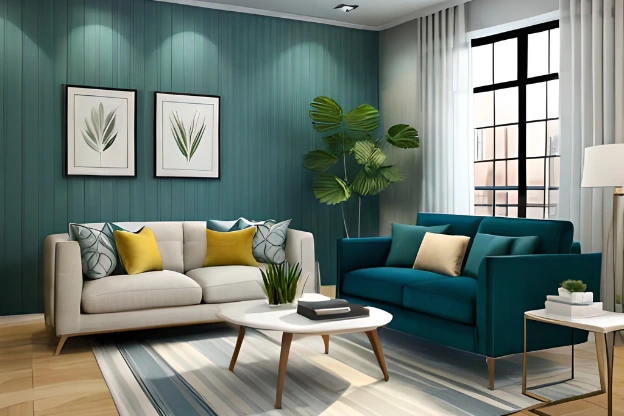
There is no single fee applicable to every institute. The cost can vary depending on the course duration, qualification, curriculum, software training, facilities and practical components.A short certificate course may have a different fee structure from a multi-year diploma or a formal degree programme.
For accurate Interior Design Course Fees in Noida, request the latest written fee structure directly from the institute. Avoid making a decision based only on the lowest advertised price. A course should be assessed by its content, learning support and suitability for your career goals as well as its cos
Imagine two students applying for an entry-level interior design role. Both have completed their courses, but one can show only a certificate, while the other can present measured layouts, material selections, concept boards and a well-organised project portfolio.
Each project should explain the brief, the intended users, the design decisions and the final proposal. A portfolio does not need to contain dozens of projects. A few carefully developed examples can be more useful than many unfinished ideas. When researching an interior design course with practical training, ask how projects are assessed and whether students receive guidance on presenting their work professionally.
Interior design can be an option for students who have completed Class 12 and want to enter a creative field.
The right route depends on the qualification you want and the type of work you hope to do.
Some students choose a diploma or certificate to develop practical skills. Others prefer a formal undergraduate degree for a longer academic pathway.
Do not let this concern stop you from exploring the subject. Drawing and visual communication are skills that can improve with practice.
You can begin by measuring a room, sketching furniture layouts, observing how natural light enters a space and studying how designers combine materials.
Digital tools can support the design process, but they do not replace the ability to understand space, solve practical problems and explain design decisions.
The most important starting point is a genuine interest in learning how spaces work.
Interior design offers several possible career paths. The opportunities available to an individual depend on their training, portfolio, experience, communication skills and the requirements of employers or clients.
With sufficient experience, professional networks and business planning, some designers establish their own studios or interior design services. For people searching for Interior Designing Jobs in Noida, it is sensible to review current job descriptions to identify the software, portfolio standards and experience employers expect.
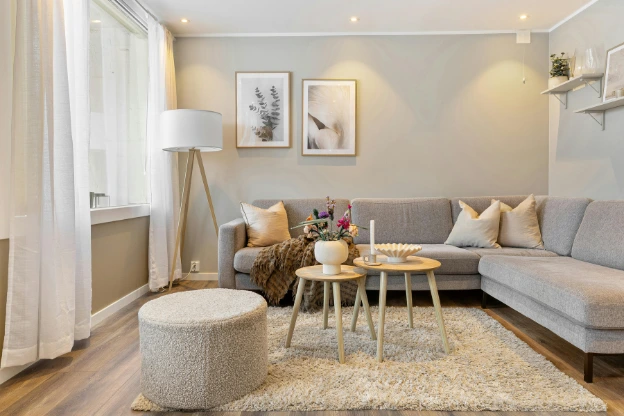
Join the Career Opportunities After a Interior DesigSalary is an important consideration when choosing a career, but there is no fixed salary for every interior designer.
When researching interior designer salary for freshers, compare recent job listings for the same city and role. Look at the required skills, responsibilities and experience rather than relying on a single salary figure.
If you are starting from the beginning, you can approach your career preparation step by step.
Materials, software and design preferences change over time. Continuing to learn from projects, feedback and professional practice can help you grow. Becoming an interior designer is not simply about completing a course. It involves developing the judgement and practical skills needed to turn design ideas into usable spaces.
Turn your passion for creativity, aesthetics, and space planning into a professional career with Interior Design training in Noida. Learn space planning, color theory, furniture design, lighting design, material selection, 2D & 3D visualization, and modern interior styling through practical projects. Develop industry-ready skills for career opportunities in interior design studios, architecture firms, residential and commercial projects, furniture design, and interior styling industries.
Book Now →You do not need to master every skill before enrolling, but you should be ready to develop the following abilities.
These skills can be developed through study and regular practice. A strong learning attitude is often more useful than trying to make every early project perfect.
Ravi Sarin Film Institute (RSFI) is a creative institute in Noida that offers programmes across areas including interior design, filmmaking, acting, photography, fashion design and other creative disciplines. Students researching an Interior Design Institute in Noida can explore RSFI's interior design programmes to understand the available study pathways and determine whether the curriculum fits their goals.
These questions help students make a more informed choice rather than relying on the course title alone. To explore RSFI's available programmes, visit the RSFI Programs page. For details about the listed three-year programme, see the RSFI 3-Year Diploma in Interior Design
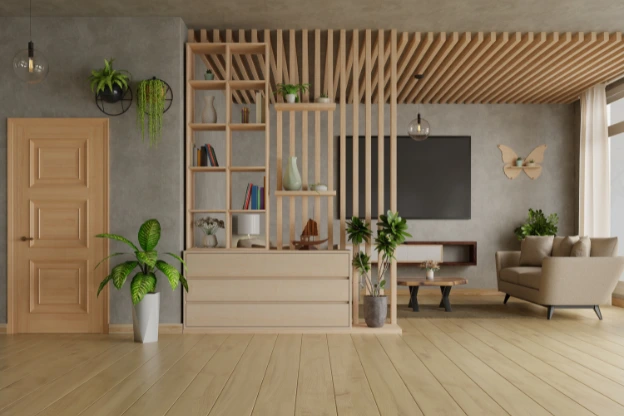
If you are planning to join an interior design programme in 2027, start by identifying the course that matches your current qualification and long-term goals. Before submitting an application, check the latest admission information directly with the institute. Batch dates, eligibility conditions, course fees and programme details may change.
Students comparing an interior design course in Delhi NCR should also consider travel time, class schedules and the facilities available at the campus. For admission enquiries, visit the RSFI Admission Information page or contact the institute through its official Contact Us page.
Interior design trends continue to evolve as people look for spaces that combine beauty, comfort and functionality. Modern interiors are no longer just about expensive furniture or decorative walls. They focus on how people use a space, how natural light enters a room, and how colours, materials and furniture work together.
Learning about trends is useful, but interior designers should not follow every trend blindly. A good design reflects the client's lifestyle, available space, budget and practical requirements.
Interior design offers opportunities across several types of projects. Two important areas are residential interior design and commercial interior design. Although both require creativity and technical understanding, their objectives and working requirements can be quite different.
Exploring these specialisations can help students identify the kind of projects they would like to work on after completing their training.
Develop professional skills with industry-focused Interior Design training in Noida. Learn space planning, color theory, furniture design, lighting design, material selection, 2D & 3D visualization, and modern interior styling through practical projects. Prepare for career opportunities as an interior designer, space planner, furniture designer, interior stylist, or 3D visualizer in interior design studios, architecture firms, real estate companies, and residential and commercial design projects.
Book Now →Technology plays an important role in modern interior design. Designers use digital tools to prepare technical drawings, develop three-dimensional models and communicate ideas to clients before work begins on-site.
Learning software alone does not make someone a skilled interior designer. Students also need to understand measurements, proportion, space planning, material properties and practical design requirements.When comparing an Interior Design Institute in Noida, ask which software is included, how much practical practice is provided and whether students complete projects using the tools they learn.
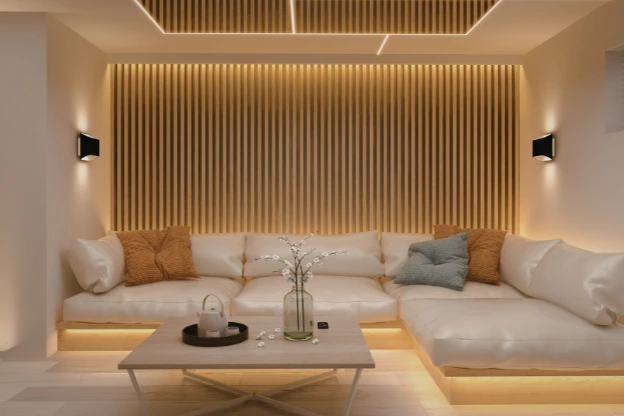
Sustainable interior design focuses on making responsible choices about materials, lighting, energy use and the long-term performance of indoor spaces. It encourages designers to consider not only how a room looks when completed, but also how it will be used and maintained over time.
Sustainable interior design does not necessarily mean spending more money. The right decisions depend on the project, available materials, maintenance requirements and the client's budget. For aspiring designers, learning these principles can improve their ability to explain material choices and develop practical design solutions.
For someone starting a career after an Interior Design Diploma Course in Noida, a well-organised portfolio can provide evidence of practical learning, even when professional work experience is limited. A portfolio is an important way for aspiring interior designers to demonstrate their abilities. It allows employers, clients and design studios to understand how a student approaches a design brief, develops ideas and presents a proposed space.
You can start with practice projects such as redesigning a small bedroom, planning a compact apartment or developing a concept for a café. Use realistic dimensions and explain the practical problems your design is intended to solve.
| Skill | What You'll Learn |
|---|---|
| Introduction to Interior Design | Understand the fundamentals of interior design, design principles, aesthetics, space utilization, and the role of interior designers in creating functional, comfortable, and visually appealing spaces. |
| Fundamentals of Interior Design | Learn design elements and principles, balance, proportion, rhythm, harmony, contrast, scale, and composition to create well-designed residential and commercial interiors. |
| Space Planning & Layout Design | Explore space planning, furniture placement, circulation, room layouts, functional zoning, and efficient space utilization for apartments, homes, offices, and commercial environments. |
| Color Theory & Interior Styling | Learn color psychology, color combinations, textures, patterns, material coordination, and styling techniques to create attractive and harmonious interior spaces. |
| Furniture Design & Selection | Understand furniture styles, ergonomics, dimensions, materials, furniture layouts, custom furniture concepts, and selection techniques for different interior design projects. |
| Lighting Design & Techniques | Explore natural and artificial lighting, ambient lighting, task lighting, accent lighting, fixture selection, lighting layouts, and techniques for enhancing the atmosphere of interior spaces. |
| Materials, Finishes & Textures | Learn about flooring, wall finishes, laminates, wood, glass, stone, fabrics, tiles, and other interior materials, including their applications, durability, maintenance, and aesthetic qualities. |
| Technical Drawing & Interior Drafting | Understand floor plans, elevations, sections, furniture layouts, dimensions, annotations, and technical drawing standards used to communicate interior design concepts accurately. |
| AutoCAD for Interior Design | Learn the fundamentals of AutoCAD, including 2D drafting, floor plans, furniture layouts, elevations, dimensions, and working drawings for professional interior design projects. |
| 3D Visualization & Interior Rendering | Explore 3D modeling, interior visualization, camera positioning, materials, lighting, and rendering techniques to present realistic interior design concepts before execution. |
| Residential Interior Design | Learn to design living rooms, bedrooms, kitchens, bathrooms, dining areas, and complete homes with a focus on functionality, comfort, aesthetics, and the lifestyle needs of clients. |
| Commercial Interior Design | Understand the design requirements of offices, retail stores, showrooms, restaurants, cafes, studios, and other commercial spaces, including branding, functionality, and customer experience. |
| Kitchen & Bathroom Design | Explore kitchen layouts, work triangles, storage solutions, modular kitchen concepts, bathroom planning, sanitary fittings, material selection, and efficient use of available space. |
| False Ceiling & Wall Design | Learn about false ceiling concepts, gypsum and POP designs, decorative wall treatments, wall panels, feature walls, partitions, and design techniques for enhancing interior spaces. |
| Interior Design Software & Digital Tools | Develop an understanding of digital design tools used for drafting, 3D modeling, visualization, presentations, and interior design documentation for professional projects. |
| Interior Design Budgeting & Cost Estimation | Learn how to prepare project budgets, estimate material quantities, calculate costs, compare quotations, select suitable finishes, and manage interior design expenses according to client requirements. |
| Building Materials & Construction Fundamentals | Understand basic construction methods, building components, interior finishing techniques, measurements, site requirements, and coordination with contractors and other professionals. |
| Vastu Principles & Interior Space Planning | Explore commonly used Vastu principles in interior layouts, room orientation, furniture placement, and spatial organization while considering functionality, personal preferences, and design requirements. |
| Practical Interior Design Projects | Gain hands-on experience through residential and commercial design assignments, space planning exercises, material boards, furniture layouts, technical drawings, and 3D visualization projects. |
| Interior Design Portfolio & Case Studies | Develop a professional portfolio featuring design concepts, mood boards, floor plans, material selections, furniture layouts, 3D renders, and completed academic projects to showcase design skills. |
| Professional Career Preparation in Interior Design | Develop industry-relevant skills for career opportunities as an Interior Designer, Residential Designer, Commercial Interior Designer, Space Planner, Furniture Designer, Interior Stylist, CAD Designer, or 3D Visualizer. |
Interior design involves more than choosing furniture and colours. Designers must also consider how their ideas fit within a client's budget and the practical requirements of completing a project.
Imagine designing a living room with a limited budget. Expensive flooring, custom furniture and decorative lighting may look attractive, but the complete proposal may not be practical for the client. A designer needs to understand priorities and explore suitable alternatives without losing the main idea behind the design.Students comparing a Professional Interior Design Course in Noida should therefore ask whether the curriculum covers material knowledge, project documentation, estimation and other practical aspects of interior design.
Designing a small home requires careful planning, creativity and a good understanding of available space. In apartments where every square foot matters, the right furniture arrangement, lighting and storage solutions can make a room feel more comfortable and organised.
A successful small-home design is not about filling every corner with furniture. It is about understanding the needs of the occupants and deciding what the space genuinely requires. Students pursuing an Interior Design Course in Noida can practise these principles by creating layouts for compact bedrooms, studio apartments and small living rooms.

The kitchen is one of the most frequently used spaces in a home. A well-planned kitchen should provide sufficient storage, convenient movement, suitable lighting and easy access to everyday essentials. Kitchen interior design combines visual appeal with practical planning. Designers must consider the available area, appliance placement, work surfaces, storage requirements and the habits of the people using the kitchen.
A beautiful kitchen can become inconvenient if storage is poorly planned or movement between work areas is difficult. This is why designers need to understand the relationship between dimensions, functionality and aesthetics.Learning kitchen planning can also help students develop skills that are relevant to residential interior projects and client consultations.
A bedroom should provide comfort, privacy and practical functionality. Its design depends on the room's size, the occupant's lifestyle, storage requirements and personal preferences. Some people prefer simple, uncluttered bedrooms, while others enjoy decorative wall panels, layered lighting or distinctive furniture. An interior designer's role is to create a balanced solution that suits the person using the space.
A well-designed bedroom should look attractive while remaining easy to use every day. For students exploring Interior Design Classes in Noida, bedroom design can be a useful practice project because it involves furniture layout, colour theory, lighting, storage and material selection in one space.
Office interior design influences how people move, communicate and work within a professional environment. A good office layout considers the needs of employees, visitors and different work activities while maintaining a suitable visual identity.The requirements of a small office may differ from those of a large corporate workspace. Designers must understand the available space, work patterns, privacy requirements and practical constraints before developing a layout.
Office interior design requires designers to balance appearance with practical working conditions. A visually impressive space may still be unsuccessful if employees lack sufficient workspace or convenient access to essential facilities.Understanding office layouts can help interior design students explore opportunities in commercial design, workplace planning and corporate interiors.
Vastu Shastra is a traditional Indian system of architectural and spatial guidance. Some homeowners and clients consider Vastu-related preferences when planning the arrangement of rooms, furniture and other interior elements.
Interior designers should communicate respectfully with clients and distinguish traditional beliefs from established building, safety and environmental requirements. Learning about cultural preferences can help students understand why successful interior design requires listening carefully to clients rather than applying the same solution to every project.
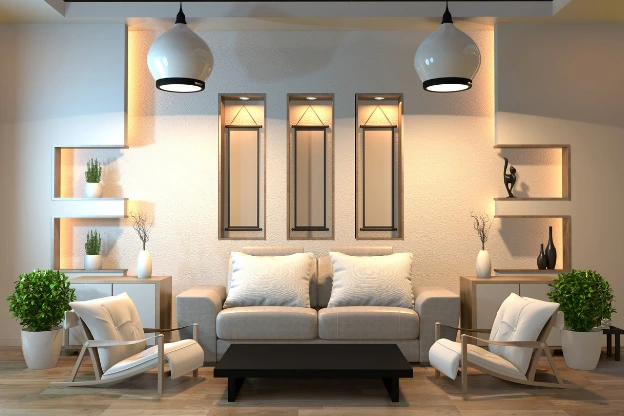
Some interior design students eventually want to work independently rather than pursue a permanent position with a company. Starting an interior design business can provide opportunities to work directly with homeowners and commercial clients, but it also requires planning, communication and business management.
Starting a business does not mean taking on every type of project immediately. New designers can build experience gradually and seek qualified professional support for technical matters outside their expertise. For students interested in independent work, business planning is an important complement to the creative and technical skills developed through an interior design programme.
Walls play an important role in the overall appearance of an interior. The right wall treatment can create a focal point, add texture and connect different elements of a room. Interior designers need to understand how wall colours, materials, lighting and furniture work together to create a balanced look.
Wall design is not simply about decoration. The chosen finish should suit the room's purpose, maintenance requirements and budget. For students pursuing an Interior Design Course in Noida, understanding wall treatments can help develop stronger material-selection and colour-coordination skills.
Rental homes often come with restrictions on permanent changes. Tenants may not be allowed to alter walls, replace fixtures or make structural modifications. Interior designers therefore need to find practical ways to improve a space while respecting the property owner's conditions.
The key is to prioritise reversible changes and avoid modifications that violate rental agreements. Designers should also consider the tenant's budget and the likelihood of moving in the future. This type of project helps students understand how to create attractive interiors when space, money and permanent alterations are limited.
Lighting can change how a room looks and feels. It influences colour perception, visibility, comfort and the way different materials appear. A well-designed lighting plan considers the activities taking place in each area rather than relying on a single light source.
Lighting decisions should also account for electrical safety and the requirements of the particular project. Where necessary, qualified electrical professionals should handle technical installation.For aspiring interior designers, lighting practice develops the ability to combine aesthetics with everyday functionality.
Material selection is an important part of interior design because materials influence appearance, durability, maintenance and project cost. A finish that works well in a bedroom may not be appropriate for a kitchen or a high-traffic commercial environment.
For example, kitchen materials may need to withstand frequent cleaning and moisture, while bedroom fabrics may be selected primarily for comfort, appearance and maintenance. Students pursuing an Interior Designing Course in Noida can practise material selection by creating sample boards for different rooms and explaining why each material is appropriate.
Interior design brings together creativity, technical understanding and the ability to solve everyday problems through better spaces. Whether you want to design homes, offices, cafés or retail interiors, your progress will depend on what you learn and how consistently you apply it. Choosing the right Interior Design Course in Noida means looking beyond advertisements. Review the syllabus, understand the practical training, compare the total cost and ask how the programme can help you develop a portfolio. If you are exploring an interior designing course in Noida or Delhi NCR, take the time to compare your options and speak with the institute before making a decision. Ravi Sarin Film Institute offers interior design diploma pathways for prospective students to explore. Visit the official RSFI website to review the available programmes and request current admission details.
Join RSFI's industry-focused Interior Design Course and explore Space Planning, Residential & Commercial Interior Design, Color Theory, Furniture Design, Lighting Design, Materials & Finishes, AutoCAD, 3D Visualization, Kitchen & Bathroom Design, False Ceiling & Wall Design, Interior Design Budgeting, Technical Drawing, and professional portfolio development.
Explore Interior Design CourseTalk to the RSFI admissions team to learn about course options and admission details.
Apply Now🎭 Acting & Presentation
🎬 Filmmaking
📸 Cinematography
🎞 Animation & VFX
🎭 Advertising, PR & Events
🎵 Music Production
📷 Still Photography
🏠 Interior Design
👗 Fashion Design
View All Courses🎭 Short-Term Certificate Programs
🎬 Diploma Programs
💻 Online Programs
🎞 3-Year Diploma Programs
Explore ProgramsDiscover other creative and media-focused learning options at RSFI, including filmmaking, acting, cinematography, photography, animation and visual effects.
Browse ProgramsHave questions about eligibility, course duration or admissions? Connect with our team for guidance.
Enquire Now