Have you ever watched a film, web series, or television show and imagined yourself playing the lead character? Do you enjoy performing in front of people, expressing emotions, or bringing different characters to life? If acting is something you genuinely want to pursue, 2027 can be the year you begin turning that interest into a professional skill.Becoming an actor in India is an exciting journey
For aspiring performers, understanding how the industry works is an important first step. You need to learn acting techniques, develop confidence, understand auditions, prepare a portfolio, and build the ability to perform naturally in front of a camera. Students living in Noida, Delhi, and other parts of Delhi NCR have several ways to begin their acting journey. They can participate in theatre, attend acting workshops, explore professional training, practise self-tapes, and gradually prepare for casting opportunities.

☝ Click any topic below to jump directly to that section.
Acting is more than memorising dialogue and performing in front of a camera. It is the art of understanding a character, interpreting a situation, expressing emotions, and making an audience believe in the story being presented.
An actor may need to portray happiness in one scene, anger in another, and deep sadness in the next. The challenge is not simply showing these emotions but communicating them in a way that feels natural and appropriate for the character.
India has a diverse entertainment industry that includes Hindi cinema, regional-language films, television, theatre, advertising, independent filmmaking, and digital entertainment. Each area offers different kinds of opportunities and requires its own combination of skills.
For example, an actor working in theatre must project their voice and maintain a performance in front of a live audience. A film actor may need to communicate an emotion through a small facial expression. An actor performing in a commercial may have only a few seconds to communicate a message clearly.
For students searching for an Acting Course in Noida or an Acting Institute in Delhi NCR, the first goal should be to find a learning environment where they can practise regularly, receive feedback, and gradually build confidence.
There is no single route that every successful actor follows. Some performers study at recognised drama schools, some begin in theatre, and others develop their skills through workshops, independent projects, and auditions.If you want to become an actor in India in 2027, focus on building your skills and gaining practical experience rather than waiting for the perfect opportunity.
Read the casting requirements carefully. Apply only when your age range, language ability, experience, and other relevant details reasonably match the role. Auditioning is a skill that improves through practice. Rejection is common, and it does not necessarily mean you lack talent.
There is no universal academic degree that every working actor in India must possess. Some actors enter the industry through theatre, independent projects, workshops, and auditions, while others pursue formal qualifications in acting or performing arts.
There is no single age at which every person must begin acting. Some performers start during childhood, while others discover acting in their twenties, thirties, or later. Rather than assuming that you are too old or too young, identify suitable training options and roles based on your circumstances. For formal courses, always check age restrictions and other eligibility requirements before applying.
An acting course is not compulsory for everyone, but professional training can help you build a strong foundation.Some people begin acting through theatre or independent productions and develop their skills through practical experience. Others prefer a structured programme that introduces them to acting techniques, camera performance, voice training, and audition preparation.
However, completing an acting course does not guarantee a role in a film, television show, or web series. Training helps develop your abilities, while professional opportunities depend on many additional factors.

Students searching online for the Best Acting Course in Noida often find several programmes with different fees, durations, and teaching approaches. Choosing the right one requires more than comparing advertisements.
Not every programme includes all these subjects, so ask for a detailed curriculum before enrolling.Reading about acting is useful, but performing is essential. Look for opportunities to practise monologues, rehearse scenes, perform with other students, and receive individual feedback.
Natural acting is built on several connected skills. Developing these abilities can help you prepare for auditions and perform more convincingly.
Screen actors must understand the camera's position and the requirements of the shot. A wide shot may capture body movement, while a close-up may require more restrained expression. Continuity is also important. Your position, gestures, and handling of objects should remain consistent across different takes unless the director instructs otherwise. These techniques become easier through repeated practical exercises.
Acting is not limited to Bollywood films. The Indian entertainment industry includes several performance formats, each with its own requirements.
However, every project should be evaluated carefully. Check the production details, payment terms, intended use of footage, and the credibility of the people involved. Different career paths can complement one another. An actor may work in theatre while auditioning for films or take commercial assignments while developing a screen-acting portfolio.
An audition is an opportunity for a casting team to assess your suitability for a particular role. It is not simply a test of whether you can act. Casting professionals may also consider your appearance in relation to the character, language, age range, performance style, availability, and ability to follow direction.
You may not receive a response after every audition. Keep a record of the roles you apply for and note which scenes you found difficult. If you receive constructive feedback, use it to improve your preparation. An audition that does not lead to a role can still teach you something useful about the process.
Your acting portfolio is a practical introduction to your current abilities. It does not need to be expensive or elaborate when you are starting out. The most important thing is that it accurately represents you.
As you gain experience, replace weaker material with stronger performances. Include relevant training, theatre productions, short films, and other work when appropriate. Present your experience honestly. Never claim a role, qualification, or professional credit you have not earned.

Join the acting Opportunities from different sourcesThese may include casting professionals, production companies, theatre groups, independent filmmakers, advertising agencies, and legitimate casting platforms.
Fake casting calls can target people who are eager to enter the entertainment industry. Be especially careful when someone requests an audition fee, demands a deposit to secure a role, guarantees a leading part, or pressures you to make an immediate payment.
For many aspiring performers, becoming a Bollywood actor is the ultimate goal. However, Hindi cinema is only one part of the entertainment industry, and entering it generally requires persistence, professional preparation, and the ability to compete for suitable roles.
Some performers secure opportunities relatively early, while others spend years developing their craft. Instead of measuring progress only by major film roles, track improvements in your technique, audition preparation, experience, and professional relationships.
Turn your passion for acting, storytelling, and performing into a professional career with the Acting Course in Noida. Learn acting techniques, dialogue delivery, facial expressions, body language, voice modulation, improvisation, character development, and camera-facing skills through practical exercises and performance-based training. Build confidence, improve your screen presence, and develop industry-ready skills for career opportunities in films, television, web series, theatre, advertisements, and digital media as an actor, theatre performer, or screen artist.
Book Now →OTT platforms have become an important part of India's entertainment landscape, providing audiences with films, series, documentaries, and other digital productions. For aspiring actors, web series can represent another area to explore alongside films, television, theatre, and advertising.
Read the role description and submit your portfolio according to the specified process. Never assume that an OTT role is guaranteed because someone claims to have an industry connection.
Acting courses are available in different formats, allowing students to choose according to their goals and availability. Before selecting a programme, understand the difference between a short workshop and a longer professional course.
These may provide structured academic study, extensive practical training, theatre productions, or specialised screen-acting work. Eligibility and selection requirements vary, so review the institution's official admission information. The right duration depends on your goals, current abilities, budget, and the quality of training available. A longer course is not automatically better for every student, just as a short course is not automatically sufficient for every career goal.
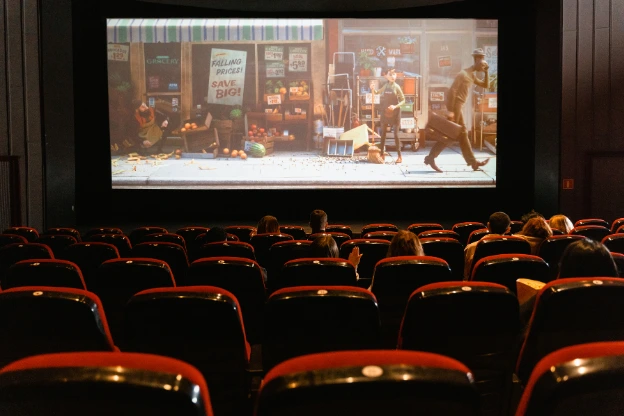
Completing an acting course can help you prepare for different types of performance work. Your actual opportunities will depend on your abilities, portfolio, experience, availability, and the requirements of individual productions.
Some performers create their own short films, character videos, or scripted digital content. This approach can help you practise regularly and build a body of work. However, creating content should complement your acting development rather than replace all forms of professional training and feedback.
However, it is important to understand that building a career may take time. Professional relationships can help people learn about opportunities, but genuine skill, preparation, reliability, and suitable casting also matter.
Be cautious of anyone who claims that a guaranteed payment will secure a film role or introduce you directly to a major production. Training fees and legitimate production expenses should be clearly explained and documented. A course can help develop skills, but it cannot guarantee that a casting team will select you.
Many beginners focus heavily on getting an opportunity before building the skills needed to make the most of it.
Acting work may be irregular, particularly at the beginning of your career. Consider your living expenses, transport costs, training fees, and other financial responsibilities before making major decisions. If possible, maintain a source of income while developing your acting career.
Develop professional performance skills with industry-focused Acting training in Noida. Learn acting techniques, dialogue delivery, facial expressions, body language, voice modulation, improvisation, character development, and camera-facing techniques through practical exercises and performance-based training. Prepare for career opportunities as an actor, theatre artist, film actor, television performer, or web series actor in films, television, OTT platforms, theatre productions, advertisements, and the entertainment industry.
Book Now →The cost of pursuing an acting career in India varies based on your chosen path, training, and living arrangements.
There is no single standard amount that applies to every aspiring actor. Some people begin with low-cost theatre activities and self-practice, while others enrol in structured courses that require a larger investment.

Another common question is how much an actor earns in India. The answer varies widely because acting is project-based work for many performers. Income depends on the production budget, role, experience, location, working days, contract terms, and the demand for the performer.
Consider developing complementary skills such as voice-over performance, presenting, teaching, or other creative work where appropriate. Maintain records of income and expenses, and avoid taking on major financial commitments based on an unconfirmed acting opportunity. The most useful early goal is to develop the ability to perform professionally while building a realistic understanding of the industry's financial uncertainty.
If you are serious about becoming an actor in India in 2027, a structured plan can help you move from interest to practical preparation. The following plan is a starting point. Adjust it according to your schedule, experience, and access to training.
Prepare self-tapes according to the instructions provided. Keep a record of submissions and continue practising while you wait for responses. At the end of six months, review your progress honestly. You may not have secured a major role, but you should aim to have developed stronger acting skills, better camera awareness, and a clearer understanding of the next steps in your career.
| Skill | What You'll Learn |
|---|---|
| Introduction to Acting | Understand the fundamentals of acting, the history of performance, different acting styles, and the role of actors in films, television, theatre, web series, and digital media. |
| Fundamentals of Acting | Learn the basic principles of acting, emotional expression, character interpretation, observation, imagination, and performance techniques to build a strong foundation for an acting career. |
| Voice Modulation & Speech Training | Develop voice control, pronunciation, diction, pitch, tone, projection, breathing techniques, and speech clarity to deliver dialogues confidently and effectively. |
| Body Language & Physical Expression | Learn body movements, gestures, posture, facial expressions, eye contact, and physical communication techniques to portray characters naturally and convincingly. |
| Facial Expressions & Emotional Acting | Explore emotional expression, facial movements, reaction techniques, emotional awareness, and the ability to communicate different feelings authentically during performances. |
| Dialogue Delivery & Script Reading | Learn script interpretation, dialogue delivery, voice emphasis, pauses, timing, pronunciation, and expression to perform dialogues naturally across different acting situations. |
| Improvisation & Spontaneous Acting | Develop creativity, spontaneity, listening skills, quick reactions, and confidence through improvisation exercises, role-playing activities, and unscripted performance challenges. |
| Character Development & Role Preparation | Learn character analysis, background research, personality development, emotional motivation, behavioral observation, and role preparation to create believable and memorable characters. |
| Camera Acting & Screen Presence | Understand camera angles, framing, eye lines, continuity, screen presence, subtle expressions, and performance techniques required for acting in films, television, and web series. |
| Audition Techniques & Self-Tape Preparation | Learn audition preparation, monologue selection, script analysis, self-tape recording, camera positioning, lighting basics, and presentation skills to prepare for acting auditions. |
| Film Acting Techniques | Explore on-camera performance, scene interpretation, emotional realism, reaction shots, dialogue scenes, and continuity to develop the skills required for film acting. |
| Theatre Acting & Stage Performance | Learn stage presence, voice projection, movement, blocking, audience engagement, stage discipline, and performance techniques for theatre productions and live performances. |
| Monologue Performance & Scene Study | Practice monologues, dramatic scenes, character objectives, emotional transitions, dialogue interpretation, and performance analysis to improve acting depth and confidence. |
| Movement, Dance & Physical Coordination | Develop body awareness, coordination, rhythm, flexibility, movement control, and physical expression to enhance stage presence and prepare for roles requiring physical performance. |
| Acting for Television, OTT & Web Series | Understand the performance styles, scene requirements, character development, continuity, and camera techniques used in television serials, OTT productions, and web series. |
| Scene Analysis & Script Interpretation | Learn to analyze scripts, understand character relationships, identify scene objectives, interpret subtext, and prepare emotionally convincing performances based on the story. |
| On-Set Etiquette & Professional Acting Practices | Understand audition protocols, rehearsal procedures, shooting schedules, continuity requirements, professional conduct, teamwork, and the responsibilities of actors on a production set. |
| Acting for Advertisements & Commercials | Learn the fundamentals of commercial acting, product presentation, expressions, short-form performances, brand communication, and camera techniques used in advertisements and promotional videos. |
| Practical Acting Exercises & Performance Projects | Gain hands-on experience through acting exercises, improvisation, dialogue practice, monologues, scene performances, character assignments, and recorded acting projects. |
| Showreel Development & Acting Portfolio | Develop a professional acting portfolio featuring photographs, monologues, scene performances, audition clips, and showreel footage to demonstrate acting abilities to casting professionals. |
| Professional Career Preparation in Acting | Develop industry-relevant skills for career opportunities as a Film Actor, Television Actor, Theatre Artist, Web Series Actor, Commercial Actor, Voice Artist, or Performer in the entertainment industry. |
For students living in Noida, Ghaziabad, Greater Noida, and nearby areas of Delhi NCR, local acting training can offer a convenient starting point. Choosing a nearby institute may reduce travel time and make it easier to attend regular classes while continuing your education or employment.
If you are exploring professional acting training in Noida, you can learn more about the programmes and learning opportunities offered by Ravi Sarin Film Institute (RSFI). Before choosing any course, review its curriculum, duration, practical training, eligibility requirements, and fees. Speak with the admissions team to understand whether the programme matches your current level and career goals.
Starting an acting career without previous experience may seem challenging, but every professional actor begins somewhere. If you want to become an actor in India in 2027, you can start by developing your performance skills, practising dialogues, and learning how to express emotions naturally. Beginners can explore theatre groups, acting workshops, student films.
Students searching for an Acting Course in Noida can explore training programmes that include practical exercises, scene study, and camera-facing activities. Consistent practice and constructive feedback can help beginners improve their confidence and acting abilities.

Start by selecting a short dialogue or monologue. Read it several times, understand the character's emotions, and practise delivering the lines naturally. Record your performance and review your voice, expressions, posture, and eye movements.
Regular home practice can help you prepare for acting auditions and professional training. However, feedback from experienced instructors or fellow performers can help you identify mistakes that may be difficult to notice on your own.
People interested in an acting career often wonder whether they should begin with theatre, film acting, or a professional acting course. Each option offers different learning experiences, and the right choice depends on your interests and career goals.
Before selecting an Acting Institute in Noida or Delhi NCR, review its curriculum and practical training opportunities. A programme that matches your goals and provides regular feedback can help you build a stronger foundation.
A self-tape audition allows actors to record their performances and submit them to a casting team. It is commonly used when an in-person audition is not required at the initial stage. Before recording, read the audition instructions carefully. Check the dialogue, character description, video orientation, framing, file format, submission deadline, and any additional requirements.
Review your recording before submitting it. Choose a take that communicates the character naturally rather than relying on exaggerated expressions or unnecessary editing. Beginners preparing for acting auditions in Delhi NCR can practise self-tapes regularly to become more comfortable performing in front of a camera.
Feeling nervous before an acting audition is normal, especially when you are new to the entertainment industry. The best way to manage audition anxiety is to prepare properly, practise regularly, and become familiar with the audition process.
If you are learning through an Acting Course in Noida, look for opportunities to perform scenes in front of instructors and fellow students. Practical exercises can help you become more comfortable receiving direction and performing under observation.

Many aspiring actors want to develop their skills while completing their education or continuing their current jobs. With a realistic schedule and consistent practice, you can begin exploring acting without immediately changing your existing responsibilities.
Students and working professionals searching for an Acting Course in Delhi NCR should compare programme timings, attendance requirements, and practical session schedules before making a decision.
An acting portfolio helps casting professionals understand your appearance, personality, and performance potential. If you want to start an acting career in India in 2027, preparing a simple and professional portfolio can be a useful first step.
Keep your portfolio updated as your skills and experience develop. Avoid adding misleading information or claiming professional experience you do not have. For beginners exploring an Acting Course in Noida, portfolio preparation and camera practice can be useful parts of developing audition readiness.
Finding genuine acting auditions is an important step for aspiring actors. Beginners may come across casting calls for films, television serials, advertisements, web series, and short films, but it is essential to evaluate each opportunity carefully.
Be cautious if someone promises a guaranteed film role in exchange for money, pressures you to make an immediate payment, or refuses to provide clear project details. A professional-looking social media profile alone does not prove that an opportunity is genuine.
Acting requires more than memorising dialogues or delivering emotional expressions. Professional actors need a combination of performance skills, discipline, observation, communication, and the ability to understand different characters.
You can begin with daily dialogue practice, monologues, theatre exercises, and short recorded scenes. Watching films analytically can also help you understand how actors build characters and communicate emotions.A structured Acting Institute in Noida may offer opportunities to practise different techniques, receive feedback, and participate in performance-based exercises. Remember that acting ability develops over time. Regular practice, genuine curiosity, and a willingness to learn are more valuable than expecting instant success.
Becoming an actor in India in 2027 is a goal that requires more than enthusiasm. It requires a willingness to learn, regular practice, realistic expectations, and the patience to develop your abilities over time. You do not need to wait until you have professional photographs, expensive equipment, or a personal connection in the film industry before beginning. Start with the fundamentals. Practise your voice, study characters, learn to interpret scripts, and record your performances. Explore theatre or an acting workshop, and consider professional training if you need structured guidance. If you live in Noida or Delhi NCR, look for learning opportunities that fit your schedule and provide meaningful practical experience. Compare acting institutes carefully and choose a programme based on its curriculum, teaching quality, and opportunities to practise. As you gain experience, prepare your portfolio, learn how auditions work, and apply for suitable roles through legitimate channels. Be careful with casting offers that promise guaranteed success in exchange for money.
Join RSFI's industry-focused Acting Course and explore Acting Techniques, Voice Modulation, Dialogue Delivery, Body Language, Facial Expressions, Emotional Acting, Improvisation, Character Development, Script Reading, Camera Acting, Theatre Performance, Monologue Practice, Audition Techniques, Film Acting, Acting for Television and Web Series, Scene Analysis, On-Set Practices, Commercial Acting, and professional showreel development.
Explore Acting CourseTalk to the RSFI admissions team to learn about course options and admission details.
Apply Now🎭 Acting & Presentation
🎬 Filmmaking
📸 Cinematography
🎞 Animation & VFX
🎭 Advertising, PR & Events
🎵 Music Production
📷 Still Photography
🏠 Interior Design
👗 Fashion Design
View All Courses🎭 Short-Term Certificate Programs
🎬 Diploma Programs
💻 Online Programs
🎞 3-Year Diploma Programs
Explore ProgramsDiscover other creative and media-focused learning options at RSFI, including filmmaking, acting, cinematography, photography, animation and visual effects.
Browse ProgramsHave questions about eligibility, course duration or admissions? Connect with our team for guidance.
Enquire Now