Cinematography is one of the most important creative departments in filmmaking. It combines camera techniques, lighting, composition, movement and visual storytelling to communicate emotions and ideas through images. From Bollywood films and independent cinema to web series, advertisements, music videos and digital content, cinematographers help shape the way audiences experience a story.Cinematography Course in Noida
If you are wondering how to become a cinematographer in India in 2027, this guide will help you understand the career path, essential skills, available courses, training options, fees, career opportunities and practical steps you can take to begin your journey.

☝ Click any topic below to jump directly to that section.
Cinematography is the art and technique of capturing moving images to tell a story visually. It involves decisions about camera placement, framing, lighting, lenses, exposure, movement and colour.A cinematographer does much more than operate a camera. They help establish the visual identity of a film, advertisement, music video or other production. A wide shot can make the character appear isolated. A close-up can reveal the character's emotions. Low-key lighting can create mystery, while soft natural light can make the scene feel calm and realistic.
These elements work together to create images that support a film's story. For students interested in a Professional Cinematography Course in India, understanding these fundamentals is an important first step before moving towards advanced camera techniques.
A cinematographer, often called the Director of Photography (DoP), is responsible for the visual execution of a production in collaboration with the director and other members of the filmmaking team. The exact responsibilities depend on the production's scale, budget and working structure.
In smaller productions, one person may handle several responsibilities. Larger productions usually divide these tasks among specialised crew members. Good preparation helps the production team work more efficiently during shooting.The cinematographer may collaborate with the director and colourist to maintain the intended visual style during colour grading. They may also review footage, discuss exposure or colour inconsistencies and help ensure that the finished film reflects the original creative vision.
If you want to become a cinematographer, you do not need to master every camera technique before starting. A structured learning process can help you build your skills step by step.Here is a practical career roadmap.
Look for assistant camera opportunities, internships, student productions and junior production roles that align with your skills. Remember that becoming a cinematographer is a process. Many professionals build experience through smaller projects before moving towards larger productions. The key is to combine learning, practical work, feedback and consistent improvement.
One common question among aspiring students is whether a specific degree is compulsory for a career in cinematography.
There is no single educational route followed by every cinematographer. Depending on the institution and programme, students
may pursue certificate courses, diplomas, degree programmes or specialised professional training.
Yes. Students who have completed Class 12 can explore cinematography courses, subject to the eligibility requirements of the institution they choose.
A student from an arts, commerce or science background can begin learning camera fundamentals and visual storytelling.
The more important considerations are your interest in filmmaking, willingness to practise and ability to learn technical concepts.
It is possible to build a career through practical experience, specialised training and a strong portfolio, although some employers and programmes may require particular qualifications.
If you choose a non-degree route, take your practical development seriously. Learn the fundamentals, work on projects, understand professional workflows and develop a reliable showreel.
Formal education can provide structure and useful connections, while independent projects can help demonstrate your abilities.
Noida and the wider Delhi NCR region can be worth exploring for students interested in film, television, advertising and digital production. The region includes businesses and professionals working across media, production, marketing and content creation. However, opportunities vary by role, experience and employer, so students should research actual openings rather than assume that a particular location guarantees employment.
Students can compare short courses, diplomas and broader filmmaking programmes to identify the format that suits their goals. If you are researching a Cinematography Course in Delhi NCR, compare institutes across Noida and Delhi using the same criteria: course content, practical exposure, faculty, equipment, costs and accessibility. The best choice is not necessarily the closest institute or the one making the biggest promises. It is the programme that helps you build relevant skills.
Searching online for the Best Cinematography Institute in Noida can produce many options. However, choosing the right institute requires more than comparing advertisements.Use the following checklist before making a decision.
Students exploring filmmaking education in Noida can also research Ravi Sarin Film Institute (RSFI) and review its cinematography-related learning options. Before enrolling, contact the institute for the current syllabus, available course formats, fees, duration and details of practical training.
A well-structured cinematography programme should gradually develop your understanding of the camera, lighting and visual storytelling. The precise syllabus depends on the institute and course level, but the following subjects are useful to look for.
Although cinematography and editing are distinct disciplines, cinematographers benefit from understanding how footage is organised, edited and colour-graded. A course may introduce students to colour correction, exposure consistency and the relationship between on-set decisions and post-production. These subjects can provide a foundation for more advanced work.
Imagine learning to swim entirely through books. You might understand the techniques, but you would still need practice in the water. Cinematography works in a similar way. You can learn camera settings from videos and textbooks, but using them in different lighting conditions helps you understand how they work together.
Ask what worked, what did not and what you would change during a second attempt. Consistent review helps turn experience into improvement. When evaluating a Cinematography Training Institute in Noida, ask whether practical work is a regular part of the programme or limited to occasional demonstrations.
One of the most common questions students ask is how long it takes to learn cinematography and how much the training costs. There is no single answer because course duration and fees depend on the institution, curriculum, equipment, teaching hours and qualification offered.
A shorter course may have a lower overall fee, but that does not automatically make it better value. A longer course may offer more extensive training, although the additional cost should be justified by the actual learning experience.
Join the cinematographers Course Fees in NoidaBuilding experience in smaller productions can help aspiring cinematographers develop the skills required for larger assignments.
Freelancers may work with independent filmmakers, agencies, studios, brands and other clients. Freelancing offers flexibility, but it also involves finding projects, negotiating fees, managing schedules and maintaining professional relationships. A strong portfolio and dependable working habits can help support a freelance career.
Salary is another important consideration when planning a career. However, cinematography does not have one fixed salary structure. Earnings vary according to experience, production budget, location, project duration, specialisation and professional reputation.
Rather than choosing a course based on promises of a particular salary, look for training that helps you develop marketable skills.
Turn your passion for cameras, lighting, and visual storytelling into a professional career with the Cinematography Course in Noida. Learn camera operation, shot composition, lighting techniques, camera movements, lens selection, exposure control, color theory, and visual framing through practical projects and hands-on training. Develop your creative vision, master the art of capturing cinematic visuals, and gain industry-ready skills for career opportunities in films, web series, television, advertisements, music videos, and digital media as a cinematographer, camera operator, director of photography (DOP), or camera assistant.
Book Now →A cinematographer needs a combination of technical knowledge and creative judgement.
Camera technology and production methods continue to evolve. Professionals benefit from keeping their knowledge current while maintaining a strong understanding of the fundamentals. These skills are useful whether you study through a diploma, a short-term programme or independent practice.
You do not need to purchase a complete professional camera kit before starting your training. It is more useful to understand the purpose of different equipment and learn how to use available tools effectively.
Learning basic editing and colour correction can help you understand how footage behaves after recording. It can also help you recognise issues that should be addressed during shooting rather than left entirely to post-production. When comparing cinematography institutes, ask which equipment you will actually use and how often you will get hands-on access.
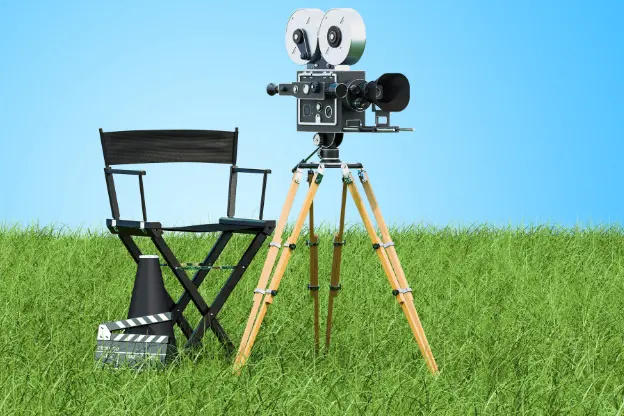
The terms cinematography and filmmaking are closely related, but they do not mean exactly the same thing. Cinematography focuses on the visual capture of a production, including camera work, lighting, composition, exposure and visual continuity.
A Film Making and Cinematography Course can be worth considering if its curriculum provides meaningful instruction in both areas. Review the subjects carefully before deciding. Course names can be similar while the actual content differs considerably.
A portfolio demonstrates what you can do. For aspiring cinematographers, it is often more useful to show a few well-executed projects than a large collection of unrelated footage.
You can organise your projects on a portfolio website or suitable video platform. Include a short introduction, project titles and your responsibilities. Make sure you have permission to share any material created for clients or other productions. A strong portfolio can support applications for assistant roles, internships, freelance projects and other opportunities.
Learning cinematography becomes easier when you understand the mistakes that can slow your progress./p>
Do not enrol simply because an institute describes itself as the best. Check the curriculum, faculty, practical facilities, course duration, total fees and available student work. A careful decision can help you avoid spending time and money on a programme that does not match your goals.
Develop professional cinematography skills with industry-focused training in Noida. Learn camera operation, lighting techniques, shot composition, camera movements, lens selection, exposure control, color theory, visual framing, and cinematic storytelling through practical exercises and hands-on projects. Prepare for career opportunities as a cinematographer, director of photography (DOP), camera operator, camera assistant, or lighting technician across films, television, OTT platforms, web series, music videos, advertisements, and the entertainment industry.
Book Now →Cinematography can be a rewarding career for people who enjoy visual storytelling, technical problem-solving and collaborative creative work. There are several areas to explore, including films, advertisements, web series, music videos, documentaries, corporate videos and digital productions.
Do you want to work on films, advertisements, music videos or independent projects? Are you interested in camera operation, lighting or eventually becoming a Director of Photography? Your answers can help you choose a suitable course and identify the practical skills you need to develop. Research institutes, speak with course representatives, compare syllabuses and ask to see examples of student work.

You can begin learning cinematography without purchasing expensive equipment or immediately enrolling in a long programme. The following exercises can help you develop a foundation.
If you decide to pursue professional learning, research a Best Cinematography Course in Delhi NCR by comparing the actual educational experience rather than relying on advertising language. A practical, structured programme may help you progress more efficiently by combining instruction, assignments and feedback.
If you are searching for a Cinematography Institute in Noida, Ravi Sarin Film Institute (RSFI) is one of the institutions you can explore while researching your options. Before choosing any film institute, it is important to understand how its courses align with your interests and career objectives. Students interested in cinematography should pay particular attention to camera fundamentals, lighting, composition, visual storytelling and practical production experience.
Start with the fundamentals, practise regularly and develop a portfolio that demonstrates your abilities. Whether you are looking for a Cinematography Course in Noida, a Cinematography Diploma Course or broader filmmaking education, choose a learning path that encourages both technical understanding and creative development.For current course information, eligibility and admission details, visit the official RSFI website or contact the institute directly.
| Skill | What You'll Learn |
|---|---|
| Introduction to Cinematography | Understand the fundamentals of cinematography, the history of visual storytelling, different cinematography styles, and the role of a cinematographer in film and video production. |
| Fundamentals of Camera Operation | Learn camera settings, exposure, focus, white balance, frame rates, resolution, shutter speed, aperture, and ISO to capture professional-quality footage. |
| Camera Types, Lenses & Equipment | Explore professional cinema cameras, DSLR and mirrorless cameras, prime and zoom lenses, focal lengths, filters, tripods, and essential cinematography equipment. |
| Exposure Control & Camera Settings | Develop a strong understanding of the exposure triangle, aperture, shutter speed, ISO, exposure compensation, and white balance to achieve consistent visual results. |
| Shot Composition & Visual Framing | Learn the rule of thirds, leading lines, symmetry, depth, perspective, headroom, and visual balance to create visually appealing and meaningful cinematic shots. |
| Lighting Techniques & Set Lighting | Explore natural and artificial lighting, three-point lighting, key and fill lights, backlighting, soft and hard light, and professional lighting setups for different scenes. |
| Camera Angles, Shot Sizes & Movement | Understand wide shots, medium shots, close-ups, high and low angles, tracking shots, pans, tilts, dolly movements, and handheld techniques for effective visual storytelling. |
| Lens Selection & Depth of Field | Learn how focal length, lens characteristics, aperture, and subject distance affect perspective, background separation, depth of field, and the cinematic look of a shot. |
| Colour Theory & Visual Aesthetics | Understand colour psychology, colour combinations, contrast, visual mood, colour palettes, and the use of colour to create a consistent cinematic style. |
| Focus Pulling & Camera Precision | Learn manual focus control, focus pulling, subject tracking, rack focus, focus transitions, and techniques for maintaining sharp focus during dynamic scenes. |
| Composition for Film & Digital Media | Develop skills in framing, foreground and background placement, negative space, visual continuity, perspective, and composition for films, advertisements, and digital content. |
| Lighting for Different Shooting Environments | Learn lighting techniques for indoor and outdoor locations, day and night scenes, studio shoots, interviews, product shoots, and challenging lighting conditions. |
| Camera Support Systems & Stabilisation | Explore tripods, monopods, gimbals, shoulder rigs, sliders, and other camera support systems to achieve stable footage and controlled cinematic movements. |
| Visual Storytelling Through Cinematography | Understand how camera angles, lighting, movement, framing, lens choices, and visual composition communicate emotions, establish atmosphere, and support a story. |
| Indoor, Outdoor & Location Cinematography | Learn practical techniques for shooting in different locations, managing available light, selecting camera positions, adapting to environmental conditions, and maintaining visual consistency. |
| Studio Cinematography & Lighting Setup | Gain an understanding of studio camera setups, lighting arrangements, background control, subject positioning, exposure management, and professional shooting workflows. |
| Documentary & Interview Cinematography | Explore camera techniques for documentaries, interviews, real-life events, and observational filming, including shot planning, natural lighting, camera positioning, and visual continuity. |
| Music Videos, Advertisements & Creative Shoots | Learn cinematography techniques for music videos, commercials, fashion shoots, product videos, promotional content, and digital campaigns, focusing on visual impact and creative execution. |
| Colour Grading & Cinematic Look Development | Understand the basics of colour correction, exposure balancing, contrast, colour grading, shot matching, and cinematic look development during post-production. |
| Practical Cinematography Exercises & Projects | Gain hands-on experience through camera exercises, lighting setups, composition practice, focus pulling, movement shots, scene recreation, and collaborative film production projects. |
| Showreel Development & Cinematography Portfolio | Create a professional cinematography showreel featuring camera work, lighting experiments, short-film sequences, interviews, music videos, and other visual projects to showcase your skills. |
| Professional Career Preparation in Cinematography | Develop industry-relevant skills for career opportunities as a Cinematographer, Director of Photography (DOP), Camera Operator, Camera Assistant, Focus Puller, or Lighting Technician across films, television, OTT platforms, advertisements, music videos, and digital media. |
Choosing the right course is one of the most important decisions for students who want to build a career in filmmaking. With different training formats available, it is important to understand what each programme offers before making a decision.
Understanding these related disciplines can help cinematographers communicate more effectively with directors and other crew members. However, students whose primary goal is camera work should ensure that the programme includes sufficient cinematography instruction and practical shooting assignments.
Finding the Best Cinematography Institute in Noida requires more than searching online and selecting the first result. Different institutions offer different curricula, teaching methods, facilities and course structures. Students should compare these factors before deciding where to study.
Students interested in filmmaking education in Noida can also research Ravi Sarin Film Institute (RSFI). Before enrolling, contact the institute to confirm its current cinematography-related programmes, eligibility requirements, fees, duration and practical training facilities. Compare the available information with other institutions so you can choose a course that fits your requirements.
A cinematographer needs to understand how camera settings and lighting influence the appearance of a scene. These skills form the foundation of professional cinematography and can be developed through structured lessons and repeated practice.
Camera settings and lighting should not be treated as completely separate subjects. For example, a scene recorded in bright daylight may require different exposure decisions from an indoor scene with limited illumination. The cinematographer must understand how the available light, camera settings and creative intentions work together.
works in real production environments.A student may understand camera exposure in theory but still struggle to achieve consistent results when lighting conditions change. Practical assignments provide opportunities to recognise these problems and learn how to solve them.
This confidence develops gradually through preparation, feedback and repeated work. When choosing a Cinematography Institute in Noida, ask whether practical assignments are a regular part of the learning process. The goal should be to understand techniques well enough to apply them independently, not simply to observe someone else using professional equipment.
For aspiring cinematographers, it can help communicate their understanding of lighting, composition, camera movement and visual storytelling. You do not need to wait until you complete your course before starting to build one.
You can organise your portfolio on a website or an appropriate video-sharing platform. Use clear project titles, explain your role and include contact information where appropriate. Before sharing commercial or collaborative work, confirm that you have permission to publish it. A well-organised portfolio can support applications for internships, assistant camera positions and freelance opportunities.
Cinematography offers opportunities across several types of visual production. Although feature films are a popular career goal, students should also explore other areas where camera and lighting skills are useful.
Beginners can also explore assistant camera roles and other junior production positions. These roles may provide experience with camera preparation, equipment organisation, focus and on-set coordination. Working in the camera department can help aspiring cinematographers understand professional production workflows and gradually develop their skills.

Your first cinematography project does not need a large budget or expensive equipment. A simple, carefully planned project can teach you valuable lessons about visual storytelling and production.
Your first project will probably contain mistakes. That is a normal part of learning. The important step is to understand what went wrong and apply those lessons to the next project. Consistent practice helps transform basic technical knowledge into practical cinematography s
Cinematography and photography both involve cameras, composition, lighting and visual creativity. However, they serve different purposes. Photography focuses on capturing still images, while cinematography involves creating moving images that communicate a story through a sequence of shots.
Both fields can also complement each other. Learning photography can improve a cinematography student's understanding of composition, lighting and visual balance, while cinematography can help photographers explore storytelling through video. Before selecting a course, students should consider their creative interests, preferred working environment and the type of projects they want to pursue in the future.
Many students believe that learning cinematography requires an expensive professional camera. However, beginners can start developing important visual skills using a smartphone or any camera available to them. The key is to practise regularly, understand basic camera principles and learn how to communicate ideas through images.
Regular practice helps students develop observation, patience and visual creativity. These qualities are useful when learning professional cinematography techniques. Beginners should focus on understanding the purpose of each shot instead of trying to copy complicated camera movements without a clear reason. For example, when recording a conversation between two people, practise capturing each person separately and then record a wider shot showing both people. This exercise introduces the importance of shot selection and continuity.
Students interested in filmmaking can begin preparing for cinematography course admission while completing their school education. Developing an interest in visual storytelling, learning basic camera concepts and researching suitable institutes can make the process of choosing a course easier. A student does not necessarily need advanced technical knowledge before joining a beginner-level programme. However, having a clear interest in films, photography and camera work can help make the learning experience more engaging.
Choosing an institute is an important decision because the learning environment can influence your understanding of film production. Students searching for the Best Cinematography Institute in Noida should compare programmes based on their curriculum, practical learning opportunities, faculty experience, equipment access and suitability for their career goals.
Becoming a cinematographer is about more than learning how to operate a camera. It involves understanding light, creating meaningful compositions, making thoughtful visual decisions and collaborating with a team to bring stories to life. For students exploring how to become a cinematographer in India in 2027, the most useful starting point is a combination of foundational learning and regular practical work. Learn how cameras and lenses operate. Study lighting and composition. Create short projects, review your footage and gradually build a portfolio that reflects your abilities. If you want structured guidance, compare available cinematography courses in Noida and Delhi NCR. Look beyond promotional claims and evaluate the curriculum, faculty, equipment access, practical training and overall cost. A suitable course can provide direction, but your development will also depend on your willingness to experiment, accept feedback and continue learning.
Join RSFI's industry-focused Cinematography Course and explore Camera Operation, Camera Settings, Lens Selection, Exposure Control, Lighting Techniques, Shot Composition, Camera Angles, Camera Movements, Focus Pulling, Colour Theory, Visual Storytelling, Studio Lighting, Indoor and Outdoor Cinematography, Documentary Cinematography, Music Video Production, Advertisement Shoots, Camera Equipment Handling, Colour Grading, Practical Cinematography Projects, and professional showreel and cinematography portfolio development.
Explore Cinematography CourseTalk to the RSFI admissions team to learn about course options and admission details.
Apply Now🎭 Acting & Presentation
🎬 Filmmaking
📸 Cinematography
🎞 Animation & VFX
🎭 Advertising, PR & Events
🎵 Music Production
📷 Still Photography
🏠 Interior Design
👗 Fashion Design
View All Courses🎭 Short-Term Certificate Programs
🎬 Diploma Programs
💻 Online Programs
🎞 3-Year Diploma Programs
Explore ProgramsDiscover other creative and media-focused learning options at RSFI, including filmmaking, acting, cinematography, photography, animation and visual effects.
Browse ProgramsHave questions about eligibility, course duration or admissions? Connect with our team for guidance.
Enquire Now