Have you ever watched a film and wondered how a simple idea becomes a story that connects with millions of people? Perhaps you have imagined directing your own film, working behind the camera, creating music videos, or producing content for digital platforms. If you have, filmmaking could be a career worth exploring.Filmmaking Course in Noida
However, becoming a filmmaker involves much more than having good ideas. You need to understand storytelling, camera work, lighting, sound, editing, production planning and teamwork. Most importantly, you need opportunities to practise what you learn.If you are planning to enter the industry in 2027, choosing the right training path can help you build a strong foundation. Students searching for a Filmmaking Course in Noida, a professional film school in Delhi NCR, or practical filmmaking classes can explore different learning options before making a decision.
☝ Click any topic below to jump directly to that section.
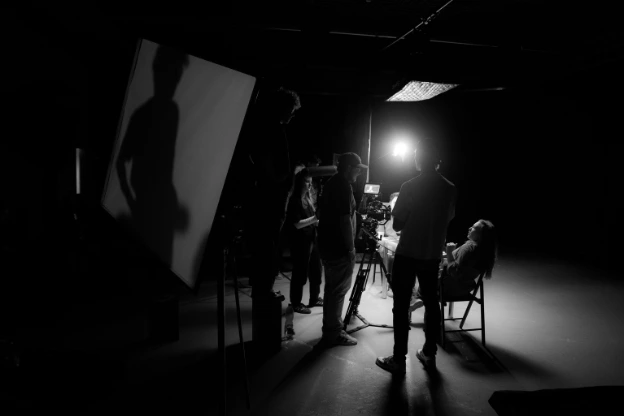
Filmmaking is the process of turning an idea, story or concept into a finished film or video. It involves planning, shooting, recording sound, editing and preparing the final
production for an audience.Although people often associate filmmaking with film directors and actors, a production depends on the combined efforts of several professionals.
A filmmaker may work on feature films, short films, documentaries, advertisements, music videos, web series, corporate videos or online content.
The filmmaking process generally has three major stages.
A filmmaker should understand how these stages connect, even when different specialists handle individual tasks. This is one reason a structured Professional Filmmaking Course in Noida can be useful for beginners who want to understand the entire production process rather than learning only one technical skill.
The way people watch films and videos has changed considerably. Alongside cinema and television, audiences consume content through streaming services, social media, online video platforms and branded digital campaigns.
For example, an advertising filmmaker may work with a brand to communicate a message in 30 or 60 seconds. A documentary filmmaker may spend months researching a subject and recording real-life stories. Both require storytelling, planning and technical understanding, but their approaches can differ significantly.
If you want to become a filmmaker, start with a practical plan instead of waiting for the perfect opportunity. You can begin developing your skills before enrolling in a film school, and formal training can help you organise that learning into a more structured process.
Notice whether scenes feel too long, whether dialogue is clear, whether lighting supports the story and whether the final edit communicates the intended emotion. Seek honest feedback and use each project to improve one or two specific skills. The key is consistency: a small project completed every month can teach you more about practical filmmaking than repeatedly planning a film you never make.
Choosing a filmmaking course is an important decision because it influences what you learn, how you practise and how much you invest in your education. If you are comparing a Filmmaking Course in Noida, begin by examining the programme rather than relying only on advertisements.
Not every programme will cover every subject in equal depth. What matters is whether the course supports your intended career path.
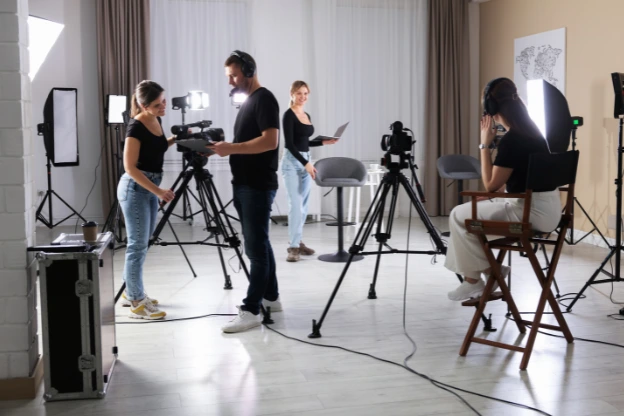
Searching for a Film Making Institute in Noida can produce several options, but not every institute will suit every student. The goal should be to identify a learning environment that supports your interests and provides a realistic understanding of filmmaking.
Beginners should have room to make mistakes, try new techniques and learn from feedback. A useful filmmaking education should help students understand both creative possibilities and the practical limitations of production. When comparing institutes, prioritise transparent information, practical learning and a curriculum suited to your goal
A Diploma in Filmmaking in Noida may suit students who want to develop a broader understanding of film production. However, diploma programmes can differ significantly in duration, depth and teaching methods. Always review the specific syllabus before enrolling. Here are some subjects worth understanding.
Projects allow students to apply these concepts. The most useful exercises encourage learners to plan, shoot, review and refine their work while understanding the responsibilities involved in collaborative production.
Film direction is one of the most visible roles in filmmaking, but it involves much more than calling action and cut. A director helps shape the story's overall creative vision and works with different departments to bring that vision to the screen. Students considering a Film Direction Course in Delhi NCR should understand the responsibilities involved before choosing this specialisation.
Directors work with cinematographers, editors, production designers, sound teams and producers. They need to balance creative decisions with time, budget, safety and practical limitations. For this reason, direction training should ideally include both creative exercises and an understanding of production workflows.
If directing is your goal, you can begin developing the necessary skills through study, practice and collaboration. There is no single route that every successful director follows. Some directors study filmmaking formally. Others learn through assistant roles, independent projects or related production work.
A director's portfolio should show their ability to communicate a story visually. A few well-executed short films can be more useful than a large collection of unfinished or poorly presented projects. Students searching for a Film Director Course in Noida should look for training that supports practical direction exercises, storytelling and project development.
Practical skills help filmmakers turn creative ideas into workable productions. If you are exploring Filmmaking Classes in Noida, consider whether the training allows you to practise the following areas.
Film production involves many people working towards a shared result. Clear communication, punctuality, preparation and respect for the crew are essential professional habits.
Join the Filmmaking Course Fees in NoidaThe Filmmaking Course Fees in Noida can vary depending on the institute, course duration, curriculum, equipment access, faculty, facilities and qualification offered.
A higher fee does not automatically mean better teaching, more useful projects or stronger career outcomes. Compare what each programme actually offers and whether it matches your learning needs. For current pricing at Ravi Sarin Film Institute, contact the institute directly and confirm the applicable course duration, fees and inclusions before admission.
Not every student wants to follow the same learning path. Some want to explore filmmaking before choosing a career. Others already have experience with cameras or editing and want to develop more specialised skills.
A short course may be suitable if you have a limited schedule or want to explore one area. A longer programme may be appropriate if you want to develop a broader understanding of filmmaking and complete more substantial projects. Your decision should reflect your current skills, learning objectives, budget and available time.
Turn your passion for cinema, storytelling, and visual creativity into a professional career with the Filmmaking Course in Noida. Learn film direction, screenplay writing, cinematography, camera operation, shot composition, lighting techniques, production planning, and visual storytelling through practical projects and hands-on training. Develop your creative vision, understand the filmmaking process, and gain industry-ready skills for career opportunities in films, web series, television, advertisements, music videos, and digital media as a filmmaker, film director, assistant director, or creative storyteller.
Book Now →Filmmaking and film production are closely related, but production management places particular emphasis on organising the people, resources and logistics required to complete a project.A Film Production Course in Delhi NCR may be relevant to students who enjoy planning, coordination and working behind the scenes.
Even if you want to become a director or cinematographer, understanding production can make you more effective. Knowing how to plan a realistic shooting schedule, organise equipment and communicate requirements helps you work more efficiently with the rest of the team.
A Career in Filmmaking in India can lead in several directions. Your options depend on your interests, skills, experience, portfolio and the opportunities available in your chosen area.
Music videos, online entertainment and digital campaigns provide other areas in which filmmaking skills can be useful. The work may involve concept development, camera operation, directing, lighting and editing.
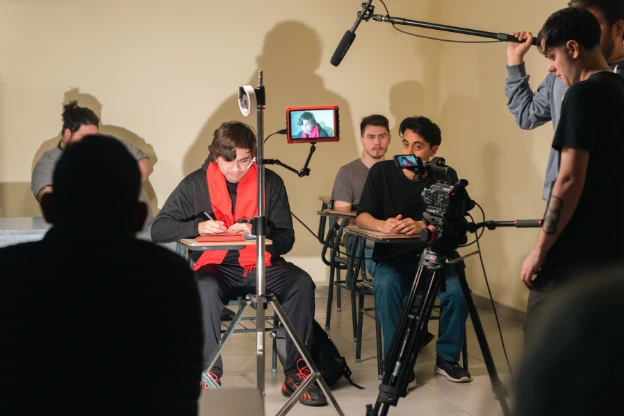
Filmmaking and film production are closely related, but production management places particular emphasis on organising the people, resources and logistics required to complete a project.A Film Production Course in Delhi NCR may be relevant to students who enjoy planning, coordination and working behind the scenes.
Some beginners explore entry-level production assistant opportunities to understand how sets and production offices operate. Such work can involve administrative tasks, organising materials, supporting crew coordination and helping with day-to-day logistics. The experience can be valuable for people interested in production management, producing or directing.
A Career in Filmmaking in India can lead in several directions. Your options depend on your interests, skills, experience, portfolio and the opportunities available in your chosen area.
A beginner working as a production assistant may have very different earnings from an experienced cinematographer or director. Freelancers may also experience fluctuations between projects. Instead of relying on a promised salary, investigate current job listings for your target role, compare the required skills and build a portfolio that demonstrates your abilities.
Students researching the Best Film Making Colleges in Delhi NCR should compare colleges and specialised institutes according to their own goals. A university degree, a diploma programme and a short-term certificate may serve different purposes.
Where available, review examples of student films and ask how projects are supervised. This can give you a better understanding of the learning experience than promotional claims alone. Students comparing a Filmmaking Institute in Delhi with options in Noida should apply the same criteria to every shortlisted institution.
Develop professional filmmaking skills with industry-focused training in Noida. Learn film direction, screenplay writing, cinematography, camera operation, lighting techniques, shot composition, visual storytelling, production planning, and film editing through practical exercises and hands-on projects. Prepare for career opportunities as a filmmaker, film director, assistant director, cinematographer, or creative producer across films, television, OTT platforms, web series, music videos, advertisements, and the entertainment industry.
Book Now →If you are exploring filmmaking education in Noida, Ravi Sarin Film Institute (RSFI) is one institute you can consider while researching your options. Before deciding, review the course details and confirm that the programme suits your interests, schedule and budget.
Begin by observing films, practising with available equipment, developing short stories and learning the basics of editing. Structured training can then help you build on those foundations. For more information, visit the Ravi Sarin Film Institute website and enquire about the filmmaking programme currently available in Noida.
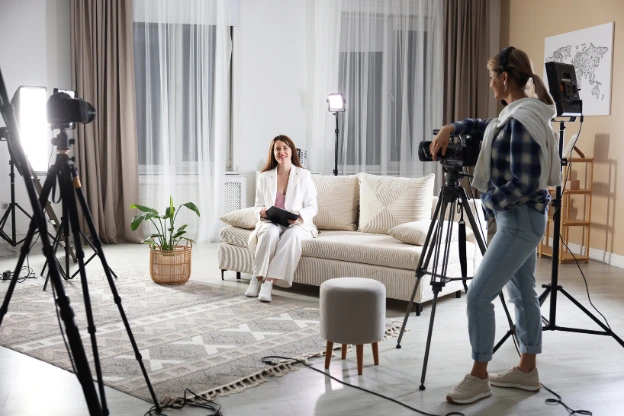
A portfolio gives potential collaborators, clients and employers a practical view of your abilities. You do not need dozens of films to create a useful starting portfolio. Focus on a small collection of projects that demonstrate different skills.
For each project, include the title, duration, year and your role. If you worked with a team, credit other contributors accurately. Use a reliable viewing link and ensure that you have permission to share the material. Remember that a portfolio should represent your actual contribution. Do not claim responsibility for work completed by other people.
Starting a filmmaking journey can be exciting, but beginners sometimes spend too much time worrying about equipment or waiting for the perfect opportunity.
Filmmaking is collaborative. Learn to communicate respectfully, meet deadlines, prepare for shoots and credit the contributions of others. These habits can be as important to your development as technical skills.
| Skill | What You'll Learn |
|---|---|
| Introduction to Filmmaking | Understand the fundamentals of filmmaking, the history of cinema, different film genres, filmmaking styles, and the roles of creative and technical professionals in film production. |
| Fundamentals of Film Production | Learn the essential principles of filmmaking, including pre-production, production, and post-production, to build a strong foundation for a professional filmmaking career. |
| Screenplay Writing & Story Development | Learn story concepts, screenplay structure, plot development, character creation, dialogue writing, and storytelling techniques to develop engaging scripts for films and digital media. |
| Film Direction & Creative Vision | Understand the responsibilities of a film director, including visual planning, creative decision-making, scene direction, actor coordination, and translating scripts into compelling visual stories. |
| Cinematography & Camera Techniques | Learn camera operation, shot composition, camera movements, framing, lens selection, focus control, and visual storytelling techniques to create professional-quality cinematic footage. |
| Lighting Techniques & Set Lighting | Explore natural and artificial lighting, three-point lighting, exposure control, lighting equipment, mood creation, and lighting setups for different scenes and shooting environments. |
| Shot Composition & Visual Storytelling | Develop an understanding of camera angles, shot sizes, framing, visual balance, perspective, and composition techniques to communicate emotions and stories effectively through visuals. |
| Film Editing & Post-Production | Learn video editing workflows, shot selection, scene arrangement, continuity editing, transitions, pacing, and storytelling techniques to transform raw footage into a complete film. |
| Sound Recording & Audio Production | Understand location sound recording, microphone techniques, dialogue recording, ambient sound, sound effects, and audio monitoring to capture clear and professional-quality sound. |
| Pre-Production Planning & Scheduling | Learn script breakdowns, shot lists, storyboards, shooting schedules, location scouting, budgeting basics, and production planning to prepare efficiently for film shoots. |
| Production Design & Set Preparation | Explore set design, props, costumes, locations, colour palettes, visual references, and production design principles to create an appropriate visual environment for a film's story. |
| Storyboarding & Shot Division | Learn how to convert scripts into visual sequences using storyboards, shot divisions, camera directions, scene breakdowns, and visual planning for effective film production. |
| Scene Blocking & Camera Movement | Understand actor positioning, movement within a scene, camera placement, tracking shots, pans, tilts, and coordination between camera movements and on-screen action. |
| Film Production Management | Learn production coordination, crew management, shooting schedules, resource planning, budget management, equipment coordination, and essential production management practices. |
| Music Videos, Short Films & Digital Content | Explore the production techniques used in music videos, short films, promotional videos, branded content, and digital storytelling projects for online platforms. |
| Script Analysis & Scene Interpretation | Learn to analyse scripts, understand story structure, identify scene objectives, interpret character motivations, and plan visual approaches that support the narrative. |
| On-Set Etiquette & Professional Production Practices | Understand film set responsibilities, crew coordination, shooting protocols, production schedules, equipment handling, communication, teamwork, and professional conduct on set. |
| Documentary Filmmaking & Interview Techniques | Learn documentary storytelling, research, interview preparation, location shooting, observational filming, and techniques for presenting real-life stories through visual media. |
| Practical Filmmaking Exercises & Projects | Gain hands-on experience through camera exercises, lighting setups, shot composition, script development, scene direction, short-film production, and collaborative filmmaking projects. |
| Showreel Development & Film Portfolio | Build a professional filmmaking portfolio featuring short films, cinematography samples, directing projects, music videos, edited sequences, and other creative work to demonstrate your skills. |
| Professional Career Preparation in Filmmaking | Develop industry-relevant skills for career opportunities as a Filmmaker, Film Director, Assistant Director, Cinematographer, Camera Operator, Film Editor, or Production Assistant across films, television, OTT platforms, advertisements, and digital media. |
Many students who want to enter the film industry get confused between filmmaking and film direction. Although these fields are closely connected, they involve different responsibilities. Filmmaking covers the complete process of creating a film, from developing an idea to completing the final edit. Film direction focuses more specifically on bringing the story to life through performances, visual storytelling and creative decisions.
Both paths require creativity, communication and practical experience. The best choice depends on your interests and the type of work you want to pursue.
One common misconception about filmmaking is that you need an expensive camera and a professional studio to create a good film. In reality, beginners can start with basic equipment and gradually upgrade as their skills develop. Understanding the purpose of each piece of equipment can help you make better purchasing decisions.
When exploring a Professional Filmmaking Course in Noida, ask which equipment students can access during practical sessions. This can help you understand whether you need to purchase additional equipment before starting the course.
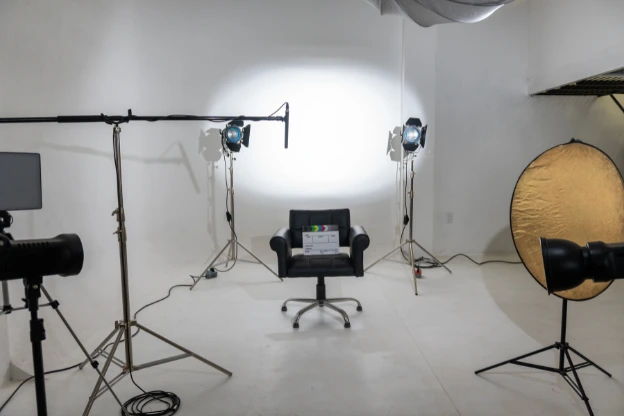
Making a short film is one of the most practical ways to understand filmmaking. It gives you an opportunity to test your ideas, work with other people and learn from mistakes. You do not need a complicated story for your first project. A simple, well-executed idea can be an excellent learning experience.
Watch the finished film and identify what worked and what could be improved. This experience can help you prepare for more ambitious projects and make the practical lessons from Filmmaking Classes in Noida easier to apply.
Getting your first opportunity in the film industry can feel challenging, particularly when you do not already know people working in production. However, you can take practical steps to demonstrate your skills and make yourself easier to consider for suitable opportunities.
Maintain an updated portfolio and a concise description of your skills. Share relevant examples when contacting potential collaborators or employers. A Filmmaking Course in Noida may help you develop foundational knowledge, but your continued practice, communication and project experience also matter.
Filmmaking can be a rewarding career for people who enjoy storytelling, creative problem-solving and working with others. However, it is important to understand both the opportunities and the challenges before committing to this path.
Before enrolling in a Filmmaking Course in Delhi NCR, consider your interests, financial circumstances, preferred career path and willingness to practise consistently. Speak with people who have relevant industry experience, review course curricula and try making a short film before committing to a longer programme. Filmmaking does not guarantee fame or a high income, but it can provide a meaningful professional direction for people who enjoy the craft and are willing to develop their abilities over time.
Starting your filmmaking journey becomes easier when you understand a few basic skills before joining a professional course. You do not need to master everything in advance, but having some familiarity with filmmaking can help you learn more effectively.
Editing connects individual shots into a meaningful sequence. Practise arranging footage, removing unnecessary moments and maintaining continuity between shots. Students planning to join a Filmmaking Course in Noida can use these exercises to become more familiar with the creative and technical aspects of filmmaking.
\
Film production, direction and cinematography are closely connected, but each serves a different purpose in the filmmaking process. Understanding these roles can help students select the right specialisation when researching a filmmaking institute.
For example, a director may want a scene to feel tense, the cinematographer may use lighting and framing to support that feeling, and the production team may organise the location and schedule required to shoot it. Students exploring a Film Production Course in Delhi NCR should understand how these departments work together before choosing their preferred career path.
Preparing before admission can help you choose a course that genuinely matches your interests. If you are searching for a Filmmaking Institute in Delhi, Noida or elsewhere in Delhi NCR, begin by researching the available programmes and their requirements.
You do not need to have your entire career planned before joining a course. However, identifying your current interests can help you choose relevant subjects and practical exercises.
characters and dialogue that eventually appear on screen. You do not need to write a feature-length screenplay for your first project. A short script is often a better starting point.
Read the script aloud and check whether the dialogue sounds natural. Remove unnecessary lines and make sure each scene contributes to the story. Once the script is ready, prepare a basic shot list and consider how you will film it. Students interested in a Film Direction Course in Delhi NCR can benefit from learning how scripts are translated into performances, camera setups and complete scenes.
A showreel is a short video that presents selected examples of your work. It can help potential employers, clients and collaborators understand your abilities. The best showreel depends on the role you want to pursue.
Students taking a Professional Filmmaking Course in Noida can use their practical projects as opportunities to develop material for a future portfolio, depending on the course's project and sharing policies.
Becoming a filmmaker is a journey of learning, experimentation and consistent practice. You do not need to begin with an expensive camera, a large production team or a perfect screenplay. What you need is a willingness to learn the fundamentals, develop your ideas and complete projects that help you improve. If you are researching a Filmmaking Course in Noida, compare the available programmes carefully. Look at the syllabus, practical training, faculty experience, facilities, fees and the opportunities you will have to develop your portfolio. Students considering a Film Making Institute in Noida, a Filmmaking Course in Delhi NCR or a Diploma in Filmmaking in Noida should choose a learning path that fits their interests and long-term plans. If directing interests you most, begin by studying storytelling and practising short scenes. If you prefer camera work, explore cinematography and lighting. If you enjoy organising people and resources, learn about production management.
Join RSFI's industry-focused Filmmaking Course and explore Film Direction, Screenplay Writing, Story Development, Cinematography, Camera Operation, Lighting Techniques, Shot Composition, Visual Storytelling, Film Editing, Sound Recording, Pre-Production Planning, Production Management, Storyboarding, Scene Blocking, Documentary Filmmaking, Short Film Production, Music Video Production, Script Analysis, On-Set Practices, and professional showreel and film portfolio development.
Explore Filmmaking CourseTalk to the RSFI admissions team to learn about course options and admission details.
Apply Now🎭 Acting & Presentation
🎬 Filmmaking
📸 Cinematography
🎞 Animation & VFX
🎭 Advertising, PR & Events
🎵 Music Production
📷 Still Photography
🏠 Interior Design
👗 Fashion Design
View All Courses🎭 Short-Term Certificate Programs
🎬 Diploma Programs
💻 Online Programs
🎞 3-Year Diploma Programs
Explore ProgramsDiscover other creative and media-focused learning options at RSFI, including filmmaking, acting, cinematography, photography, animation and visual effects.
Browse ProgramsHave questions about eligibility, course duration or admissions? Connect with our team for guidance.
Enquire Now