Fashion is more than the clothes we wear. It is a way of expressing personality, culture, creativity and individual style. From designing everyday outfits to creating glamorous costumes for films, fashion designers help turn ideas into wearable designs.best fashion designing course in Noida
Today, students are exploring the best fashion designing course in Noida because they want to develop creative skills, learn garment construction, understand fashion trends and prepare for opportunities in the fashion industry.Whether you are a school student, a college student, a beginner or someone planning to build a career in the fashion industry, this guide will help you make a more informed decision.
☝ Click any topic below to jump directly to that section.
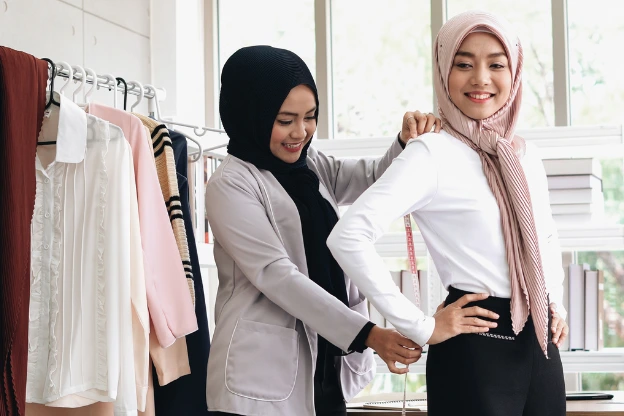
Fashion designing is the process of developing clothing, accessories and visual styles by combining creativity with technical knowledge. It includes everything from researching trends and sketching initial concepts to choosing fabrics, preparing patterns and producing finished garments.
A fashion designer does not simply decide which colours look attractive together. They also need to understand how a garment fits, how fabric behaves, how different materials work together and how a design can be produced within practical limitations.
A well-structured fashion designing course introduces these subjects progressively, helping students move from basic concepts towards more advanced projects. You do not need to be an expert at sketching before joining a beginner-level course. A willingness to practise, experiment and learn is a more useful starting point than expecting every first design to be perfect.
Noida is part of the wider Delhi NCR region, which gives students access to a range of educational institutions and opportunities to explore fashion-related businesses, retail environments, creative studios and professional networks.However, the best reason to choose a location is not simply its popularity. It is whether the available course suits your career goals, budget and learning preferences.
The appropriate choice depends on whether you want foundational training, a professional diploma or a longer academic qualification. Fashion education can introduce students to classmates, instructors, visiting professionals and creative communities. These connections may help students discover internships, collaborations and portfolio opportunities. Remember that networking and placement support can be valuable, but neither guarantees employment. Your skills, work quality, communication and consistency also matter.
Searching for the best fashion designing course in Noida can produce many results. Some institutions focus on long-term degrees, while others offer diplomas or shorter professional programmes.Instead of selecting the first result, compare each programme using a clear checklist.
Not every course will cover all these subjects at the same depth. Review the actual syllabus before enrolling. Do not compare institutes using tuition fees alone. Check whether the quoted amount includes admission charges, fabrics, sewing materials, examination fees, software access, portfolio costs and other expenses. The best course is one that offers an appropriate balance of education, practical experience, affordability and long-term relevance to your goals.
A diploma in fashion designing in Noida can be an option for students who want structured learning without automatically committing to a multi-year degree. However, diploma programmes vary considerably. Some introduce basic fashion concepts, while others include more extensive technical training and project work.
These skills work together. A designer may create a beautiful illustration, but producing a successful garment also requires an understanding of fabric, measurements, construction and fit.
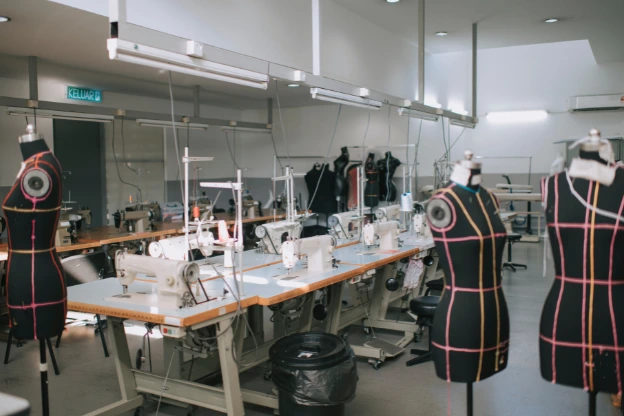
A fashion designing course should help students understand how an initial creative idea becomes a design that can be developed, fitted and presented. The exact curriculum depends on the institution and qualification, but the following subjects are common areas worth looking for.
study current preferences and identify ideas relevant to their intended audience. Good designers do not simply copy every trend. They learn how to interpret inspiration and develop a distinctive design direction
Practical learning is especially important when selecting a fashion designing institute in Noida. A student may understand a design concept in theory but still need considerable practice to produce a well-fitting garment. Practical assignments help connect design decisions with real production challenges.
Photograph the garment and organise your research, sketches and process notes. This documentation can later become part of your portfolio. This process shows why practical experience matters. Fashion design requires creativity, but it also requires patience, technical accuracy and the ability to improve work through feedback. When comparing fashion designing courses, ask how many projects students complete and whether they receive individual guidance.
A successful fashion career requires more than an interest in stylish clothing. Students should develop a combination of creative, technical and professional skills.
Designers who want to freelance or launch a brand should also learn about pricing, customer research, sourcing, budgeting and marketing. The combination of design ability and practical business knowledge can help turn creative ideas into sustainable work.
Completing a fashion designing course can introduce students to several career paths. The roles available will depend on the programme, practical skills, portfolio, experience and employer requirements.
Students who enjoy digital media may create fashion videos, styling guides, outfit breakdowns or educational content. This path combines visual creativity with content planning and audience engagement. It is not a guaranteed source of income, but it can complement other fashion-related work.
Join the Fashion Designer Salary and Earning OpportunitiesStudents often want to know how much a fashion designer can earn after completing a fashion designing course in Noida or Delhi NCR.
level opportunities where appropriate, ask for constructive feedback and continue practising. Students should also learn how to present their work professionally. A clear portfolio and the ability to explain design decisions can help employers understand your strengths.
The search for the best fashion designing institute in Delhi NCR should lead to a careful comparison of actual courses, not just a list of popular names.
Compare your shortlisted programmes against the same checklist. Choose the course that best meets your educational needs, practical learning goals and budget. The right fashion designing institute is not necessarily the one with the loudest advertisement. It is the one that offers a suitable programme and helps you build the skills you need
Turn your passion for creativity, style, and trends into a professional career with Fashion Design training in Noida. Learn fashion illustration, garment construction, pattern making, fabric selection, textile design, fashion styling, color coordination, and the latest fashion trends through practical projects. Develop industry-ready skills for career opportunities in fashion design studios, clothing brands, garment manufacturing companies, fashion boutiques, styling agencies, and the fashion and apparel industry.
Book Now →Choosing a fashion course is an important decision. Avoiding a few common mistakes can save time, money and frustration.
Speak with the institute about the syllabus, class schedule, facilities, assessment methods, qualification and payment terms. Clear information helps you make a confident decision.
Students exploring a fashion designing course in Noida can include Ravi Sarin Film Institute (RSFI) in their shortlist and review its current course details. RSFI lists a one-year diploma in fashion design on its official website. The published course information describes subjects including fashion illustration, garment construction, pattern making, draping, textile design, fashion styling and portfolio development.
The programme may be worth considering for students who want to investigate a focused fashion design diploma in Noida and develop skills across the creative and technical sides of garment design. The most useful next step is to review the official syllabus and discuss your goals with the admissions team. This will help you decide whether the programme matches your needs.
If you are planning to join an interior design programme in 2027, start by identifying the course that matches your current qualification and long-term goals. Before submitting an application, check the latest admission information directly with the institute. Batch dates, eligibility conditions, course fees and programme details may change.
Students comparing an interior design course in Delhi NCR should also consider travel time, class schedules and the facilities available at the campus. For admission enquiries, visit the RSFI Admission Information page or contact the institute through its official Contact Us page.
Sustainable fashion focuses on reducing the environmental and social impact of clothing throughout its life cycle. It encourages designers to think carefully about materials, production, garment durability and waste. For aspiring fashion designers, sustainability is an important subject to explore alongside traditional design techniques.
For example, a student could transform unused fabric pieces into accessories or redesign an old garment into a contemporary outfit. Learning about sustainability helps future designers consider not only how clothing looks but also how it is produced and used.
Fashion designing and fashion styling are connected fields, but their day-to-day work is different. Fashion designers develop clothing concepts and may work on sketches, fabric selection, patterns and \ garment production. Fashion stylists focus on coordinating clothing and accessories to create a particular appearance for a person, campaign, photo shoot or event.
Students who enjoy creating garments may prefer fashion designing, while those who love coordinating outfits and developing complete looks may be interested in styling. Some professionals develop skills in both areas, depending on their training and career experience.
Develop professional skills with industry-focused Fashion Design training in Noida. Learn fashion illustration, garment construction, pattern making, textile selection, fabric styling, color theory, fashion forecasting, and the latest design trends through practical projects. Prepare for career opportunities as a fashion designer, fashion stylist, apparel designer, textile designer, fashion illustrator, or boutique owner in fashion houses, clothing brands, garment manufacturing companies, design studios, and the fashion industry.
Book Now →A portfolio is a collection of work that demonstrates your creativity, technical understanding and design process. It can help students present their abilities when applying for internships, jobs, advanced courses or freelance projects.
Use your own work and clearly explain your role in each project. Include selected process images so viewers can understand how an idea developed into a finished design. Keep the presentation organised and easy to read. Quality and relevance are more important than simply adding a large number of pages.
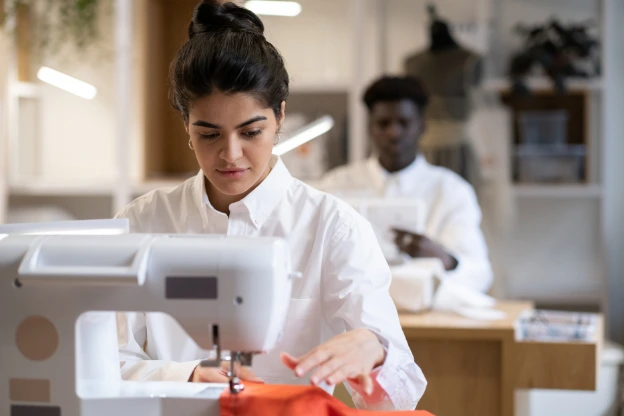
Technology is changing how fashion designers research, develop and present their ideas. Traditional drawing, fabric knowledge and garment construction remain valuable, while digital tools can support many stages of the design process.
Technology does not replace the need to understand fit, fabrics and construction. Instead, it can help designers communicate ideas, test alternatives and organise their work more efficiently. Students should investigate which tools are relevant to their intended roles and whether their chosen course provides suitable training.
For some students, fashion designing is not only a career choice but also an opportunity to build an independent business. After developing suitable design and production skills, you could explore custom clothing, boutique services, made-to-order outfits, accessories or a small clothing label.
A fashion business requires planning as well as creativity. Sales and profits are not guaranteed, so begin with realistic costs and a clear understanding of your target market.
| Skill | What You'll Learn |
|---|---|
| Introduction to Fashion Design | Understand the fundamentals of fashion design, fashion history, design principles, aesthetics, and the role of fashion designers in creating stylish, functional, and contemporary clothing. |
| Fundamentals of Fashion Design | Learn design elements and principles, balance, proportion, rhythm, harmony, contrast, silhouettes, and composition to develop creative and visually appealing fashion collections. |
| Fashion Illustration & Drawing | Explore fashion figure drawing, croquis development, garment illustration, poses, proportions, sketching techniques, and rendering methods to communicate fashion concepts effectively. |
| Color Theory & Fashion Styling | Learn color psychology, color combinations, seasonal palettes, prints, patterns, textures, and styling techniques to create attractive and coordinated fashion looks. |
| Textile Science & Fabric Studies | Understand different types of natural and synthetic fibers, fabric structures, textile properties, weaves, knits, prints, and fabric selection techniques for various garments and fashion applications. |
| Pattern Making & Garment Construction | Learn basic pattern drafting, measurements, pattern development, garment components, cutting techniques, and construction methods to transform fashion ideas into wearable garments. |
| Fashion Draping Techniques | Explore fabric draping on dress forms, garment shaping, pleating, gathering, folds, and silhouette development to create unique designs and achieve the desired garment fit. |
| Fashion Sewing & Stitching Techniques | Understand sewing machine operations, hand stitching, seams, hems, darts, zippers, buttons, finishing techniques, and garment assembly methods used in professional fashion production. |
| CAD for Fashion Design | Learn the fundamentals of computer-aided fashion design, including digital garment illustration, technical flats, pattern development, color variations, and fashion design documentation. |
| Digital Fashion Illustration & Rendering | Explore digital sketching, garment rendering, fabric textures, print placement, color application, and digital presentation techniques to develop professional fashion design concepts. |
| Women's Wear Design | Learn to design dresses, tops, skirts, trousers, ethnic wear, western wear, and contemporary outfits with a focus on fit, silhouettes, fabric selection, functionality, and current fashion trends. |
| Men's Wear Design | Understand men's fashion design, including shirts, trousers, jackets, suits, casual wear, formal wear, and contemporary menswear collections, with attention to fit, construction, and styling. |
| Indian Ethnic Wear & Traditional Textiles | Explore Indian traditional clothing, sarees, lehengas, salwar suits, kurtas, embroidery, regional textiles, traditional motifs, and contemporary ethnic fashion design techniques. |
| Fashion Accessories & Surface Ornamentation | Learn about fashion accessories, embroidery, embellishments, beadwork, sequins, appliqué, decorative stitching, and surface design techniques to enhance garments and fashion collections. |
| Fashion Design Software & Digital Tools | Develop an understanding of digital tools used for fashion illustration, technical drawings, textile prints, garment visualization, collection presentations, and professional fashion design documentation. |
| Fashion Merchandising & Cost Estimation | Learn the fundamentals of fashion merchandising, garment costing, fabric consumption, production expenses, pricing strategies, product planning, and budget management for fashion businesses. |
| Garment Production & Quality Control | Understand garment manufacturing processes, production planning, fabric cutting, stitching operations, finishing, sizing, fit evaluation, quality standards, and inspection techniques used in the apparel industry. |
| Fashion Forecasting & Trend Analysis | Explore fashion trend research, consumer preferences, seasonal forecasts, market analysis, color trends, fabric developments, and emerging styles to create relevant and market-oriented fashion collections. |
| Practical Fashion Design Projects | Gain hands-on experience through fashion illustration exercises, fabric studies, pattern-making assignments, garment construction, styling activities, textile experimentation, and complete fashion collection development. |
| Fashion Design Portfolio & Collection Development | Develop a professional portfolio featuring fashion illustrations, mood boards, color palettes, textile samples, technical drawings, garment photographs, and original collection concepts to showcase creative skills. |
| Professional Career Preparation in Fashion Design | Develop industry-relevant skills for career opportunities as a Fashion Designer, Apparel Designer, Fashion Stylist, Textile Designer, Fashion Illustrator, Fashion Merchandiser, Costume Designer, or Boutique Owner. |
Fashion design includes several related specialisations. Exploring them can help students choose projects, optional subjects and future career directions that match their interests.
Accessory design focuses on products such as bags, belts and other fashion accessories. The work combines visual creativity with material selection and product development. Before choosing a specialisation, explore sample projects, course syllabuses and the skills required for the roles that interest you.
An internship can give students a chance to observe professional workflows and understand how classroom skills are applied in a working environment. The responsibilities will depend on the company and role. An intern might assist with research, organise fabric samples, prepare design references, document garments or support a creative team.
Ask for feedback when appropriate and keep a record of the skills you develop, while respecting workplace confidentiality and intellectual property. A useful internship should help you understand professional expectations and identify areas where you need more practice. It may support your career development, although it does not guarantee a permanent job.
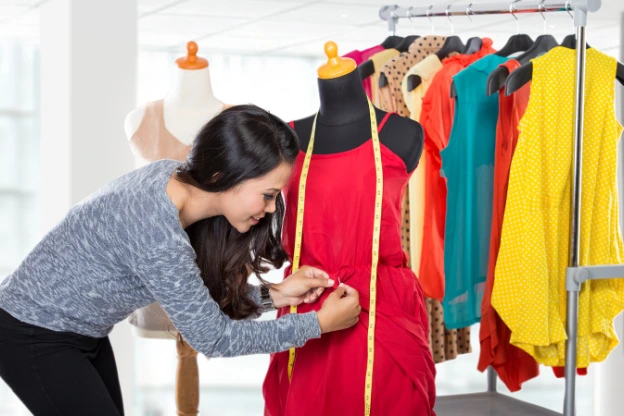
Fashion designers use research and observation to make informed decisions about their upcoming collections. Instead of relying only on personal preferences, they consider the needs of their target customers and the direction of the market.Fashion forecasting is the process of studying emerging styles, consumer behaviour, colours, materials and lifestyle changes to understand what people may want to wear in the future.
Fashion forecasting helps designers develop collections with a clearer understanding of their intended audience. It can also help fashion businesses plan products and reduce the risk of producing items that do not match customer preferences.
Fashion merchandising combines an understanding of fashion products with commercial planning. It helps businesses decide what to offer customers, how to present collections and how to respond to market demand.While fashion designers concentrate on developing designs, merchandisers often work with product selection, sourcing, pricing, inventory and sales-related decisions.
This field may suit students who enjoy fashion but are also interested in business, customer behaviour, retail operations and product planning. Fashion merchandising can be relevant to clothing brands, retail businesses, buying teams and fashion companies.
Fashion photography helps communicate the appearance, details and mood of clothing through images. It is an important part of fashion campaigns, catalogues, online stores, magazines and designer portfolios. Fashion designers can benefit from understanding how garments are photographed and presented, even if they do not intend to become professional photographer
They can experiment with natural light, different backgrounds, garment arrangements and model poses. The aim is to learn how to present design work clearly and professionally. A well-organised set of photographs can help communicate a designer's creative ideas and document the development of practical projects.
Fabric selection is one of the most important decisions in garment design. The material influences a garment's appearance, comfort, drape, durability and construction requirements.
Fabric knowledge helps students make practical design decisions instead of choosing materials based on appearance alone. A useful learning exercise is to compare different fabrics, record their properties and test how they behave when folded, stitched or draped.
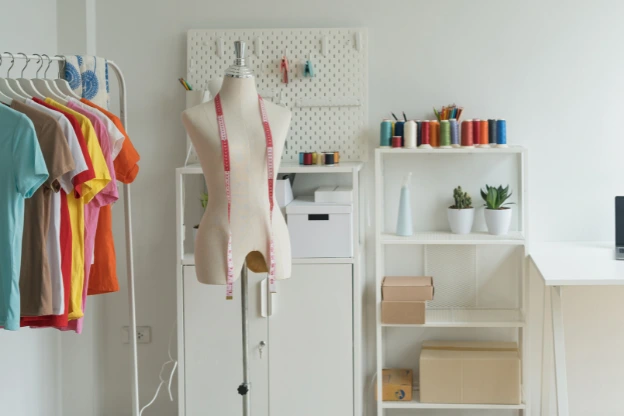
Creating a fashion collection involves developing several related designs around a common idea. A collection should have a clear direction while allowing individual garments to offer different shapes, details and styling possibilities.
Create a presentation that includes the inspiration, sketches, material choices and photographs of completed garments. Following this process helps students understand how individual ideas can become a coordinated collection.
Students applying for fashion internships, entry-level positions or advanced design programmes may need to explain their work and demonstrate their understanding of fashion.
You do not need to know everything as a beginner. Demonstrating curiosity, preparation and a willingness to learn can help you communicate your potential.
Students can start learning fashion designing at home by observing clothing styles, understanding fabrics, practising basic sketches, and exploring colour combinations. Beginners can create a small design notebook, learn basic stitching, and study different garment styles. These activities help students understand their interests before enrolling in a professional Fashion Designing Course in Noida.
design notebook, learn basic stitching, and study different garment styles. These activities help students understand their interests before enrolling in a professional Fashion Designing Course in Noida.
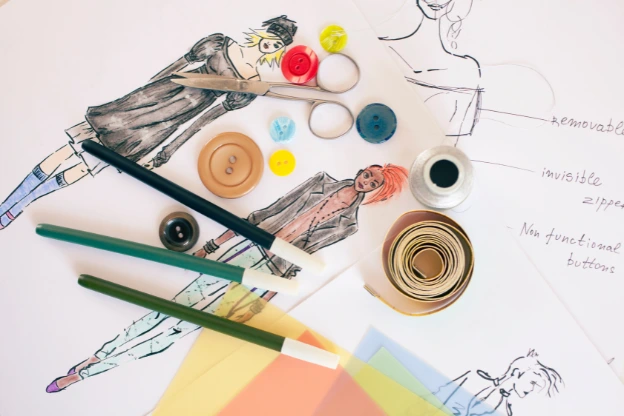
Fashion design students use different tools to sketch designs, measure fabrics, create patterns, and construct garments. Having the right equipment makes practical learning easier and helps students develop professional skills.
Lighting decisions should also account for electrical safety and the requirements of the particular project. Where necessary, qualified electrical professionals should handle technical installation.For aspiring interior designers, lighting practice develops the ability to combine aesthetics with everyday functionality.
Many students believe fashion designing is only about drawing beautiful clothes or following celebrity trends. In reality, the field also involves research, fabric knowledge, garment construction, creativity, technical skills, and understanding customer needs.
the field also involves research, fabric knowledge, garment construction, creativity, technical skills, and understanding customer needs.
Choosing the best fashion designing course in Noida is an important first step towards developing your creative interests into practical skills. Before making a decision, compare the curriculum, course duration, fees, qualification, practical training and student work. Consider whether a certificate, diploma or degree is the best fit for your educational background and future plans. Remember that fashion design is a skill-based field. Your growth will depend not only on the institute you choose but also on the projects you complete, the feedback you use and the time you invest in improving your work. If you are looking for a fashion designing course in Noida or Delhi NCR, start by identifying your goals and reviewing the official information provided by shortlisted institutes. Ravi Sarin Film Institute lists a one-year diploma in fashion design that you can explore as part of your research. Review the syllabus, ask questions about practical training and confirm the current admission requirements before deciding.
Join RSFI's industry-focused Fashion Design Course and explore Fashion Illustration, Pattern Making, Garment Construction, Textile Science, Fabric Selection, Color Theory, Fashion Styling, Draping Techniques, CAD for Fashion Design, Digital Fashion Illustration, Women's Wear, Men's Wear, Indian Ethnic Wear, Fashion Forecasting, Garment Production, Fashion Merchandising, and professional portfolio development.
Explore Fashion Design CourseTalk to the RSFI admissions team to learn about course options and admission details.
Apply Now🎭 Acting & Presentation
🎬 Filmmaking
📸 Cinematography
🎞 Animation & VFX
🎭 Advertising, PR & Events
🎵 Music Production
📷 Still Photography
🏠 Interior Design
👗 Fashion Design
View All Courses🎭 Short-Term Certificate Programs
🎬 Diploma Programs
💻 Online Programs
🎞 3-Year Diploma Programs
Explore ProgramsDiscover other creative and media-focused learning options at RSFI, including filmmaking, acting, cinematography, photography, animation and visual effects.
Browse ProgramsHave questions about eligibility, course duration or admissions? Connect with our team for guidance.
Enquire Now