If you love films, cameras, lighting, visual storytelling and the idea of creating beautiful scenes that stay in people's minds, cinematography can be an exciting career choice. Today, filmmaking is no longer limited to Bollywood or traditional television. With the growth of OTT platforms, music videos, advertising, corporate films, YouTube content, documentaries and digital media, the demand for skilled cinematographers has expanded significantly.Cinematography course in Noida
For students and aspiring filmmakers in the Delhi NCR region, Noida has become an increasingly popular place to learn filmmaking and cinematography. The city offers access to film studios, production houses, media companies, advertising agencies and a growing creative ecosystem.
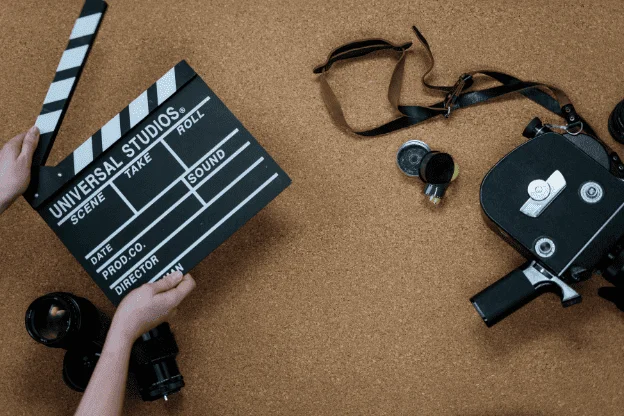
Cinematography is the art and technical process of creating the visual language of a film, video or other visual production.
A cinematographer, also known as a Director of Photography or DoP, works with the director to decide how a story should look on screen. This includes decisions about camera angles, lenses, framing, composition, lighting, movement, exposure, colour and visual mood.
Think about your favourite movie scene. The emotions you feel are not created only by the actors or dialogue. The camera position, lighting, background, colours and movement also influence how you experience that scene.
A professional cinematographer needs both creativity and technical knowledge. You need to understand cameras and lenses, but you also need to understand storytelling, composition and human emotions.
This is why a structured cinematography course in Noida can be useful for students who want to learn the subject systematically rather than depending only on online tutorials.
Noida is part of the Delhi NCR media and entertainment ecosystem and has developed into a major location for media, production, advertising, television and digital businesses. For students interested in filmmaking, the location provides exposure to a growing creative environment. Choosing a cinematography course in Noida can allow students to learn close to Delhi while avoiding some of the challenges associated with studying in a larger city.
For students who want to build a career in visual media, being surrounded by a creative industry can be valuable.
Cinematography helps determine how the audience sees a character, location or situation. For example, a close-up can make an emotional moment feel intimate. A wide shot can show the scale of a location. Low-key lighting can create a dramatic atmosphere, while soft lighting can create a completely different emotional feeling.
A good cinematography institute in Noida should therefore focus on both technical understanding and practical application.

A cinematography course can be suitable for students and beginners who have an interest in:
You do not necessarily need to be an expert photographer before starting. Many students begin with a basic interest in cameras and gradually develop professional skills through training and practice.
Students often search for a cinematography course after 12th in Noida because they want to enter the filmmaking industry directly after school. After completing Class 12, students can explore certificate, short-term and diploma-level programs depending on their educational background and career goals. A structured course can introduce students to fundamental concepts such as:
Starting early can give students more time to practise and create a portfolio.
Students searching for a diploma in cinematography in Delhi NCR can consider institutes across Noida, Delhi and other NCR locations. The most important factors to compare are not simply location or course name.
Your goal should be to find a learning environment where you can actually practise cinematography.

Join the professional cinematography course in Noida,A professional cinematography curriculum can cover many areas of visual production.
Lighting is one of the most important parts of cinematography. Students learn how to use light to create mood, depth and visual focus.
Students interested specifically in filmmaking may also search for a film camera course in Noida. Film camera training can introduce students to professional concepts used in narrative filmmaking and production environments.
The objective is to develop confidence with professional camera workflows.
Modern filmmaking is strongly connected with digital cameras and digital workflows. A digital cinematography course in Noida can help students understand how modern digital cameras capture and reproduce images.
Understanding digital cinematography is useful for students who want to work in today's production environment.
Build your career in Cinematography with professional training in Noida. Learn Camera Operations, Lighting Techniques, Shot Composition, Lens Selection, Exposure, Framing, Visual Storytelling, Cinematic Techniques, and Camera Equipment through practical projects and industry-focused training.
Book Now →One of the most important things to look for while choosing a course is practical exposure. You can read about cameras, lighting and lenses, but cinematography becomes easier to understand when you actually work with equipment. A good cinematography course with practical training in Noida should provide opportunities to experiment with:
Practical exercises also help students understand mistakes and improve their technique.
The cinematography course fees in Noida can vary depending on several factors. There is no single fee applicable to every cinematography institute.
A short certificate program will generally have a different fee structure from a long-term diploma. Students should always ask the institute for the latest fee structure before admission. Rather than selecting a course only on price, compare what is actually included in the program.

The cinematography course duration in Noida can range from short-term programs to multi-year diploma programs.
The right duration depends on your current skill level and career objective.
Building a career in cinematography after 12th is possible for students who are passionate about visual storytelling and willing to develop technical skills. After completing a cinematography course, students can explore different areas of media production.
Career growth depends on skills, experience, portfolio, networking and the type of projects you work on.
Cinematography skills can be used across many industries.
Documentaries require strong observational and storytelling cinematography.
Build your career in Cinematography with professional training in Noida. Learn Camera Operations, Lighting Techniques, Shot Composition, Lens Selection, Exposure, Framing, Visual Storytelling, Cinematic Techniques, and Camera Equipment through practical projects and industry-focused training.
Book Now →Delhi NCR has a broad media ecosystem, which makes it relevant for students interested in filmmaking and production. Depending on their skills and experience, students may explore opportunities with:
Students should understand that completing a course does not automatically guarantee a job. Building a strong portfolio, gaining practical experience and developing professional connections are important parts of entering the industry.

A professional cinematography course in Noida should ideally combine technical education with practical filmmaking. A professional approach means understanding not only how equipment works, but also how to use it to communicate a story.
These decisions become more natural with regular practice.
When searching for a professional cinematography institute in Delhi NCR, students should look beyond advertisements. Before joining, visit the institute if possible and ask questions such as:
These questions can help you understand whether the course matches your expectations.
| Skill | What You'll Learn |
|---|---|
| Introduction to Cinematography | Understand the fundamentals of cinematography, the role of a cinematographer and the importance of camera, lighting and visual storytelling in film production. |
| Camera & Cinematography Fundamentals | Learn the basic principles of cinematography, camera systems, image formation, focal length, perspective, depth and professional shooting techniques. |
| Camera Operations | Develop practical knowledge of professional cameras, camera settings, focus, exposure, white balance, frame rates and different shooting modes. |
| Shot Composition & Framing | Learn shot sizes, framing, composition, camera angles, visual balance and techniques for creating visually effective cinematic shots. |
| Lenses & Focal Length | Understand different types of lenses, focal lengths, depth of field, perspective, lens characteristics and their creative use in cinematography. |
| Exposure & Camera Settings | Learn aperture, shutter speed, ISO, exposure control, histogram, dynamic range and other essential camera settings for professional image capture. |
| Lighting Fundamentals | Understand the principles of light, light quality, direction, intensity, colour temperature and professional lighting techniques for different scenes. |
| Three-Point Lighting | Learn key light, fill light, backlight and practical lighting setups to create professional looks for films, interviews, advertisements and digital content. |
| Creative & Cinematic Lighting | Explore creative lighting techniques for creating mood, atmosphere, depth, contrast and visual style across different cinematic situations. |
| Camera Movement Techniques | Learn pan, tilt, tracking, dolly, crane, handheld and other camera movements to enhance storytelling and create dynamic visual sequences. |
| Visual Storytelling | Understand how camera angles, framing, movement, lighting, colour and composition work together to communicate emotions and stories visually. |
| Colour & Visual Aesthetics | Learn colour temperature, colour theory, visual mood, contrast and cinematic aesthetics to develop a consistent visual style. |
| Location & Studio Lighting | Gain practical knowledge of lighting setups for indoor, outdoor, studio and location shoots while adapting to different environments and conditions. |
| Scene Analysis & Shot Design | Learn how to analyse a scene, plan camera positions, select lenses, design shots and create a visual approach according to the story. |
| Camera & Lighting Equipment | Understand professional camera accessories, tripods, gimbals, monitors, reflectors, LED lights, modifiers and other cinematography equipment. |
| Practical Cinematography Projects | Develop hands-on experience through camera exercises, lighting assignments, scene shoots, visual storytelling projects and cinematography-based activities. |
| Short Film Cinematography | Apply cinematography skills to short film projects by planning shots, lighting scenes, operating cameras and creating a complete visual language. |
| Professional Cinematography & Career Preparation | Build practical knowledge and professional skills for career opportunities as a cinematographer, camera operator, DOP, camera assistant and lighting professional. |
Many students search for the best cinematography institute in Noida, but the right choice depends on individual requirements. Instead of selecting an institute based only on promotional claims, compare practical factors.
Workshops, guest sessions and production exposure can help students understand professional workflows.
Students frequently search for a cinematography course with placement in Noida.
It is important to understand the difference between placement support and a guaranteed job.
A course may provide career guidance, interview preparation, industry connections, internships or placement assistance. However, employment ultimately depends on the student's skills, portfolio, experience and available opportunities.
Before admission, ask the institute exactly what its placement support includes.
A transparent institute should clearly explain its process rather than making unrealistic promises.

A successful cinematographer needs a combination of technical and creative abilities.
Camera technology and filmmaking techniques continue to change, so professionals need to keep learning.
If you are completely new to cinematography, don't worry about owning expensive equipment immediately. Start with the basics. Learn how exposure works. Understand different lenses. Practise framing. Experiment with natural light. Shoot small scenes. Watch films carefully and observe how different shots are constructed.
The more you practise, the more confidently you will understand cinematography.

A student can understand camera theory in a classroom, but real improvement comes through practice. Imagine shooting the same subject in three different ways:
Then change the lighting and camera angle. The result will immediately show how cinematography changes the feeling of a scene. Projects allow students to make these experiments.
A portfolio is one of the most useful tools for a new cinematographer. You do not need to start with a feature film.
Keep your strongest work together and update your portfolio as your skills improve. A portfolio gives potential clients, production teams and employers something concrete to evaluate.
Photography and cinematography are closely connected, but they are not the same. Photography generally focuses on creating individual still images. Cinematography works with moving images and includes additional considerations such as:
Someone with photography experience can therefore have a useful foundation, but cinematography requires additional skills.
Ravi Sarin Film Institute (RSFI) offers filmmaking and media-focused education for students interested in developing practical creative skills.
A cinematography-focused learning environment can help students understand the relationship between camera, lighting, composition and storytelling.
For students looking for a cinematography institute in Noida, the learning experience should ideally go beyond classroom theory.
The focus should be on understanding how cinematography works in real production situations and giving students opportunities to practise their skills.
Students can explore suitable cinematography programs based on their educational background, preferred duration and career goals.
Before admission, students are encouraged to understand the current course structure, eligibility, duration and fee details directly from the institute.
Choosing a cinematography course in Noida can be the first step toward exploring a career in filmmaking and visual media. Whether you are searching for a cinematography course after 12th in Noida, a diploma in cinematography in Delhi NCR, a 3 months cinematography course in Noida, a 6 months cinematography course in Noida, or a longer professional program, the most important thing is to choose training that gives you a strong foundation in both theory and practical work. Cinematography is more than operating a camera. It is about understanding light, composition, movement, colour and storytelling — and bringing all of these elements together to create a visual experience. The industry is also much broader today than traditional films. Cinematographers and camera professionals can explore opportunities in films, OTT content, advertising, music videos, documentaries, corporate videos, digital media and online content. If you are serious about building a career, start by learning the fundamentals, practise regularly, create projects and build a strong portfolio.
Join RSFI's industry-focused Cinematography Course and master Camera Operations, Shot Composition, Lenses, Exposure, Lighting Techniques, Camera Movements, Visual Storytelling, Colour & Visual Aesthetics, and Cinematic Techniques through hands-on training and practical cinematography projects.
Explore Cinematography Course🎭 Acting
🎬 Filmmaking
📸 Cinematography
🎞 Animation & VFX
🎭 Advertising, PR & Event
🎬 Music Production
📸 Still Photography
🏠 Interior Design
👗 Fashion Design
View Programs🎭 Short Term Program
🎬 Diploma Program
📸 Online Program
🎞 3 Years Diploma Programs
View ProgramsLearn professional cinematography at RSFI with practical training in Camera Handling, Lighting, Composition, Lens Selection, Exposure, Camera Movements, Visual Storytelling, Colour Techniques, and Cinematic Shot Design. Gain hands-on experience through real-world shooting exercises and filmmaking projects.
Explore Cinematography Course