Cinematography is one of the most creative and technically demanding careers in the film and media industry. From films and web series to advertisements, music videos, documentaries, OTT content and digital media, every visual story needs a cinematographer who understands how to transform an idea into compelling images.Cinematography as a Career in India
Cinematography is not simply about operating a camera. A cinematographer, also known as a Director of Photography (DoP), works closely with the director to decide how a story should look and feel. Camera movement, lens selection, framing, lighting, colour, composition and visual mood all contribute to the final experience of the audience.

Cinematography is the art and technical process of creating the visual appearance of a film, video or other moving-image production.
A cinematographer works with the director and creative team to decide how scenes should be captured. This includes choosing cameras, lenses, lighting arrangements, camera angles, movement and composition.
A good cinematographer understands that every visual choice can influence the emotions of the audience.
For example, a dark and low-key lighting setup can create tension or mystery, while bright and soft lighting may create a feeling of happiness, comfort or romance.
Similarly, a wide-angle lens can establish the environment around a character, while a close-up can focus attention on facial expressions and emotions.
Therefore, cinematography combines art, storytelling, technology and technical knowledge.
The Indian media and entertainment industry has expanded significantly beyond traditional cinema. Today, content is produced for multiple platforms and audiences.
This variety makes Cinematography as a Career in India suitable for people who want a creative profession with different career paths. Another major advantage is that cinematography is a skill-based profession. While formal education can provide structured training, practical experience, networking and a strong portfolio are equally important.
The scope of cinematography has grown because visual content is now required by almost every major industry. The film industry remains one of the most visible career options, but it is no longer the only one.
YouTube creators, influencers and digital media companies require professional-quality video content, creating additional opportunities for camera professionals.

Cinematography is a broad field. You do not necessarily have to become a feature-film Director of Photography immediately.
Working in different roles can help beginners understand how professional productions operate.
A successful cinematographer needs both creative and technical skills.
Production environments frequently involve changing weather, locations, schedules, equipment limitations and creative changes. A cinematographer needs to adapt quickly.
A structured course can help students understand cinematography systematically instead of learning everything randomly. A good cinematography curriculum may include:
Hands-on exercises allow students to apply classroom concepts to real shoots.
Noida has developed into an important media, entertainment and production hub in the Delhi-NCR region. For students searching for a Cinematography Course in Noida, location can be an advantage because learners can potentially access production companies, advertising agencies, studios, digital media companies and other creative businesses in the wider NCR region.
A practical learning environment can help students develop confidence with professional equipment and production workflows.
Delhi has a long-established connection with theatre, television, advertising, documentary production, photography and filmmaking.
A Cinematography Course in Delhi can provide students with opportunities to study in a highly active creative environment.
Delhi-NCR also gives students access to a wider ecosystem that includes Noida, Gurugram and other nearby production and media locations.
Students should choose a course based on the quality of training rather than location alone.
The ideal program should combine:
Theory + Practical Training + Projects + Portfolio + Industry Understanding

Join the Cinematography Institute in NoidaBefore enrolling, students should check whether the institute provides opportunities to actually operate cameras, experiment with lighting and participate in shoots. is an important decision because cinematography is a highly practical subject.
Workshops, guest sessions and production exposure can help students understand professional expectations.
When searching for a Cinematography Institute in Delhi, students should compare institutes based on their curriculum, practical training and student projects.
A good learning environment should encourage students to experiment.
Cinematography cannot be mastered simply by memorising camera specifications. Students need to shoot, review their footage, identify mistakes and improve.
A strong institute can provide a structured environment where students receive feedback and gradually develop their visual style.
The Cinematography Career in Noida can be explored through several sectors. Noida and the wider NCR region have opportunities connected to:
For beginners, smaller projects can be particularly valuable because they allow them to build practical experience. A student might begin by assisting on shoots, operating cameras for small productions or creating independent short films. Over time, experience and networking can lead to larger assignments.
Explore professional Cinematography training in Noida and develop essential skills such as camera operation, shot composition, lighting techniques, camera movement, lens selection, framing, exposure, visual storytelling, colour theory, film lighting, location cinematography, digital cameras, cinematography for films and videos, and practical cinematography projects with industry-focused training.
Book Now →A Cinematography Career in Delhi can involve many different areas of the media industry. Delhi offers a broad creative ecosystem involving:
Delhi and Noida should not necessarily be viewed as competing destinations. They are both part of the larger NCR media ecosystem. For a student, the ability to travel between nearby production centres can increase exposure to different types of projects.
Technology plays an important role in modern cinematography. Students should gradually become familiar with:
However, expensive equipment does not automatically create great cinematography. A skilled cinematographer can often create strong images by understanding light, composition and storytelling even when working with limited equipment. The equipment should serve the story—not the other way around.

The cinematographer is responsible for the visual execution of a production. Before shooting begins, the cinematographer may discuss:
During production, the cinematographer works closely with the camera and lighting departments. The Director provides the overall creative direction, while the cinematographer helps translate that direction into visual images. This collaboration requires creativity as well as strong communication
Freelancing is an important career path for cinematographers. A freelancer can work with different clients and production teams rather than being permanently employed by one organisation.
However, freelancing requires more than camera skills. Professionals also need to understand:
A portfolio is one of the most important tools for a cinematographer. Instead of showing every project you have ever worked on, focus on your strongest work.
our portfolio should demonstrate range while still showing your visual identity. A short, strong reel is usually more effective than a long collection of average footage.
Cinematography is generally a gradual career. A common progression can look like: Student → Intern/Assistant → Camera Assistant → Camera Operator → Cinematographer → Director of Photography This is not a fixed path. People can enter the profession through different routes. Some professionals may begin as photographers, videographers, editors, assistant directors or independent filmmakers before moving toward cinematography. The important thing is continuous improvement. Every project can teach you something about light, framing, storytelling, teamwork or production management.
Explore professional Cinematography training in Noida and develop essential skills such as camera operation, shot composition, lighting techniques, camera movement, lens selection, framing, exposure, visual storytelling, colour theory, film lighting, location cinematography, digital cameras, cinematography for films and videos, and practical cinematography projects with industry-focused training.
Book Now →The future of cinematography is closely connected with the increasing demand for video content. Consumers now watch videos across multiple platforms.
This means future cinematographers will need both traditional visual storytelling knowledge and modern technical awareness.
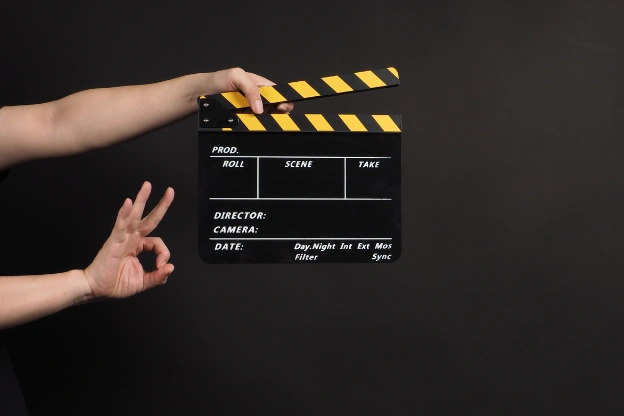
If you are serious about entering this profession, follow a practical approach.
Technology changes quickly. Continue improving your technical and creative skills.
Film production is collaborative. Professional relationships can be extremely valuable throughout your career.
| Skill | What You'll Learn |
|---|---|
| Introduction to Cinematography | Understand the fundamentals of cinematography, the role of a cinematographer and the importance of visual storytelling in films, television, OTT and digital media. |
| Camera Fundamentals & Operation | Learn professional camera operations, camera settings, sensor formats, recording formats, focus, exposure and essential techniques for handling cinema cameras. |
| Shot Composition & Framing | Develop skills in framing, shot sizes, camera angles, composition, perspective, visual balance and creating visually engaging shots for different scenes. |
| Lenses & Optics | Understand different types of lenses, focal lengths, depth of field, perspective, lens characteristics and how lens selection affects the visual style of a scene. |
| Lighting Techniques | Learn natural and artificial lighting, three-point lighting, key and fill lights, backlighting, light modifiers, exposure control and creative lighting techniques. |
| Camera Movement & Visual Language | Explore camera movements such as pan, tilt, tracking, dolly, handheld and gimbal shots while learning how movement can enhance storytelling and emotions. |
| Exposure, Focus & Camera Settings | Understand aperture, shutter speed, ISO, white balance, focus techniques, exposure control and other camera settings required for professional cinematography. |
| Colour Theory & Visual Style | Learn colour theory, colour psychology, colour temperature, visual mood and how colour choices can create a consistent cinematic look. |
| Location Cinematography | Learn how to assess locations, work with available light, plan camera setups and create effective visuals in indoor and outdoor shooting environments. |
| Cinematography for Film & Digital Media | Understand cinematography requirements for films, short films, music videos, advertisements, OTT content, web series and digital video production. |
| Practical Cinematography Projects | Gain hands-on experience through camera exercises, lighting setups, scene shoots, visual storytelling assignments and practical cinematography projects. |
| Portfolio & Career Preparation | Build a professional cinematography portfolio and develop practical skills for careers as a cinematographer, director of photography, camera operator, lighting professional and visual content creator. |
Cinematography may be a good fit if you:
It may not be ideal if you only want a quick career without practical training and consistent effort.
ECinematography and videography are closely related, but they are not exactly the same. Both involve cameras and video production, but their creative approach, responsibilities and working environments can be different.best Cinematography Institute in Noida, Videography, on the other hand, often focuses on capturing events, corporate content, interviews, weddings, social media videos and other real-time productions.
Understanding this difference can help students decide what type of career they want to build.
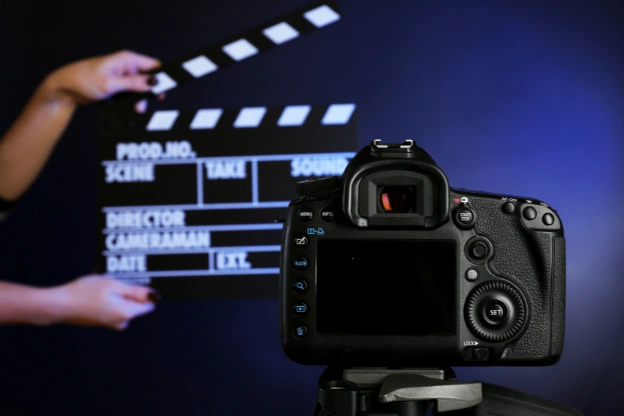
One of the biggest advantages of choosing Cinematography as a Career in India is the variety of professional directions available. You do not have to limit yourself to feature films. Different industries require professionals with cinematography and visual production skills.
The growth of YouTube, Instagram and other digital platforms has created additional demand for video professionals. Brands and creators increasingly require cinematic-looking content for digital campaigns.
Cinematography is a practical profession. Reading about cameras and watching tutorials can help build knowledge, but real improvement comes from actually shooting. This is why practical training should be an important factor when selecting a cinematography program.
Projects allow students to experience the complete production process. Instead of learning individual concepts separately, students can understand how camera, lighting, production design, direction and editing work together.
Completing a cinematography course does not mean that you have to immediately become a Director of Photography.
With experience, skills and a strong professional portfolio, a cinematographer can progress toward working as a Director of Photography.
Choosing a course is an important step for anyone planning a long-term Cinematography Career in India.
Workshops, guest sessions, shoots and professional interactions can help students understand the actual industry environment. For students comparing a Cinematography Institute in Noida and a Cinematography Institute in Delhi, these factors are more important than simply choosing a location.
A successful career in cinematography is usually built step by step. You may start by assisting on small projects, then move into camera operation and eventually take responsibility for the visual direction of larger productions. During this journey, focus on three things:
For someone building a Cinematography Career in Noida or a Cinematography Career in Delhi, being connected with the wider Delhi-NCR creative ecosystem can be especially useful. The most important thing is to keep creating, learning and improving rather than waiting for the perfect opportunity.
Knowing how to operate a camera is only one part of becoming a successful cinematographer. Professional productions require teamwork, planning and communication.
Punctuality, preparation, equipment care and professional communication are essential in the production industry. These skills can make a major difference when building long-term relationships in the industry.
hoosing Cinematography as a Career in India can be an exciting decision for students who are passionate about filmmaking and visual storytelling. The profession combines creativity and technology. A cinematographer does not simply capture images; they help create the visual language through which audiences experience a story. India's expanding film, OTT, advertising and digital content ecosystem provides multiple avenues for aspiring cinematographers. For students in the Delhi-NCR region, exploring a Cinematography Course in Noida or Cinematography Course in Delhi can be a practical first step toward structured learning.
Join RSFI's industry-focused Cinematography Course and master Camera Operation, Shot Composition, Framing, Lenses & Optics, Lighting Techniques, Camera Movement, Exposure & Focus, Colour Theory, Visual Storytelling, Location Cinematography, and practical cinematography projects through hands-on, industry-focused training.
Explore Cinematography Course🎭 Acting
🎬 Filmmaking
📸 Cinematography
🎞 Animation & VFX
🎭 Advertising, PR & Event
🎬 Music Production
📸 Still Photography
🏠 Interior Design
👗 Fashion Design
View Programs🎭 Short Term Program
🎬 Diploma Program
📸 Online Program
🎞 3 Years Diploma Programs
View ProgramsJoin RSFI's industry-focused Cinematography Course and master Camera Operation, Shot Composition, Framing, Lenses & Optics, Lighting Techniques, Camera Movement, Exposure & Focus, Colour Theory, Visual Storytelling, Location Cinematography, and practical cinematography projects through hands-on, industry-focused training.
Explore Cinematography Course