Photography is much more than taking a picture. It is the art of observing details, understanding light, composing a frame and communicating a story through a single image. From fashion campaigns and product advertisements to portraits, films, travel publications and social media, professional photography plays an important role in today's creative industries.Best Still Photography Course in Noida 2027
Noida and the wider Delhi NCR region offer access to educational institutions, advertising agencies, production houses, studios, e-commerce businesses and creative professionals. This makes the region worth considering for students who want to explore photography as a career. This guide explains what to look for in a photography institute, which skills to learn, how to choose a suitable course, what career opportunities may be available and how to prepare for Photography Admission 2027 in Noida.
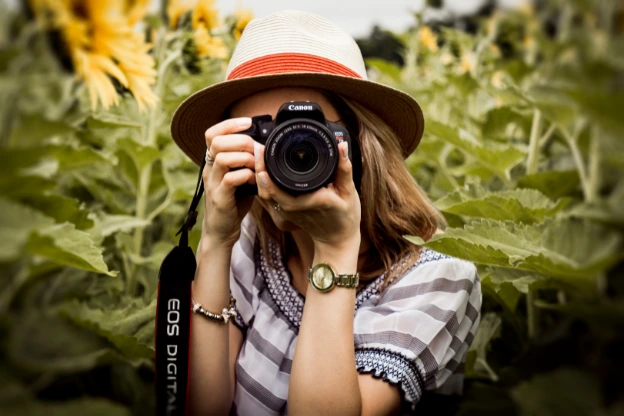
Still photography is the process of creating individual photographs that capture a subject, moment, object, place or visual idea. Unlike moving images, which communicate through a sequence of frames, still photographs rely on a single image to convey information, emotion or a story.
A still photograph can be a portrait, a product image, a fashion photograph, a landscape, a documentary image or a commercial advertisement. Each category requires a different approach to lighting, composition, camera settings and subject preparation.
For example, portrait photography focuses on the expression, personality and appearance of a person. Product photography highlights an object's features, texture and design. Fashion photography combines clothing, styling, models, lighting and visual direction to create a particular mood.
A structured Photography Course in Noida can provide a learning environment where beginners develop these abilities through guided practice, assignments and feedback.
Noida is part of the National Capital Region, which connects students with a broad range of creative and commercial activities. Depending on their skills and professional network, photography students may explore opportunities with studios, advertising agencies, fashion businesses, media organisations, e-commerce brands and independent clients.
Students who develop consistent technical skills and a strong portfolio may gradually pursue small assignments, assist established photographers or build an independent photography service. Professional growth depends on image quality, reliability, communication and the ability to meet a client's requirements.
A still photography course is a structured learning programme designed to teach the principles and practice of creating photographs. Depending on its duration and syllabus, a course may introduce beginners to camera operation or provide more advanced training in lighting, commercial photography, image editing and professional workflows.
When searching for a Professional Photography Course in Noida, read the actual syllabus rather than relying on the course title alone. Two institutes may use similar names while offering very different levels of practical training.
The best course is not necessarily the one with the most impressive advertisement or the longest list of equipment. It is the programme that provides relevant learning, suitable practice opportunities, transparent information and a realistic path towards your goals..
Before enrolling, verify the course duration, fees, equipment requirements, class schedule, assessment process and certificate or diploma details. Do not assume that every institute offers the same facilities, qualifications or career support. Confirm each point directly with the institution.
Searching online for the Best Still Photography Institute in Noida can produce many advertisements and institute listings. Instead of choosing solely by popularity, compare the quality and relevance of each programme.
These steps can help you identify a photography training institute that fits your needs instead of relying on unverified claims about which school is number one.
The exact syllabus varies between institutions, but the following modules represent useful subjects to look for when comparing a photography course.
The final stage may include a personal photography project, image selection, presentation, file organisation and preparation for professional assignments. Before enrolling, confirm which modules are actually included in your chosen course.
A successful photographer combines technical understanding with creative judgement and professional behaviour.
Outdoor weather, changing light, equipment issues and tight schedules can affect a photography assignment. The ability to adapt while maintaining image quality is an important professional skill.
Join the Photography Course in NoidaStudents often believe they need an expensive camera to begin learning photography. In reality, understanding the fundamentals is more important than purchasing the most advanced equipment immediately.
A computer with an appropriate display and image-editing software can help photographers review, organise and process their images. Before buying equipment for a course, check whether the institute provides access to cameras and accessories during practical classes. This can help you plan your budget sensibly.
Practical training is essential because photography involves decisions that cannot be mastered through theory alone. A student may understand aperture in a classroom but still need practice selecting the correct setting when photographing a moving subject or working in low light. Practical assignments allow students to apply concepts, examine results and improve through repetition
A strong learning process includes reviewing the results after each exercise. Students should understand not only which image looks better, but also why the exposure, composition, lighting or background contributed to the result.
Turn your passion for photography, creativity, and visual storytelling into a professional career with industry-focused Still Photography training in Noida. Learn camera operations, exposure settings, aperture, shutter speed, ISO, lens selection, composition, framing, lighting techniques, portrait photography, product photography, fashion photography, and photo editing while gaining practical experience through real-world photography projects and studio shoots. Develop the technical knowledge and creative skills needed to build a successful career in professional photography.
Book Now →Still photography includes several specialisations. Exploring different genres during training can help students identify their strengths and interests.
Advertising photography communicates a product, service or brand idea through carefully planned visuals. Assignments may require concept development, art direction, lighting and collaboration with a production team. A professional photography course should help students understand these options, even if advanced specialisations require additional training or experience.
Completing a photography course can help students build the skills needed to pursue different creative roles. However, employment and income depend on practical ability, portfolio quality, market demand, location, professional relationships and experience.
Photography skills can also complement careers in filmmaking, advertising, digital publishing and social media content creation. Students should research the requirements of their chosen career and build a portfolio relevant to the work they want to pursue.
One of the most common questions students ask when searching for a Photography Course in Noida is how much the programme costs and how long it takes. There is no single fee or duration that applies to every photography institute. The cost depends on the syllabus, length of the course, practical facilities, equipment access, software, teaching format and qualification offered.
Not always. Some courses may provide equipment during training, while others may require students to bring their own camera. Confirm the policy before enrolling or purchasing expensive equipment.
A portfolio is one of the most useful tools for demonstrating photography skills. It allows prospective clients, employers and collaborators to assess the quality, consistency and style of your work. Students should begin building a portfolio during their learning journey rather than waiting until the course ends.
Review your portfolio regularly. Replace weaker images as your skills improve and create new projects that demonstrate your development. A well-organised portfolio can support applications, freelance enquiries and discussions with potential collaborators, although it cannot guarantee employment.
Students searching for the Best Photography Training Institute in Delhi NCR can compare programmes across Noida, Delhi and nearby areas. The region's creative and commercial ecosystem includes businesses that may require photography for advertising, products, fashion, events, editorial content and digital platforms. Opportunities differ by specialisation and individual experience.
The phrase Best Photography Institute in Delhi NCR is useful as a search term, but a student's best choice depends on their learning needs, budget and career plans. Review actual course details before making a decision.
Turn your passion for photography, cameras, and creative storytelling into a professional career with industry-focused Still Photography training in Noida. Learn camera handling, lens selection, exposure control, aperture, shutter speed, ISO, lighting techniques, shot composition, framing, portrait photography, product photography, fashion photography, and photo editing while gaining hands-on experience in studio shoots, outdoor photography, commercial projects, and professional camera operations to build a successful career in fashion, advertising.
Book Now →Still photography and filmmaking share several foundations, including lighting, composition, camera operation and visual storytelling. Learning how these disciplines relate can help students better understand image-making across different media .Before choosing RSFI or any other Photography Institute in Noida 2027, prospective students should:
Choose a programme based on verified details and your own goals. This approach is more reliable than assuming that every institute offers identical training or guaranteed professional outcomes.
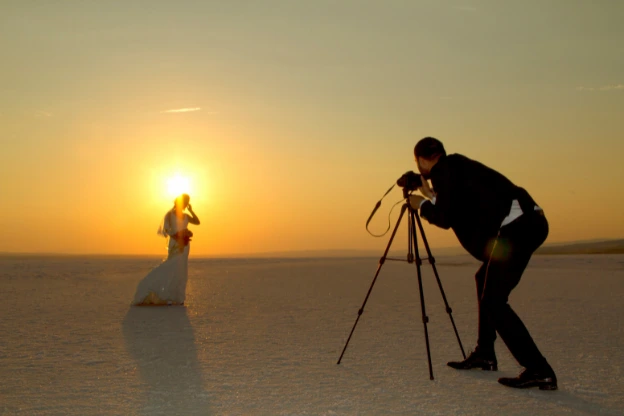
If you plan to apply for a photography course in 2027, preparing early can make the admission process easier.
Once enrolled, practise regularly, maintain a photography notebook, organise your files and save your strongest images for future portfolio development. Early preparation can help you make a more informed decision and begin your training with clear expectations.
You do not have to wait until you own professional equipment to begin developing photography skills.
Create small projects. A series of ten well-planned product photographs or a carefully edited portrait collection can teach more than taking hundreds of unrelated pictures. Stay consistent. Progress comes from repeated practice, thoughtful review and a willingness to improve.
| Skill | What You'll Learn |
|---|---|
| Introduction to Still Photography | Understand the fundamentals of still photography, camera technology, photographic terminology, visual storytelling, and the role of a professional photographer in the creative industry. |
| Camera Operations & Handling | Learn professional camera handling, camera settings, shooting modes, focus control, white balance, ISO, shutter speed, and aperture to capture high-quality photographs. |
| Lens Selection & Camera Optics | Explore prime and zoom lenses, focal lengths, depth of field, perspective, lens characteristics, and selecting the right lens for portraits, landscapes, products, and commercial photography. |
| Exposure & Image Control | Understand the exposure triangle, aperture, shutter speed, ISO, exposure metering, histogram reading, dynamic range, and techniques for achieving properly exposed photographs. |
| Photography Lighting Techniques | Learn natural and artificial lighting, key light, fill light, backlight, reflectors, diffusers, shadows, and lighting setups for portrait, fashion, product, and commercial photography. |
| Composition & Framing Techniques | Master the rule of thirds, leading lines, symmetry, patterns, perspective, negative space, visual balance, and professional composition techniques for impactful photographs. |
| Portrait Photography | Learn portrait lighting, posing techniques, facial expressions, background selection, subject positioning, eye focus, and camera settings to capture expressive and professional portraits. |
| Colour Theory & Visual Aesthetics | Understand colour harmony, colour temperature, white balance, contrast, tones, visual mood, and the use of colour to create attractive and emotionally engaging photographs. |
| Advanced Photography Lighting & Equipment | Gain practical knowledge of studio flashes, speedlights, LED lights, softboxes, reflectors, umbrellas, light stands, and other equipment used in professional photography studios. |
| Outdoor & Natural Light Photography | Learn to photograph outdoors, work with changing daylight, manage harsh sunlight, use reflectors, select suitable locations, and capture visually appealing images in natural light. |
| Indoor & Studio Photography | Understand studio lighting, background selection, subject placement, exposure management, lighting ratios, and controlled shooting techniques for professional indoor photography. |
| Focus, Sharpness & Depth of Field | Learn autofocus and manual focus, focus points, depth of field, background blur, sharpness control, and techniques for highlighting subjects through precise focusing. |
| Landscape & Travel Photography | Explore landscape composition, perspective, natural lighting, weather conditions, location scouting, and camera techniques for capturing landscapes, architecture, and travel experiences. |
| Product & Commercial Photography | Learn product styling, background preparation, lighting control, reflections, shadow management, detail photography, and image composition for e-commerce and commercial campaigns. |
| Fashion & Model Photography | Understand model posing, fashion lighting, creative concepts, wardrobe coordination, background selection, composition, and techniques for creating professional fashion portfolios and editorial images. |
| Event & Candid Photography | Learn event coverage, candid shooting, low-light photography, action timing, composition, flash techniques, and capturing important moments at weddings, celebrations, and corporate events. |
| Food & Lifestyle Photography | Explore food styling, lifestyle composition, natural lighting, prop selection, colour coordination, and creative techniques for producing engaging photographs for brands, restaurants, and social media. |
| Photo Editing & Image Retouching | Learn essential photo editing techniques, exposure correction, colour adjustments, cropping, skin retouching, blemish removal, image sharpening, and professional workflow using photography editing software. |
| Practical Photography Projects | Gain hands-on experience through camera exercises, portrait sessions, product shoots, outdoor assignments, studio photography, and collaborative projects to strengthen practical photography skills. |
| Professional Photography Portfolio Project | Apply your skills to create a professional photography portfolio featuring selected images, creative concepts, lighting techniques, subject direction, photo editing, and final image presentation. |
| Professional Photography & Career Preparation | Develop practical knowledge and industry skills for career opportunities as a Professional Photographer, Portrait Photographer, Fashion Photographer, Product Photographer, Event Photographer, Commercial Photographer, or Photo Editor. |
Digital photography has become an essential part of advertising, fashion, e-commerce, media production and online content creation. Students who want to develop professional photography skills should understand how to operate a camera and use its settings to achieve the desired visual result. A well-structured digital photography course may also introduce students to RAW and JPEG image formats, memory card management, image backup and basic post-production workflows.
Choosing a suitable Professional Photography Course in Noida can help beginners build a foundation before exploring specialised areas such as fashion, product, portrait or commercial photography.
Studio photography is an important skill for photographers who want to work with portraits, fashion, products, advertising and commercial campaigns. Unlike outdoor photography, a studio environment allows the photographer to control many aspects of lighting, background and subject placement.
A photography training programme that includes studio assignments can help students understand how lighting decisions influence the final result. When comparing Photography Institutes in Noida, ask whether studio access, lighting equipment and supervised practical sessions are included in the course.
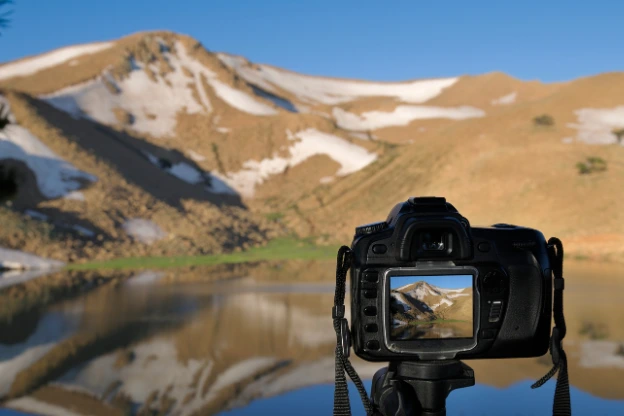
Fashion photography combines photography, styling, lighting, composition and visual storytelling. It is used in clothing advertisements, model portfolios, fashion magazines, designer campaigns, e-commerce catalogues and promotional content.
A fashion shoot requires more than a good camera. The photographer must understand how clothing, movement, lighting and expressions work together within a frame. Students can begin by creating small themed projects and gradually develop a portfolio that demonstrates their creative approach.
Product photography is widely used by online stores, manufacturers, advertising agencies and consumer brands. Clear and visually appealing product images help customers understand an item's design, colour, texture and features.
Photographers can also develop specialised services for jewellery, cosmetics, clothing, electronics, furniture and food products. Students considering the Best Photography Institute in Noida should ask whether the curriculum includes hands-on product shoots and editing assignments rather than focusing only on camera theor
A photography portfolio is a carefully selected collection of images that demonstrates your skills, style and ability to complete different types of assignments. It can help prospective employers, clients and collaborators understand the kind of work you produce.
A portfolio does not guarantee employment, but it provides practical evidence of your abilities. It can also help you identify areas where additional training is needed.
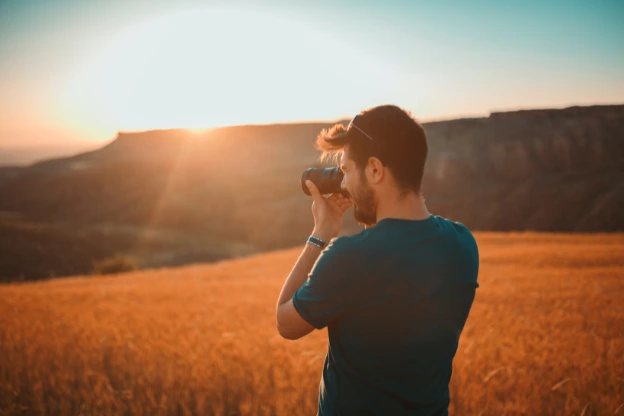
Commercial photography involves creating images for businesses, brands, advertisements, publications and promotional campaigns. Unlike personal photography projects, commercial assignments usually have a specific purpose and set of client requirements.
A Professional Photography Course in Noida can be a starting point for developing the technical skills needed for this work. Students should also practise project planning, communication and portfolio presentation.
Selecting a photography programme requires careful comparison. Course names alone do not reveal the quality of teaching, amount of practical work or suitability for a particular career goal.
For Photography Admission 2027 in Noida, verify the current application dates, eligibility, available batches and required documents directly with the institute. Students considering Ravi Sarin Film Institute (RSFI), Sector 3, Noida, can contact the institute through its official website to enquire about available photography programmes and current admission details.
One of the most common questions students ask when searching for a Photography Course in Noida is how much the programme costs and how long it takes. There is no single fee or duration that applies to every photography institute. The cost depends on the syllabus, length of the course, practical facilities, equipment access, software, teaching format and qualification offered.
Not always. Some courses may provide equipment during training, while others may require students to bring their own camera. Confirm the policy before enrolling or purchasing expensive equipment.
Photography combines technical knowledge, creative thinking, patience and a strong understanding of visual communication. Whether you want to photograph people, products, fashion, events or everyday life, learning the fundamentals can help you produce more intentional and effective images. When researching the Best Still Photography Course in Noida 2027, look beyond advertisements and compare the actual learning experience. A useful programme should help you understand camera operation, lighting, composition, editing and professional workflow while giving you opportunities to practise and improve. Students exploring photography education in Noida can consider Ravi Sarin Film Institute (RSFI), located in Sector 3, and contact the institute to verify current still photography course options, facilities and admission details.
Join RSFI's industry-focused Still Photography Course and master Professional Camera Operations, Camera Handling, Lens Selection, Photography Lighting Techniques, Shot Composition, Framing, Exposure Control, Portrait Photography, Fashion Photography, Product Photography, Event Photography, Outdoor Photography, Studio Photography, Colour Theory, Photo Editing, Image Retouching and Professional Photography Portfolio Development.
Explore Still Photography Course🎭 Acting
🎬 Filmmaking
📸 Cinematography
🎞 Animation & VFX
🎭 Advertising, PR & Event
🎬 Music Production
📸 Still Photography
🏠 Interior Design
👗 Fashion Design
View Programs🎭 Short Term Program
🎬 Diploma Program
📸 Online Program
🎞 3 Years Diploma Programs
View ProgramsJoin RSFI's industry-focused Still Photography Course and master Professional Camera Operations, Camera Handling, Lens Selection, Photography Lighting Techniques, Shot Composition, Framing, Exposure Control, Portrait Photography, Fashion Photography, Product Photography, Event Photography, Outdoor Photography, Studio Photography, Colour Theory, Photo Editing, Image Retouching and Professional Photography Portfolio Development.
Explore Still Photography Course