Have you ever watched a movie and wondered how a simple idea becomes a powerful story on screen? Perhaps you dream of directing your own film, working behind the camera, writing scripts, or creating videos that people love to watch. If filmmaking interests you, learning the craft professionally can be an important step towards turning your passion into a career best filmmaking course in Noida in 2027
Noida, located in the Delhi NCR region, provides an interesting environment for students interested in film production, media, photography and digital content. Among the institutes you can explore is Ravi Sarin Film Institute (RSFI), which offers programmes related to filmmaking and other creative disciplines.
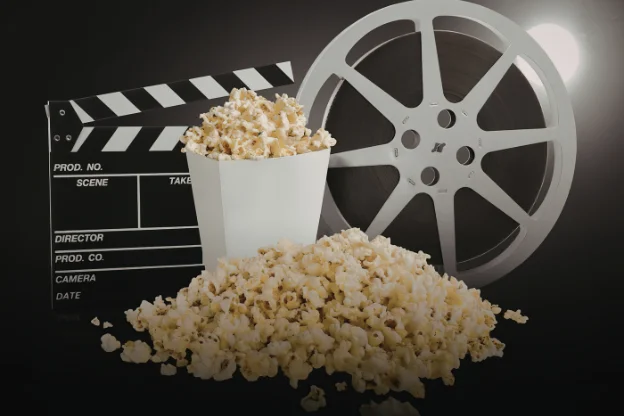
Filmmaking is the process of creating films and videos, beginning with an idea and continuing through planning, shooting, editing and final production. It combines creative storytelling with technical skills to communicate emotions, information and experiences through moving images and sound.
A filmmaker may work on feature films, short films, documentaries, advertisements, web series, music videos or digital content. Although these formats differ, they share several important principles, including visual storytelling, planning, composition, sound and editing.
Filmmaking is also a collaborative profession. Directors work with actors and cinematographers, production teams manage schedules and locations, editors shape the footage, and sound professionals help create the final experience.
Understanding these stages helps aspiring filmmakers see how individual creative decisions contribute to a complete production.
Noida is an important location for students exploring film, television, advertising and digital media. Its connection with Delhi NCR provides access to a wider urban environment where creative businesses, production teams and media-related opportunities can be explored.
Film City in Noida is one of the region's recognised media hubs. The surrounding area also provides an environment for developing projects related to advertising, interviews, promotional videos, photography and digital storytelling.
However, location alone should not determine your choice. Before enrolling, compare the curriculum, faculty experience, practical facilities, course duration and opportunities to complete projects.
Many people begin their filmmaking journey by recording videos on smartphones or watching online tutorials. These are useful ways to explore the basics, but professional training can provide a more organised learning experience.
Filmmaking education can introduce you to several specialisations, including direction, cinematography, editing, screenwriting and production management.
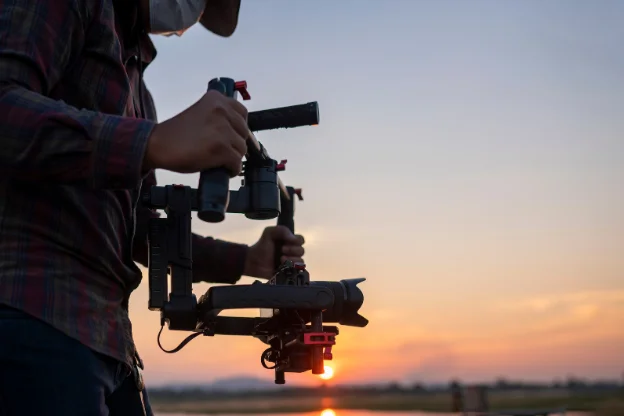
The institute was founded by Ravi Sarin, a film industry professional with extensive experience as a Bollywood line producer. Students interested in filmmaking can explore RSFI's available programmes to understand which option best matches their educational and career goals.
The exact subjects and facilities can differ between programmes. Contact the institute to confirm the latest syllabus, equipment access, teaching schedule and project requirements before applying.
The exact syllabus depends on the selected programme. A well-rounded filmmaking curriculum generally introduces students to the creative, technical and organisational aspects of film production.
A film production depends on people with different skills and responsibilities. Clear communication, respect for deadlines and an understanding of team roles are essential professional habits. These skills are useful whether you work on an independent short film or become part of a larger production team.
Reading about filmmaking introduces useful concepts, but practical work helps students understand how those concepts operate in real situations.
When comparing filmmaking institutes, ask how practical work is assessed, what facilities students can access and whether individual as well as collaborative projects are included.
Filmmaking education can introduce you to several creative and technical career paths. Your opportunities depend on your abilities, portfolio, specialisation, practical experience and the availability of suitable work.
Music videos and advertisements combine visual planning, storytelling and production coordination. Filmmakers may collaborate with artists, brands, agencies and independent clients.
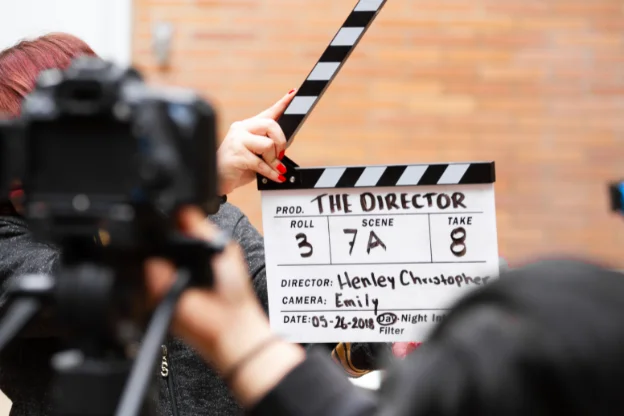
Join the filmmaking career After 12th 2027There is no single salary figure that accurately represents every filmmaking career. Earnings depend on the role, experience, location, employer, project budget and type of work.
When researching an institute, ask about career guidance, internships and placement assistance. Clarify what support is offered rather than assuming a guaranteed job.
Choosing a filmmaking institute is an important decision. Compare the available programmes using practical criteria rather than relying only on advertisements.
Turn your passion for storytelling, cinema, and creativity into a professional career with industry-focused Filmmaking training in Noida. Learn scriptwriting, story development, direction, cinematography, camera operations, lighting techniques, shot composition, film editing, screenplay development, production planning, and filmmaking techniques while gaining practical experience to build a successful career in the film, television, and digital media industry.
Book Now →When comparing filmmaking courses in Noida, it is worth investigating what each institute offers beyond its course title.
Ravi Sarin Film Institute provides programmes related to film, media and creative education. Its founder, Ravi Sarin, has extensive experience as a Bollywood line producer, bringing a production-oriented professional background to the institute's identity.
Students interested in related disciplines can also explore areas such as acting, cinematography, still photography, animation and VFX, and video editing. Understanding these connected fields can help aspiring filmmakers discover which specialisation suits them best.
A portfolio allows you to demonstrate your abilities through actual work. You do not need to wait until you own professional equipment or have a large production budget.
Keep your strongest projects in a digital portfolio. Add clear titles, short descriptions and working links. Update it as your abilities improve. A few well-planned and completed projects can be more useful than a large collection of unfinished videos.
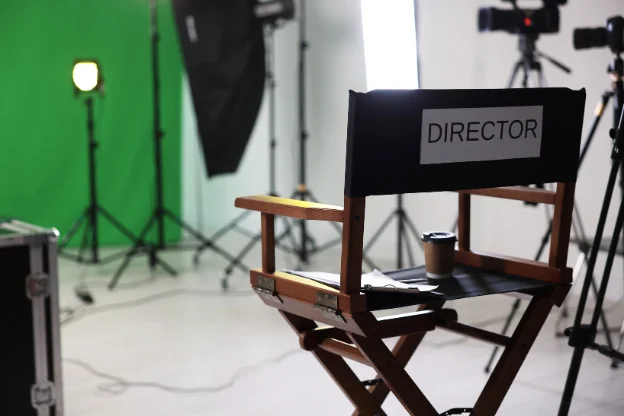
Filmmaking continues to evolve alongside changes in digital platforms, audience habits and production technology. Cinema remains important, while OTT content, online video, advertising and independent production provide additional areas for creative work.
Technology will continue to change. Learners who understand the principles behind their tools can adapt more effectively to new production methods and platforms. Students preparing for a filmmaking career in 2027 should focus on building transferable skills, practising consistently and producing original work.
Film production equipment can appear complicated to beginners, but learning the purpose of each tool makes the process easier. The right equipment depends on the project, available budget and production requirements.
Film editing is more than joining one shot to another. It determines the rhythm, structure and flow of the story. Even when the footage is recorded well, thoughtful editing is necessary to create a coherent final experience.p>
Turn your passion for storytelling, cinema, and creativity into a professional career with industry-focused Filmmaking training in Noida. Learn scriptwriting, film direction, cinematography, camera operations, lighting techniques, shot composition, screenplay development, film editing, sound recording, production planning, and visual storytelling while gaining practical skills to build a successful career in the film, television, web series, and digital media industry.
🎬 Build Your Career in Filmmaking
Film editing is more than joining one shot to another. It determines the rhythm, structure and flow of the story. Even when the footage is recorded well, thoughtful editing is necessary to create a coherent final experience.
Record a short conversation from several camera positions. Import the footage into editing software, arrange the shots and create a clear sequence. Then review the scene for continuity, sound quality and pacing. This exercise helps students understand how editing influences the audience's experience. For related training options, visit RSFI programmes.

Production planning is an important part of filmmaking because creative ideas must be completed within available time and resources. Even a small short film benefits from a basic budget and shooting schedule.
Good planning helps filmmakers use limited resources effectively. It also creates more time to focus on performances, camera work and other creative decisions during the shoot. Students can practise these skills by preparing a budget, shot list and one-day shooting schedule for a short film before recording any footage.
Creative work involves more than producing attractive visuals. Filmmakers also need to understand the importance of permissions, copyright and responsible use of other people's work. Using protected music, photographs, film clips or other material without appropriate permission can create legal and distribution problems.
Learning these basics can help aspiring filmmakers develop responsible production habits and prepare projects for professional use.
| Skill | What You'll Learn |
|---|---|
| Introduction to Filmmaking | Understand the fundamentals of filmmaking, the film industry, different film genres, filmmaking terminology and the roles and responsibilities of a filmmaker. |
| Storytelling & Screenplay Writing | Learn storytelling techniques, story structure, plot development, character creation, screenplay formatting, scene writing and script development for films and digital content. |
| Film Direction & Creative Vision | Understand the role of a film director, creative vision, scene planning, actor direction, visual storytelling and the process of transforming a script into a film. |
| Cinematography & Camera Techniques | Learn camera operations, shot composition, framing, camera angles, camera movements, lens selection, exposure and cinematography techniques for professional filmmaking. |
| Lighting Techniques for Film | Explore natural and artificial lighting, three-point lighting, light placement, shadows, mood creation and cinematic lighting techniques for different scenes. |
| Shot Composition & Visual Storytelling | Learn composition rules, shot sizes, visual balance, perspective, depth, screen direction and techniques to communicate emotions and stories through visuals. |
| Film Production Planning | Understand pre-production planning, script breakdown, budgeting, scheduling, location scouting, production design, crew coordination and shooting preparation. |
| Production Design & Art Direction | Learn the fundamentals of production design, set planning, props selection, costumes, locations, colour palettes and creating visual environments that support a film's story. |
| Acting Direction & Performance | Understand actor collaboration, character interpretation, scene blocking, performance direction, rehearsal techniques and communicating creative ideas to actors. |
| Sound Recording & Film Audio | Learn dialogue recording, microphone techniques, location sound, ambient sound, sound monitoring and the importance of clear audio during film production. |
| Film Editing & Post-Production | Understand editing principles, shot selection, continuity editing, scene assembly, pacing, transitions and the post-production workflow for films and video projects. |
| Colour Grading & Visual Enhancement | Learn colour correction, colour grading fundamentals, cinematic colour styles, exposure matching and techniques for creating a consistent visual look. |
| Visual Effects (VFX) Fundamentals | Explore the fundamentals of visual effects, green-screen shooting, compositing, visual enhancement and integrating effects into film and digital video projects. |
| Film Genres & Cinematic Techniques | Study different film genres, cinematic styles, storytelling approaches and visual techniques used in short films, feature films, documentaries and web content. |
| Documentary Filmmaking | Learn documentary research, subject development, interview planning, real-location shooting, factual storytelling and techniques for creating engaging documentaries. |
| Short Film Production | Understand the complete short film production process, from concept development and scriptwriting to casting, shooting, editing and final presentation. |
| Digital Filmmaking & Content Creation | Learn filmmaking techniques for digital platforms, web series, branded videos, promotional films, YouTube content and other online video formats. |
| Film Distribution & Marketing | Understand film promotion, trailer creation, poster development, festival submissions, distribution channels, audience engagement and digital marketing fundamentals. |
| Practical Filmmaking Projects | Gain hands-on experience through practical exercises involving camera operations, lighting setups, directing scenes, sound recording, shot planning and collaborative film production. |
| Professional Film Project | Apply your filmmaking skills to develop a complete film project covering concept development, screenplay, pre-production, direction, cinematography, sound, editing and final screening. |
| Professional Filmmaking & Career Preparation | Build practical knowledge and professional skills for career opportunities as a Filmmaker, Assistant Director, Screenwriter, Cinematographer, Camera Operator, Film Editor, Production Assistant and Content Creator. |
Building a career in filmmaking involves more than completing a course. Students also need to understand professional responsibilities, develop practical skills and learn how production teams operate.
When selecting a filmmaking institute, ask whether career guidance, practical projects or internship opportunities are available as part of the chosen programme. For current course and admission information, visit the RSFI official website.
Many aspiring filmmakers wonder whether they should join a professional course or learn independently through online videos and personal projects. Both approaches can be useful, depending on your learning style and goals.
You can also combine both approaches by joining a course and continuing to develop personal projects outside the classroom.
Before making a decision, compare course content, practical opportunities, total fees and your available time.
To investigate structured filmmaking education in Noida, explore RSFI programmes.
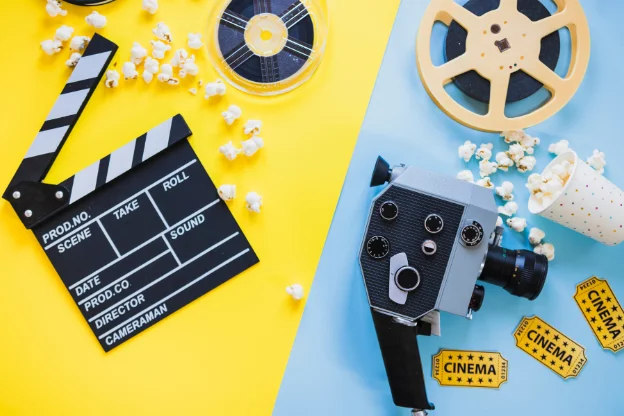
Filmmaking is not limited to Bollywood movies or large-budget productions. There are several types of films and video projects, each with its own purpose, audience and production requirements. Understanding these formats can help students identify the areas they would like to explore.
Businesses use videos for interviews, training, product demonstrations, internal communication and marketing. These projects can offer opportunities to develop practical production and client communication skills.
A film director plays an important role in translating a written story into a visual experience. Directors help establish the creative direction of a project and work with different departments to bring the intended vision to life.
Students should begin developing their portfolio during their course rather than waiting until graduation.
A filmmaking resume and showreel help communicate your abilities when applying for internships, assistant roles, freelance projects or other creative opportunities. A resume summarises your experience and skills, while a showreel provides visual evidence of your work.
Students should begin developing their portfolio during their course rather than waiting until graduation.
Film production equipment can appear complicated to beginners, but learning the purpose of each tool makes the process easier. The right equipment depends on the project, available budget and production requirements.
Video files can occupy substantial storage space. Organising footage into clearly labelled folders and maintaining backups can prevent unnecessary problems during post-production. Before enrolling in a filmmaking course, ask which equipment and facilities are available for student use. This helps you understand what practical resources are included in the programme. Visit the RSFI official website to explore the institute and its available courses.
Filmmaking brings together creativity, technical knowledge, teamwork and practical experience. From developing an original story to directing a scene and editing the final footage, every stage offers an opportunity to learn and improve.
If you are looking for the best filmmaking course in Noida in 2027, take time to compare programmes, understand their curricula and identify the skills you want to develop. Consider the course duration, learning format, practical opportunities, facilities and total fees before making a decision.
Ravi Sarin Film Institute (RSFI) offers filmmaking study options that prospective students can explore while planning their education in film and digital media. Reviewing the official course information and speaking with the admissions team can help you determine whether a programme matches your goals
Join RSFI's industry-focused Filmmaking Course and master Scriptwriting, Film Direction, Cinematography, Camera Operations, Lighting Techniques, Shot Composition, Screenplay Development, Film Editing, Sound Recording, Production Planning, Visual Storytelling and Professional Film Project Development.
Explore Fashion Design Course🎭 Acting
🎬 Filmmaking
📸 Cinematography
🎞 Animation & VFX
🎭 Advertising, PR & Event
🎬 Music Production
📸 Still Photography
🏠 Interior Design
👗 Fashion Design
View Programs🎭 Short Term Program
🎬 Diploma Program
📸 Online Program
🎞 3 Years Diploma Programs
View ProgramsJoin RSFI's industry-focused Filmmaking Course and master Scriptwriting, Film Direction, Cinematography, Camera Operations, Lighting Techniques, Shot Composition, Screenplay Development, Film Editing, Sound Recording, Production Planning, Visual Storytelling, Short Film Production and Professional Portfolio Development.
Explore Fashion Design Course