Have you ever watched a movie scene that left you speechless because of its breathtaking visuals? Whether it's a dramatic sunset, an emotional close-up, or an action-packed sequence, the magic behind those unforgettable shots comes from the creative vision of a cinematographer.
Cinematography is much more than operating a camera. It is the art of transforming stories into visually compelling experiences through lighting, composition, camera movement, framing, and creative storytelling. Every film, web series, television commercial, music video, documentary, and digital advertisement depends on skilled cinematographers to create memorable visuals that connect with audiences.
As a result, thousands of students are now searching for the Best Cinematography Institute in Noida
to build successful careers in filmmaking. Choosing the right institute is one of the most important decisions because professional training provides not only technical knowledge but also practical experience, industry exposure, and portfolio development that employers value.

Cinematography is the creative and technical process of capturing moving images that communicate emotions, ideas, and stories. It combines artistic vision with technical expertise to produce visually engaging films and videos. A cinematographer, also known as the Director of Photography (DOP), works closely with directors to decide how every scene should look on screen. Their role goes far beyond pressing the record button—they are responsible for shaping the visual identity of a project.
Today's cinematographers work on a wide range of productions, including feature films, web series, documentaries, advertisements, music videos, television shows, live events, corporate films, wedding cinematography, and digital content for social media. The demand for professionals who can combine creativity with technical excellence continues
A career in cinematography offers far more than working behind a camera. It allows creative individuals to tell stories, inspire audiences, travel to new locations, collaborate with talented professionals, and contribute to projects that entertain, educate, and influence people. Unlike many traditional professions, cinematography combines art with technology. Every project presents a new creative challenge, making the work dynamic and rewarding. Some of the biggest reasons students are choosing cinematography today include:
The filmmaking landscape has transformed significantly over the last decade. High-quality video content is now essential across almost every industry, creating countless opportunities for trained cinematographers. Several factors are driving this demand:
A successful cinematographer develops expertise in both technical knowledge and artistic storytelling. Mastering these skills helps professionals create visually compelling content across different genres.
Cinematographers work closely with directors, actors, editors, art directors, sound teams, and lighting professionals to achieve the creative vision of each project.
The filmmaking industry continues to evolve with advancements in technology and changing audience expectations. Staying updated with these trends can help aspiring cinematographers remain competitive.
Brands and creators now need cinematic vertical videos optimized for platforms like Instagram Reels, YouTube Shorts, and other mobile-first formats.
The demand for skilled cinematographers is expected to reach new heights by 2027. As technology continues to transform the entertainment industry, the need for professionals who can create visually compelling content is increasing across films, OTT platforms, digital marketing, corporate communication, sports broadcasting, and social media. Unlike traditional careers where opportunities are limited to one industry, cinematography opens doors to multiple creative fields. Whether you dream of working on Bollywood films, Netflix web series, television commercials, documentaries, luxury weddings, or YouTube productions, professional training can help you build the technical expertise and confidence needed to succeed. Today's cinematographers are not just camera operators—they are visual storytellers responsible for bringing scripts and ideas to life through composition, lighting, camera movement, and creative framing.
The media landscape has changed dramatically over the past few years. Businesses, filmmakers, influencers, and organizations all rely on high-quality video content to connect with audiences. This shift has significantly increased the need for trained cinematographers.
One of the biggest advantages of learning cinematography is the wide variety of career paths available. Depending on your interests and experience, you can specialize in different areas of filmmaking and video production.
A common misconception is that cinematographers only work in the film industry. In reality, almost every industry now uses professional video content.
Building a successful career requires more than theoretical knowledge. Practical training with professional cameras, lighting setups, and real production workflows helps students gain confidence before entering the industry. To understand how hands-on learning can prepare you for these opportunities, explore our Professional Cinematography Diploma and discover how practical training can shape your filmmaking journey.
Technology continues to reshape the entertainment industry, creating exciting possibilities for future cinematographers.
Join the Film Making Course in Noida Noida has rapidly emerged as one of North India's leading media and entertainment hubs. Its proximity to Delhi, modern infrastructure, active production ecosystem, and growing creative industry make it an ideal location for aspiring filmmakers.
A successful career in cinematography doesn't begin on a film set—it begins with the right education, consistent practice, and guidance from experienced professionals. Many aspiring cinematographers make the mistake of focusing only on cameras. While learning camera operations is important, the film industry looks for professionals who understand visual storytelling, lighting, shot composition, production workflow, teamwork, and creative problem-solving. The institute you choose should help you develop these skills through practical learning rather than relying only on classroom lectures.
These elements can make a significant difference when you begin your professional journey.
Learn Camera Handling, Lighting Techniques, Shot Composition, Visual Storytelling & Professional Filmmaking with hands-on practical training.
Book Now →Located in Noida, Ravi Sarin Film Institute (RSFI) has earned recognition for offering industry-focused education in filmmaking and media. The institute emphasizes practical learning, creative development, and real-world production experience, helping students gain confidence before entering the professional industry. Rather than limiting students to theoretical concepts, RSFI encourages them to apply their knowledge through workshops, projects, and collaborative productions. Ravi Sarin Film Institute (RSFI) Rather than limiting students to theoretical concepts, RSFI encourages them to apply their knowledge through workshops, projects, and collaborative productions.
Professional cinematography training goes beyond understanding camera settings. It prepares students to manage every visual aspect of a production—from pre-production planning to the final frame.
One of the biggest advantages of professional education is consistent practical experience. At RSFI, students are encouraged to spend significant time behind the camera rather than only observing demonstrations.
These activities help students become comfortable working in different production environments while developing technical confidence and creative problem-solving skills.
A strong portfolio often speaks louder than a resume in the creative industry. Throughout their learning journey, students can work on projects that demonstrate their understanding of:
Professional training becomes more meaningful when students work with equipment similar to what is used in the industry. Depending on course resources and project requirements, students may gain exposure to:
Starting a career in cinematography often involves building connections, developing a portfolio, and understanding industry expectations.
Learn Camera Handling, Lighting Techniques, Shot Composition, Visual Storytelling & Professional Filmmaking with hands-on practical training.
Book Now →Whether your goal is to work in films, television, digital media, or as a freelance editor, structured training can help you build confidence and industry-ready skills.
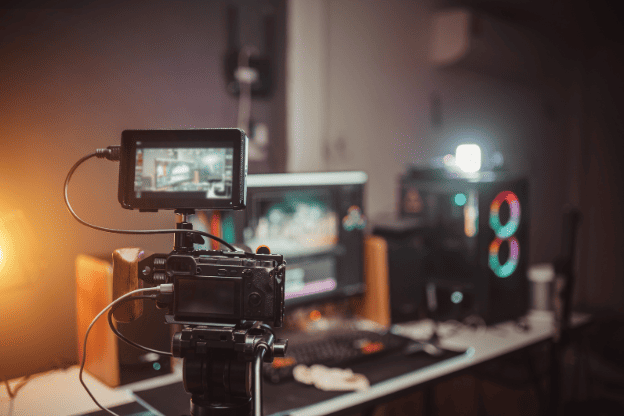
Reading about cinematography is valuable, but mastering it requires practical experience. Many beginners spend months watching tutorials online without ever holding a professional camera. While online resources are helpful, real learning begins when you start shooting. Professional cinematographers develop their skills through consistent practice, experimentation, and hands-on experience.
Professional cinematographers work with much more than cameras. Understanding filmmaking equipment helps students become more confident during live productions. Some of the most commonly used equipment includes:
| Skill | What You'll Learn |
|---|---|
| Camera Operations | Hands-on training with DSLR, Mirrorless & Cinema Cameras. |
| Lighting Techniques | Create cinematic lighting for indoor and outdoor shoots. |
| Shot Composition | Master framing, angles, camera movement and visual storytelling. |
| Lens Knowledge | Understand focal lengths, depth of field and lens selection. |
| Color & Exposure | Learn ISO, Aperture, Shutter Speed, White Balance and Color Theory. |
| Practical Shoots | Work on short films, music videos, advertisements and documentaries. |
| Equipment Handling | Use Gimbals, Tripods, Sliders, Drones and Professional Lighting Kits. |
| Industry Projects | Build a professional portfolio with real production experience. |
Over the last decade, Noida has emerged as one of North India's fastest-growing hubs for media, filmmaking, digital content, and television production. With its modern infrastructure, production studios, and close proximity to Delhi, the city offers aspiring cinematographers excellent opportunities to learn and grow.
Many production companies, agencies, and creators operate from the Delhi NCR region, making Noida an ideal destination for students who want to combine quality education with industry exposure. If you're looking to start your filmmaking journey with practical training and guidance from experienced mentors, explore our Diploma in Cinematography and discover how professional education can help you build a successful career behind the camera.
Every cinematographer starts somewhere, but avoiding common mistakes can accelerate your growth. Some of the most frequent beginner mistakes include:
Choosing the right institute is one of the most important decisions for anyone planning to build a successful career in cinematography. While many institutes offer filmmaking or camera courses, not all provide the practical exposure, industry mentorship, and professional environment needed to prepare students for real-world productions.
The world of visual storytelling is evolving faster than ever, creating exciting opportunities for aspiring cinematographers. From blockbuster films and OTT originals to commercials, documentaries, weddings, sports, and digital content, skilled professionals are needed across almost every corner of the media and entertainment industry. Success in cinematography is not determined by owning an expensive camera—it comes from understanding storytelling, mastering lighting, developing technical expertise, and continuously refining your creative vision. With dedication, practical experience, and guidance from experienced mentors, you can build a rewarding career in this dynamic field. Choosing the right institute is one of the most important decisions in your journey. An institute that combines structured learning with real-world production experience can help you develop both the confidence and the portfolio needed to enter the industry.
Join RSFI's industry-focused Cinematography Course and master Camera Operations, Cinematic Lighting, Shot Composition, Lens Techniques, Visual Storytelling, Camera Movement, and Professional Film Production through hands-on practical training.
Explore Photography Course🎭 Acting
🎬 Filmmaking
📸 Cinematography
🎞 Animation VFX
🎭 Advertising, PR & Event
🎬 Music-Production
📸 Still Photography
View Programs🎭 Short Term Program
🎬 Diploma Program
📸 Online Program
🎞3 Years Diploma Programs
View ProgramsJoin RSFI's industry-focused Cinematography Course and master Camera Operations, Cinematic Lighting, Shot Composition, Lens Techniques, Visual Storytelling, Camera Movement, and Professional Film Production through hands-on practical training.
Explore Photography Course