The world of entertainment is evolving rapidly, creating new opportunities for people who are passionate about creativity, technology, filmmaking and digital storytelling. From animated films and visual effects to web series, advertisements, music videos and digital content, animation and VFX have become important parts of modern media production.best Animation and VFX course in Noida
At Ravi Sarin Film Institute (RSFI), students can explore creative education connected with filmmaking, visual storytelling and digital media production. Students interested in an Animation and VFX course can research the available training options and admission details to determine whether the programme suits their career goals. If you are searching for the best Animation and VFX course in Noida, choosing the right institute is an important first step towards developing your creative and technical skills.
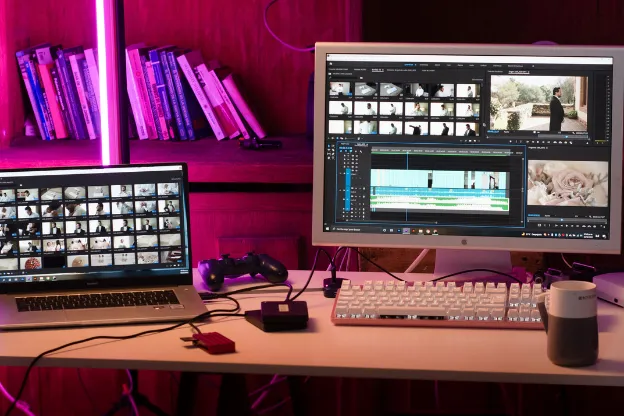
Animation and Visual Effects (VFX) are creative disciplines used to bring characters, objects, environments and imaginative concepts to life through digital technology.
Although animation and VFX often work together, they involve different techniques.
Animation is the process of creating the illusion of movement by displaying a sequence of images or digitally generated frames. It can be used to create animated characters, product demonstrations, explainer videos, short films, advertisements and entertainment content.
Visual Effects, commonly known as VFX, involves creating or modifying images that may be difficult, expensive or impossible to capture entirely during live-action filming.
An Animation and VFX course can help students understand these techniques and develop practical skills for digital content production.
Students searching for an Animation and VFX course in Noida may find programmes that combine technical learning with creative development. The most suitable option depends on the student's interests, budget, preferred course duration and career goals.
A portfolio allows students to demonstrate their creative ability and technical progress to prospective employers or clients. Even small, well-executed projects can help beginners showcase what they have learned.
Ravi Sarin Film Institute is a creative education institute associated with filmmaking and media production. Students looking for an Animation and VFX Institute in Noida can explore RSFI's educational environment and available programme details when comparing their options.
Students can benefit from developing technical skills alongside creative thinking, visual observation, problem-solving and communication. Important: Before admission, confirm the current Animation and VFX course availability, duration, fee structure, syllabus and facilities directly with RSFI. Course features and offerings should be verified before making an enrolment decision.
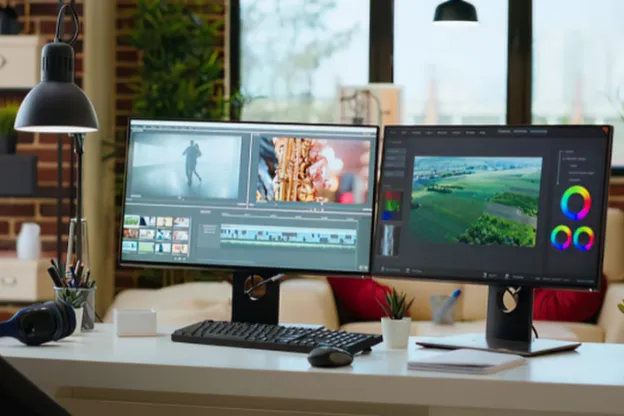
The curriculum differs from one institute to another. A comprehensive programme may introduce students to the following subjects.
Portfolio-oriented projects help students apply their knowledge to practical creative assignments. The exact subjects and depth of training should always be checked against the institute's current syllabus.
Students searching for an Animation and VFX course in Noida may encounter different types of programmes.
Course names, durations and entry requirements vary between institutes. A diploma title alone does not guarantee a particular level of training or recognition, so review the actual syllabus and credential details before enrolling.
An Animation and VFX course after 12th can be an option for students who want to pursue a creative career instead of following a conventional academic route. Students from different educational backgrounds may be able to explore this field, depending on the programme's admission requirements.
Students should choose a course based on the quality and relevance of its training rather than relying only on its title.
One of the most common searches among prospective students is Animation and VFX course fees in Noida. There is no single fee applicable to every institute. The cost depends on the programme's duration, specialisation, equipment, software training, faculty, project work and other facilities
Before making a decision, compare at least two or three institutes using the same criteria. Ask for the complete fee structure in writing and confirm what is included. For the latest RSFI fees, course duration and admission options, contact the institute directly rather than relying on outdated online information.
Join the Best Animation Institute in NoidaSearching for the best Animation Institute in Noida can produce many options. Instead of making a decision based only on advertisements, evaluate each institute carefully.
Where possible, visit the campus, speak to the admissions team and ask questions about the training process. A good institute should help students understand both the opportunities and the effort required to develop professional skills.
Students comparing an Animation and VFX Institute in Delhi NCR may consider institutes in Noida, Delhi and nearby areas. The best location depends on daily travel, course timings, practical facilities, programme fees and the availability of relevant specialisations.
If you are considering RSFI, review its current programme details and confirm whether the available training meets your goals before admission.
Turn your passion for creativity, digital art, and visual storytelling into a professional career with industry-focused Animation & VFX training in Noida. Learn 2D and 3D animation, character design, 3D modelling, texturing, rigging, motion graphics, visual effects, compositing, CGI, and video editing while gaining practical experience through hands-on projects and creative assignments. Develop the technical expertise and artistic skills needed to build a successful career in animation studios, film production, television, gaming, advertising, and digital media.
Book Now →After completing suitable training and developing a strong portfolio, students may explore different creative roles. Job opportunities depend on skill level, project experience, location, employer requirements and the quality of the candidate's work.
Combines editing, animation and visual effects skills to contribute to digital media projects. Students should research actual job descriptions to understand which software, experience and portfolio standards employers expect.
Successful animation and VFX work requires more than learning software. Students also need to develop creative and technical skills.
Students can begin building these abilities through small, regular projects.
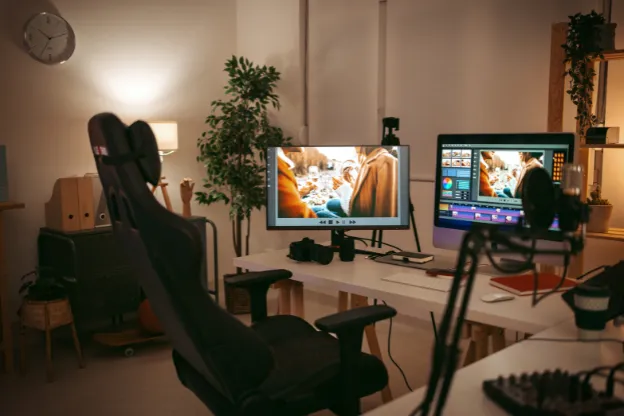
The tools used depend on the specialisation and production workflow. Some commonly used options include:
This list is for general guidance, not a claim that every tool is taught at RSFI. Confirm the software included in the programme before taking admission. Students do not need to master every application at once. Start with the tools that match your intended specialisation and gradually expand your skills.
Students exploring creative careers after 12th may find it difficult to decide between animation, VFX, filmmaking and video editing.
These disciplines can complement each other, but they are not interchangeable. Choose the one that best matches your interests and preferred way of working. For students who enjoy digital environments and creating visuals that cannot easily be captured in real life, animation and VFX may be worth exploring.
Animation and VFX can be rewarding career options for people who enjoy creative problem-solving and digital production. However, career success is not guaranteed by completing a course alone. The industry expects artists to demonstrate relevant skills, reliable project delivery and an understanding of production workflows.
Students should evaluate their interests, financial circumstances and willingness to practise before investing in a longer programme.
Turn your passion for creativity, digital art, and visual storytelling into a professional career with industry-focused Animation & VFX training in Noida. Learn 2D and 3D animation, 3D modelling, character design, texturing, rigging, motion graphics, visual effects, CGI, compositing, and video editing while gaining hands-on experience through animation projects, VFX assignments, and digital content creation. Develop the technical expertise and creative skills needed to build a successful career in film production, animation studios, gaming, advertising, television, and digital media.
Book Now →A portfolio is one of the most useful ways to demonstrate your abilities to employers, production teams and clients. You can start with a few focused projects instead of trying to create a large showreel imme
Choose your strongest work rather than including every assignment. Present each project clearly, explain your contribution and show relevant breakdowns when appropriate. Keep the presentation organised and make sure the videos play correctly on mobile and desktop devices.
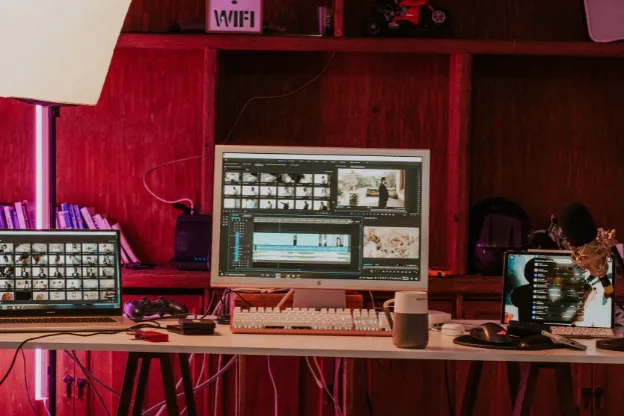
The admission process varies between institutes and programmes. Before applying for an Animation and VFX course in Noida, follow these steps.
Students interested in RSFI should contact the institute to confirm the current availability of Animation and VFX training, admission dates, fees and programme details.
Students completing Class 12 have several educational options. Those interested in visual storytelling, entertainment and digital production can explore creative disciplines such as:
Before choosing, consider the kind of work you enjoy, the skills you want to develop, your budget and the career paths available to you. An Animation and VFX course may be a good starting point if you enjoy digital artwork, computer-generated visuals, visual storytelling and the technical process of creating effects.
| Skill | What You'll Learn |
|---|---|
| Introduction to Animation & VFX | Understand the fundamentals of animation, visual effects, digital storytelling, computer-generated imagery, and the role of animation and VFX professionals in the creative industry. |
| Fundamentals of Drawing & Visual Design | Learn basic drawing techniques, shapes, proportions, perspective, colour theory, visual composition, and design principles to develop a strong foundation for animation and digital art. |
| 2D Animation Fundamentals | Explore the principles of 2D animation, keyframes, timing, spacing, squash and stretch, anticipation, and character movement to create engaging animated sequences. |
| 3D Animation Fundamentals | Understand 3D animation workflows, object movement, keyframe animation, motion paths, timing, and character animation techniques used in films, games, and digital media. |
| 3D Modelling & Asset Creation | Learn 3D modelling techniques, polygon modelling, object creation, topology, proportions, and asset development to create characters, props, environments, and digital objects. |
| Texturing & Material Creation | Explore texture mapping, UV unwrapping, material creation, surface detailing, colour selection, and realistic material properties to enhance the appearance of 3D models. |
| Lighting & Rendering for Animation | Learn digital lighting techniques, shadows, reflections, environment lighting, camera setup, rendering settings, and lighting composition to produce visually appealing 3D scenes. |
| Character Design & Development | Understand character concepts, shape language, anatomy basics, facial expressions, character proportions, and visual development to create unique characters for animation and storytelling. |
| Character Rigging & Skinning | Learn skeletal structures, joints, controllers, weight painting, skinning, and rigging fundamentals to prepare 3D characters for realistic movement and animation. |
| Motion Graphics & Typography Animation | Explore animated typography, graphic transitions, logo animation, visual effects, title sequences, and motion design techniques for advertisements, films, and digital content. |
| Visual Effects (VFX) Fundamentals | Understand the principles of visual effects, digital compositing, green screen techniques, background replacement, visual enhancements, and integrating computer-generated elements into live-action footage. |
| Green Screen & Chroma Keying | Learn chroma key techniques, green screen removal, spill suppression, background replacement, edge refinement, and subject isolation to create professional visual effects shots. |
| Digital Compositing Techniques | Explore compositing workflows, layer management, masking, rotoscoping, colour matching, blending modes, and integrating multiple visual elements into a seamless final composition. |
| Rotoscoping & Motion Tracking | Learn object tracking, camera tracking, planar tracking, motion tracking, masking, and rotoscoping techniques to isolate moving subjects and integrate digital elements into video footage. |
| CGI & Realistic Visual Effects | Understand computer-generated imagery, 3D asset integration, particle effects, simulations, digital environments, and techniques for creating realistic visual effects for films and advertisements. |
| Simulation & Particle Effects | Explore introductory techniques for creating smoke, fire, explosions, water, cloth, and other simulated effects using appropriate 3D and visual effects software. |
| Video Editing & Post-Production | Learn video editing fundamentals, timeline management, transitions, audio synchronisation, colour correction, visual effects integration, and final output preparation for digital media. |
| Colour Grading & Visual Finishing | Understand colour correction, colour grading, contrast, exposure balance, cinematic looks, shot matching, and final visual finishing techniques for animation and VFX projects. |
| Practical Animation & VFX Projects | Gain hands-on experience through 2D animation exercises, 3D modelling assignments, character animation, green screen projects, compositing practice, and creative visual effects shots. |
| Professional Animation & VFX Portfolio Project | Apply your skills to create a professional portfolio or showreel featuring selected animation sequences, 3D models, motion graphics, compositing work, and visual effects projects. |
| Professional Animation & VFX Career Preparation | Develop practical knowledge and industry-relevant skills for career opportunities as a 2D Animator, 3D Animator, 3D Modeller, Character Artist, Motion Graphics Designer, VFX Artist, Compositor, or Video Editor. |
Students searching for an Animation Course in Noida often want to understand the difference between 2D and 3D animation before choosing a specialisation.
Which should you choose? Choose 2D animation if you enjoy drawing, illustrations and graphic storytelling. Consider 3D animation if you are interested in modelling, digital environments, lighting and three-dimensional movement. Both fields require practice and a strong portfolio.
Green-screen technology and compositing are important techniques in modern visual effects production. Green-screen filming allows editors and VFX artists to isolate a subject from a coloured background and replace that background with another image or digital environment.
These techniques are used in films, music videos, advertisements, virtual environments and digital content. Students interested in a VFX Course in Noida should look for opportunities to practise green-screen removal, masking, tracking and compositing as part of their practical learning.
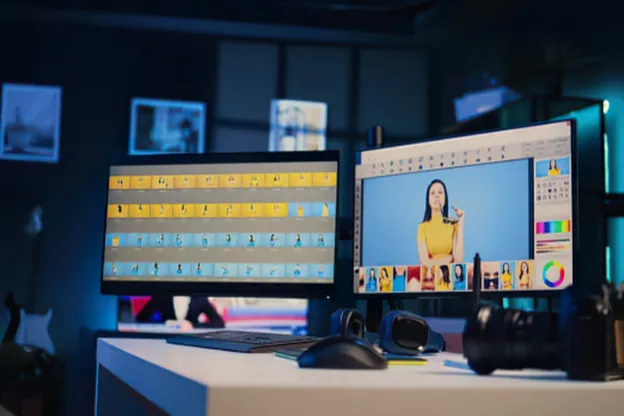
Artificial intelligence is introducing new tools into animation, editing and visual effects workflows. Depending on the software, AI-assisted features can help with tasks such as rotoscoping, object removal, image generation, motion assistance and repetitive editing operations.
However, AI tools do not remove the need for creative judgement and technical knowledge. Animation and VFX professionals still need to understand composition, lighting, perspective, timing, visual continuity and storytelling to produce convincing results.
Students should learn the fundamentals first and then explore relevant AI-assisted tools. They should also understand copyright, licensing, privacy and the limitations of generated content. A strong combination of artistic ability, technical knowledge and adaptability can help learners prepare for evolving digital production workflows.
Starting an animation and VFX career does not require you to master every software application immediately. A structured learning plan can help you develop skills gradually.
Select your strongest work and organise it into a concise presentation of your abilities. This approach can help students make better use of their training and demonstrate practical skills to prospective employers or clients.
Animation and VFX contribute to visual storytelling across multiple forms of media.
Short animations, product visuals and motion graphics are used in digital campaigns across social platforms. The exact opportunities available to an artist depend on their specialisation, portfolio quality and the requirements of individual projects.
Choosing an Animation and VFX Institute in Noida requires more than comparing advertisements or course fees. Students should evaluate the learning experience and the skills they can expect to develop.
For students comparing options in Noida and Delhi NCR, visiting institutes and asking these questions can help them make a more informed decision.
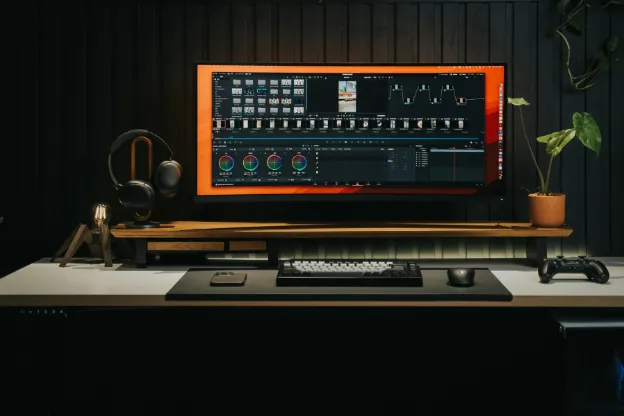
Practical projects help students understand how animation and visual effects techniques are used in real production environments. Instead of focusing only on software tools, beginners should practise creating complete visual sequences from planning to final output.
These projects can help students understand production workflows, identify areas for improvement and develop a portfolio that demonstrates their practical abilities.s
A showreel is a short video that presents an artist's strongest work. It helps employers, production studios and prospective clients evaluate an artist's creative ability and technical skills.
Keep the presentation concise, prioritise quality over quantity and select work that matches your target role. Avoid including projects that you cannot explain or demonstrate properly. If a project was completed as part of a team, clearly identify your contribution. A focused showreel can communicate your skills more effectively than a collection of unrelated assignments.
An internship can help students understand professional workflows, collaboration and production deadlines. However, internship availability depends on the employer, the applicant's skills and the opportunities available at the time.
Be prepared to explain your creative decisions, describe your workflow and discuss how you respond to feedback. A course can provide a foundation, but students should independently verify internship opportunities and avoid assuming that completing a programme guarantees employment.
Freelancing is one possible path for people who develop practical animation and VFX skills. Independent artists may work with businesses, content creators, production teams and advertising agencies on project-based assignments.
Use completed projects to identify weaknesses, improve your workflow and develop stronger portfolio pieces. Freelance income is not guaranteed and can vary considerably with experience, demand, client relationships and project complexity. Building a reliable reputation takes time, consistent work and professional communication.
Animation and VFX combine creativity, technology and visual storytelling. They can open up different learning and career directions for students who are willing to practise, develop their technical abilities and build a strong portfolio. If you are searching for the best Animation and VFX course in Noida, take the time to compare institutes, review their course content and understand the practical training they provide. Consider the complete cost, course duration, software exposure and the projects you will be able to create. Ravi Sarin Film Institute (RSFI) is one option for students exploring creative education related to filmmaking and media production. Contact the institute directly to verify its current Animation and VFX programme details and determine whether the available training matches your goals. Take the first step towards your creative journey: research your options, identify your preferred specialisation and choose a programme that supports your long-term learning and career ambitions.
Join RSFI's industry-focused Animation & VFX Course and master 2D Animation, 3D Animation, 3D Modelling, Character Design, Texturing, Rigging, Animation Lighting, Motion Graphics, Visual Effects, Green Screen Techniques, CGI, Digital Compositing, Rotoscoping, Motion Tracking, Particle Effects, Video Editing, Colour Grading and Professional Animation & VFX Portfolio Development.
Explore Animation & VFX Course🎭 Acting
🎬 Filmmaking
📸 Cinematography
🎞 Animation & VFX
🎭 Advertising, PR & Event
🎬 Music Production
📸 Still Photography
🏠 Interior Design
👗 Fashion Design
View Programs🎭 Short Term Program
🎬 Diploma Program
📸 Online Program
🎞 3 Years Diploma Programs
View ProgramsJoin RSFI's industry-focused Animation & VFX Course and master 2D Animation, 3D Animation, 3D Modelling, Character Design, Texturing, Rigging, Animation Lighting, Motion Graphics, Visual Effects, Green Screen Techniques, CGI, Digital Compositing, Rotoscoping, Motion Tracking, Particle Effects, Video Editing, Colour Grading and Professional Animation & VFX Portfolio Development.
Explore Animation & VFX Course