Today, photographs are an important part of advertising, fashion, films, social media, e-commerce, events, personal branding, travel, food, real estate and many other industries. Businesses need professional images to present their products, brands need creative visuals for marketing, and individuals want high-quality photographs for portfolios and social media.photography course in Noida,
If you are searching for a photography course in Noida, photography institute in Noida, photography classes in Noida, or a professional photography course in Delhi NCR, it is important to understand what you should actually learn before choosing a course..
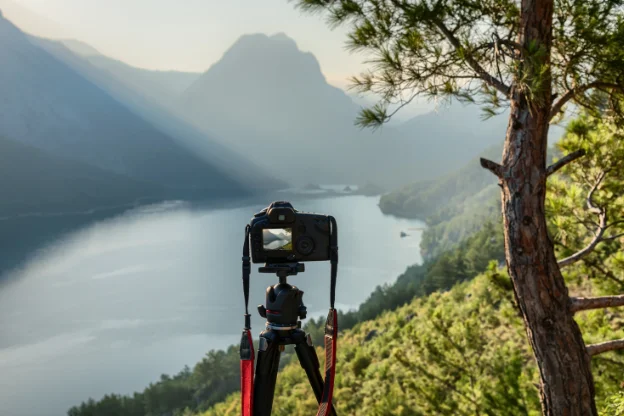
Most people start photography casually.
They may take photographs using a smartphone during travel, family functions, college events or everyday life. Some people then develop a deeper interest and begin experimenting with cameras, lenses and editing.
At this stage, many beginners realize that professional photography is much more than simply pressing the shutter button.
Why does one photograph look professional while another looks ordinary?
A structured photography course in Noida can help beginners learn these concepts step by step.
Instead of learning randomly from different videos and tutorials, students can follow a structured curriculum and practise what they learn.
The biggest advantage of professional training is not simply learning camera buttons.
It is learning how to make creative decisions.
A photography course is a structured program that teaches students the technical, creative and practical aspects of photography. Depending on the course level and duration, students may learn:
More advanced programs can introduce specialized photography, professional workflows and portfolio development. This makes it important to choose a course according to your actual goal. Someone learning photography as a hobby may need a different program from someone planning to become a professional photographer.
Noida has become an important destination for education, technology, media, advertising and creative businesses in the Delhi NCR region. For photography students, the location can provide access to different types of shooting environments. A photographer needs more than a classroom.
This is one reason students looking for photography classes in Noida often look for courses that provide practical assignments rather than only theoretical lectures. Noida also gives students access to the wider Delhi NCR creative ecosystem. Depending on their interests, students can explore photography related to:
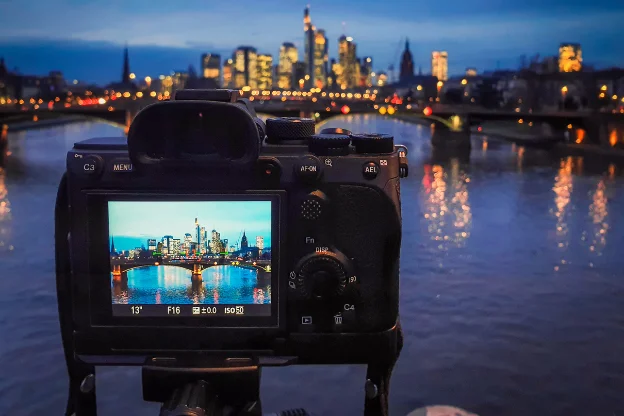
A well-structured photography program should start with fundamentals and gradually move towards more advanced applications.
This approach helps beginners develop confidence. Instead of trying to learn everything at once, students understand one concept and then apply it through practical assignments.
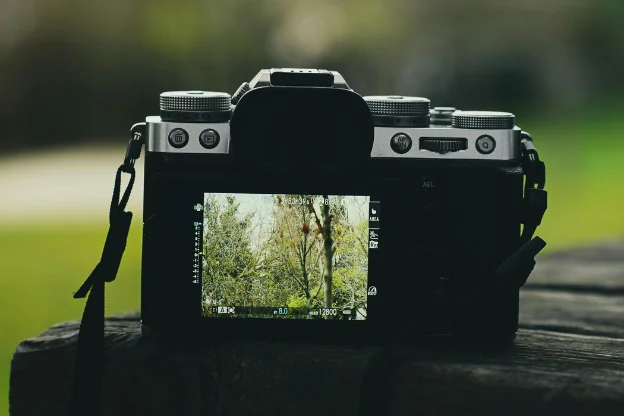
The camera is the main tool of a photographer. Before learning advanced photography, students should become comfortable with their camera. A photography course can introduce:
Beginners often start with automatic mode. There is nothing wrong with using automatic mode while learning. However, understanding manual controls gives photographers greater creative freedom.
The camera body is only one part of the photography system. The lens has a major impact on the final image. Photography students should understand different types of lenses and their applications.
Different focal lengths create different visual effects. A wide-angle lens can be useful for architecture, interiors and landscapes. A standard lens can work well for everyday photography.
Join the Portrait PhotographyA photograph can be technically perfect and still fail to attract attention.Composition plays a major role in how an image feels. Composition refers to how different elements are arranged inside the frame.
Photography is a creative medium. Once photographers understand composition, they can intentionally experiment with different approaches. The goal is to understand why a particular composition works for a particular subject.
Light is at the heart of photography. In fact, the word photography is connected to the idea of creating images with light. A photographer needs to understand how light affects:
Portrait photography is one of the most popular areas for beginners. But creating a professional portrait involves much more than photographing someone's face. A portrait photographer needs to consider
A good portrait should tell the viewer something about the subject. For example, a corporate portrait may need to look professional and confident. A fashion portrait may focus more on styling and visual impact. A lifestyle portrait may aim for a natural and relaxed feeling.
Build your career in Photography with professional training in Noida. Learn Camera Handling, Exposure, Composition, Lighting Techniques, Portrait Photography, Product Photography, Landscape Photography, Photo Editing, Creative Framing, and Professional Photography through practical projects and industry-focused training.
Book Now →Fashion photography combines photography with styling, creative direction and visual storytelling. A fashion shoot may involve:
Fashion photography can also help students develop teamwork and communication skills because professional shoots often involve multiple people.
Product photography is particularly important in today's e-commerce environment. A customer often sees a product photograph before purchasing the product.
A strong product photography skill can also be useful for freelancers who work with online businesses and brands.
Commercial photography is created for business and marketing purposes.
The photographer is not only creating something visually attractive. The photograph also needs to communicate a message about the product or brand. This makes commercial photography a useful specialization for students interested in professional photography.
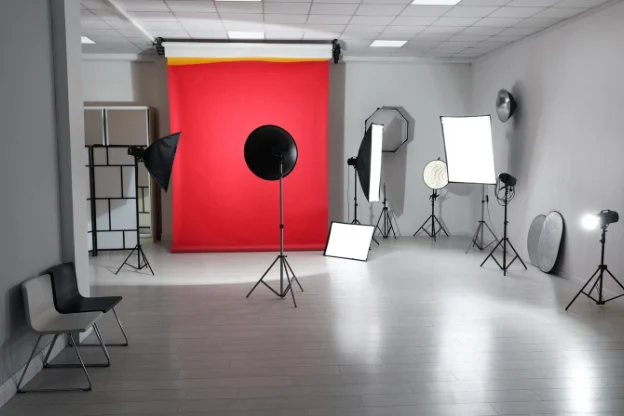
Event photography is different from studio photography. In a studio, the photographer usually has greater control over lighting, background and subject positioning. At an event, things can change quickly.
Photographers need to develop observation and timing. Lifestyle photography also focuses on natural moments and storytelling. These areas teach students to work with real-world situations rather than controlled setups only.
Taking the photograph is only one stage of the digital photography process. Professional photographers often spend significant time selecting, organizing and editing photographs.
Software commonly used in professional photography workflows includes applications such as Adobe Lightroom and Photoshop. However, editing should support the photograph rather than completely change its natural character unless a creative effect is specifically intended.
Build your career in Photography with professional training in Noida. Learn Camera Handling, Exposure, Composition, Lighting Techniques, Portrait Photography, Product Photography, Landscape Photography, Photo Editing, Creative Framing, and Professional Photography through practical projects and industry-focused training.
Book Now →This is one of the most important points for anyone comparing a professional photography course in Noida.
After each assignment, students should ideally review their photographs and understand what worked and what needs improvement. That feedback cycle is extremely valuable.
A portfolio is one of the most important assets for an aspiring photographer. A certificate tells people that you completed a course.A portfolio shows what you can actually create. Students should start building a portfolio during their photography education instead of waiting until the end.
A smaller collection of strong photographs is often more useful than a large collection of average photographs.
Photography can be learned by people from different educational and professional backgrounds. A photography course may be suitable for:
You do not necessarily need previous professional photography experience to begin. What matters more is interest, practice and willingness to learn.
| Skill | What You'll Learn |
|---|---|
| Introduction to Photography | Understand the fundamentals of photography, the role of a professional photographer and the importance of camera, lighting, composition and visual storytelling. |
| Camera & Photography Fundamentals | Learn the basic principles of photography, camera types, image formation, focal length, perspective, depth of field and professional shooting techniques. |
| Camera Operations | Develop practical knowledge of professional cameras, camera settings, focus, exposure, white balance, ISO, shutter speed, aperture and different shooting modes. |
| Composition & Framing | Learn the rule of thirds, leading lines, symmetry, framing, balance, perspective and creative composition techniques for impactful photographs. |
| Lenses & Focal Length | Understand different types of lenses, focal lengths, depth of field, perspective, lens characteristics and their creative applications in photography. |
| Exposure & Camera Settings | Learn aperture, shutter speed, ISO, exposure compensation, histogram, dynamic range and essential camera settings for professional image capture. |
| Photography Lighting Fundamentals | Understand natural and artificial light, light quality, direction, intensity, colour temperature and basic lighting techniques for different photography situations. |
| Portrait Photography | Learn professional portrait photography techniques including posing, lighting, background selection, composition and capturing natural expressions. |
| Product Photography | Learn product styling, lighting setups, backgrounds, composition and camera techniques for creating high-quality commercial and e-commerce photographs. |
| Fashion & Model Photography | Explore fashion photography concepts, model direction, posing, lighting, styling, creative compositions and professional photoshoot techniques. |
| Landscape & Outdoor Photography | Learn techniques for capturing landscapes, architecture and outdoor subjects using composition, natural light, perspective and creative camera settings. |
| Creative & Conceptual Photography | Explore creative photography techniques, visual concepts, storytelling, perspective, experimental compositions and unique approaches to image creation. |
| Studio & Location Photography | Gain practical knowledge of photography setups for studios, indoor locations and outdoor shoots while adapting to different lighting and shooting conditions. |
| Photo Editing & Retouching | Learn professional photo editing, colour correction, exposure adjustments, cropping, retouching and image enhancement using industry-standard editing workflows. |
| Colour & Visual Aesthetics | Understand colour theory, colour temperature, contrast, tones and visual aesthetics to create attractive and consistent photographic styles. |
| Photography Equipment & Accessories | Understand cameras, lenses, tripods, flashes, reflectors, softboxes, light modifiers, memory cards and other essential photography equipment. |
| Practical Photography Projects | Develop hands-on experience through portrait shoots, product shoots, outdoor assignments, studio exercises and creative photography projects. |
| Professional Photoshoot Project | Apply photography skills to a complete professional photoshoot by planning the concept, selecting equipment, managing lighting and creating a final image collection. |
| Professional Photography & Career Preparation | Build practical knowledge and professional skills for career opportunities as a photographer, portrait photographer, fashion photographer, product photographer, studio photographer and freelance professional. |
Students completing Class 12 often start exploring creative career options. Photography can be one such option.
Students should compare eligibility, duration, practical training, curriculum and certification before enrolling. A short certificate program and a longer diploma program may serve very different purposes. Therefore, students should first decide whether they want:
Photography can lead to different professional directions. Some photographers work independently, while others work with companies, studios, media organizations, agencies or creative teams.
Creates photographs for social media, websites and digital campaigns. The actual career path depends on a photographer's interests, portfolio, professional network and ability to consistently deliver quality work.
Freelancing can be an attractive option for photographers who prefer project-based work. A freelance photographer may work with:
Your portfolio becomes particularly important because potential clients often want to see examples of your previous work before hiring you.
Social media has created a huge demand for visual content. Instagram, YouTube, websites and other digital platforms depend heavily on photographs and videos. Brands need images for:
A photographer who understands both traditional photography fundamentals and modern digital content requirements can work across multiple types of projects.
When you search for a photography institute in Noida, you may find many different courses. Do not make your decision only because an institute uses words such as "best" or "professional." Instead, compare the actual learning experience.
Understand the learning environment. This research can help you choose a course based on your actual goals rather than marketing claims.
Students searching for a photography course in Delhi NCR have a wide range of options. Delhi NCR includes several educational and creative hubs, so learners can find different types of photography programs.
This is also why searches such as photography classes in Delhi NCR, photography training in Delhi, photography institute in Delhi, and photography school in Delhi can represent different types of search intent.
You may see terms such as:
When comparing a photography academy in Noida or a photography academy in Delhi NCR, look at: The learning experience matters more than the label used for the institution.
If you are completely new to photography, do not try to learn everything in one week.
Try portrait, fashion, product, commercial, event or another photography genre. This approach makes photography easier to understand and keeps the learning process enjoyable
Choosing a photography course in Noida can be an important first step if you want to turn your interest in photography into a stronger creative skill. But the course itself is only part of the journey. The most important thing is what you learn and how much you practise. A good photography learning experience should help you understand your camera, work with different lenses, control exposure, use light effectively, compose photographs, explore different genres, edit images and build a portfolio. If you are comparing a photography institute in Noida, photography classes in Noida, photography training in Noida, or a professional photography course in Noida, look beyond promotional claims.
Join RSFI's industry-focused Photography Course and master Camera Operations, Composition, Lenses, Exposure, Lighting Techniques, Portrait Photography, Product Photography, Fashion Photography, Photo Editing, Colour & Visual Aesthetics, and Creative Photography through hands-on training and practical photography projects.
Explore Photography Course🎭 Acting
🎬 Filmmaking
📸 Cinematography
🎞 Animation & VFX
🎭 Advertising, PR & Event
🎬 Music Production
📸 Still Photography
🏠 Interior Design
👗 Fashion Design
View Programs🎭 Short Term Program
🎬 Diploma Program
📸 Online Program
🎞 3 Years Diploma Programs
View ProgramsLearn professional photography at RSFI with practical training in Camera Handling, Lighting, Composition, Lens Selection, Exposure, Portrait Photography, Product Photography, Fashion Photography, Photo Editing, Colour Techniques, and Creative Photography. Gain hands-on experience through real-world photoshoots, studio assignments, and practical photography projects.
Explore Photography Course