Photography is no longer just a hobby or a way of saving memories. With the growth of digital media, advertising, films, fashion, e-commerce, social media and online businesses, photography has become a serious and creative career option in India.Photography as a Career in India
For someone who enjoys working with cameras, exploring visual storytelling and capturing people, places or products in an interesting way, photography can offer a wide range of career opportunities. From fashion and wedding photography to advertising, product photography.
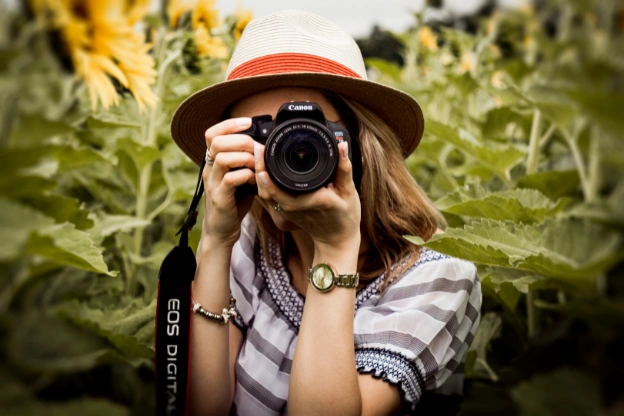
Photography is no longer just a hobby or a way of saving memories. With the growth of digital media, advertising, films, fashion, e-commerce, social media and online businesses, photography has become a serious and creative career option in India.
For someone who enjoys working with cameras, exploring visual storytelling and capturing people, places or products in an interesting way, photography can offer a wide range of career opportunities.
From fashion and wedding photography to advertising, product photography, photojournalism and commercial photography, the industry has opportunities for people with different creative interests.
However, becoming a successful photographer is not simply about purchasing an expensive camera. A professional photographer needs to understand lighting, composition, camera settings, lenses, colour, editing, visual storytelling and client requirements. Practical experience and a strong portfolio are equally important.
For students who are planning their career after school or looking for a professional creative course, joining a structured photography program can provide the right foundation.
RSFI offers photography-focused education designed to help students understand the practical and creative sides of the profession. The objective is not only to teach students how to operate a camera, but also to help them develop visual thinking, technical confidence and professional skills.
The photography industry is much broader than traditional studio photography. Today, photographers can work across several sectors.
Real estate companies, architects, interior designers and property websites require professional photographs to present spaces effectively.
Choosing a photography course is an important decision. Students should look beyond the name of the course and understand what they will actually learn. A good photography program should provide a balance between theory and practical training.
Learning should not remain limited to classroom explanations. Photography is a practical field, and students need opportunities to use cameras, experiment with lighting and work on real assignments.
Photography jobs can be found in different sectors depending on the photographer's specialisation and experience.
The phrase "best photography course" can mean different things for different students. The right course should match the student's goals.
A professional photographer needs more than camera knowledge. Industry-ready training should encourage students to develop:
Students often assume that they need the most expensive camera to start learning. That is not necessarily true. A basic interchangeable-lens camera can be enough to learn fundamental photography. As skills develop, students can gradually understand what equipment they actually n.
The tools used by photographers may change, but the need for strong visual communication remains.
Brands need images. Businesses need product photographs. People need professional portraits. Events need documentation. Media organisations need visual stories. Digital platforms require constant content.
At the same time, competition is increasing.
This means photographers need to continuously improve their skills and develop a distinctive visual style.

Join the Photography Institute in NoidaStudents can use their learning to experiment with different photography genres, develop projects and gradually create a portfolio that reflects their interests.
Workshops, guest sessions and production exposure can help students understand professional expectations.
The photography industry is much broader than traditional studio photography. Today, photographers can work across several sectors.
Real estate companies, architects, interior designers and property websites require professional photographs to present spaces effectively. This type of photography involves composition, perspective, lighting and careful post-processing.
Choosing a photography course is an important decision. Students should look beyond the name of the course and understand what they will actually learn. A good photography program should provide a balance between theory and practical training.
Learning should not remain limited to classroom explanations. Photography is a practical field, and students need opportunities to use cameras, experiment with lighting and work on real assignments.
Build your career in photography with professional training in Noida. Learn essential photography skills such as camera operation, camera settings, exposure, composition, framing, lighting techniques, lens selection, depth of field, portrait photography, fashion photography, product photography, event photography, outdoor photography, studio photography, photo editing, colour correction, and visual storytelling. Gain practical experience through hands-on photography projects and industry-focused training.
Book Now →Becoming a professional photographer is a gradual process.
A strong online portfolio and professional social media presence can help potential clients discover your work.
Photography offers opportunities across several industries. Some common career paths include:
This variety is one of the biggest advantages of photography as a career.
There are several reasons students choose photography as a career in India:
One of the biggest advantages of photography is that it does not have only one career path. For example, a person interested in fashion can develop a fashion photography portfolio, while someone interested in business and commercial work can specialise in product or advertising photography.
This variety makes photography a flexible career for students who want to combine creativity with professional work.
A photography course can introduce students to:
The purpose of photography education is not just to teach students which button to press on a camera. It should help them understand why a particular camera setting, lens, composition or lighting setup is suitable for a particular image.
Noida and Delhi NCR have a strong ecosystem of media, advertising, fashion, entertainment, events, businesses and digital content. This creates an environment where students interested in photography can explore different creative fields. When looking for a Photography Course in Noida or Photography Course in Delhi, students should focus on the quality and structure of the program instead of selecting a course only because of its name.
Build your career in photography with professional training in Noida. Learn essential photography skills such as camera operation, camera settings, exposure, composition, framing, lighting techniques, lens selection, depth of field, portrait photography, fashion photography, product photography, event photography, outdoor photography, studio photography, photo editing, colour correction, and visual storytelling. Gain practical experience through hands-on photography projects and industry-focused training.
Book Now →Practical training can help students:
Self-learning can also be useful, but professional guidance can provide structure and feedback during the early stages of learning.
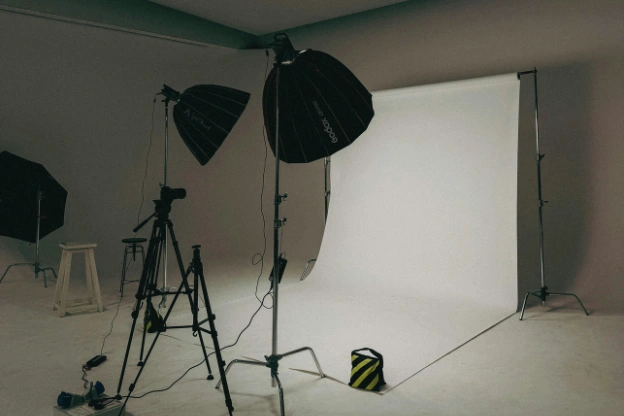
Photography combines technology and creativity. A good photographer needs to understand both./p>
Clear communication helps everyone understand the creative requirements of a shoot.
Freelancing gives photographers the opportunity to work with different clients and industries. However, freelance photography also involves responsibilities beyond taking photographs.
Therefore, business and communication skills can be as useful as photography skills.
| Skill | What You'll Learn |
|---|---|
| Introduction to Photography | Understand the fundamentals of photography, the role of a photographer and the importance of visual storytelling in portraits, fashion, products, events and digital media. |
| Camera Fundamentals & Operation | Learn professional camera operation, camera types, camera settings, sensor formats, shooting modes, focus, exposure and essential techniques for handling DSLR and mirrorless cameras. |
| Composition & Framing | Develop skills in composition, framing, rule of thirds, leading lines, symmetry, perspective, balance and creating visually engaging photographs. |
| Lenses & Optics | Understand different types of lenses, focal lengths, depth of field, perspective, lens characteristics and how lens selection affects the look and style of photographs. |
| Lighting Techniques | Learn natural and artificial lighting, studio lighting, three-point lighting, key and fill lights, backlighting, reflectors, light modifiers and creative lighting techniques. |
| Exposure & Camera Settings | Understand aperture, shutter speed, ISO, white balance, exposure compensation, metering, focus modes and other camera settings required for professional photography. |
| Portrait Photography | Learn professional portrait photography techniques including posing, lighting, composition, backgrounds, expressions and creating impactful portraits in studio and outdoor environments. |
| Fashion & Editorial Photography | Explore fashion and editorial photography including model direction, styling, creative concepts, lighting, location selection and creating professional fashion images. |
| Product & Commercial Photography | Learn product photography techniques, studio setups, lighting arrangements, composition, backgrounds and creating high-quality images for advertising, e-commerce and commercial use. |
| Event & Outdoor Photography | Develop practical skills for covering events and outdoor shoots, including candid photography, action shots, available light, location planning and capturing important moments effectively. |
| Photo Editing & Post-Processing | Learn professional photo editing and post-processing techniques including image correction, colour adjustment, cropping, retouching, exposure correction and enhancing photographs for different platforms. |
| Practical Photography Projects | Gain hands-on experience through camera exercises, lighting setups, portrait shoots, product shoots, outdoor assignments and practical photography projects. |
| Portfolio & Career Preparation | Build a professional photography portfolio and develop practical skills for careers as a professional photographer, portrait photographer, fashion photographer, product photographer, event photographer and visual content creator. |
Becoming a professional photographer is a process that takes time and consistent practice.
Photography technology and visual trends continue to change. Successful photographers keep improving their technical and creative knowledge.
A Professional Photography Course in India should ideally help students develop practical confidence rather than only theoretical knowledge.best photography Institute in Noida, Videography, on the other hand, often focuses on capturing events, corporate content, interviews, weddings, social media videos and other real-time productions.
The quality of a photographer is ultimately visible through their work. Therefore, portfolio development should be an important part of any serious photography learning journey.
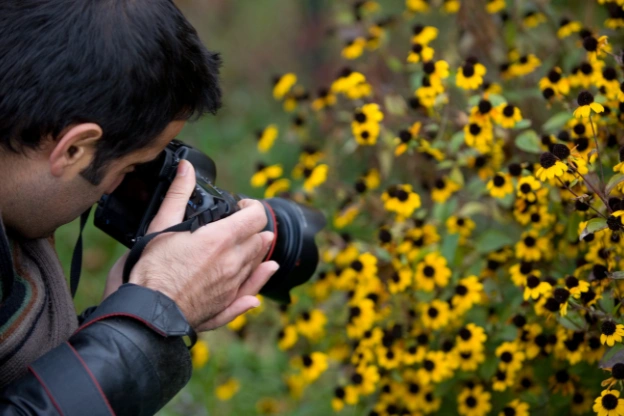
Many students search for the Best Photography Course in Noida, but there is no single course that is perfect for every person.
If your goal is professional employment or freelancing, career-oriented guidance can be valuable.
A Photography Training Institute in Noida should ideally prepare students for the complete photography workflow.
Planning → Equipment Selection → Location/Studio Setup → Lighting → Shooting → Image Selection → Editing → Final Delivery
Understanding this complete process can make students more prepared for real-world photography projects.
Photography training can also encourage students to develop creative problem-solving skills.
Sometimes the lighting is not perfect. Sometimes the location is crowded. Sometimes the client changes the requirement.
A professional photographer needs to adapt.
A Professional Photographer Course in Noida can provide students with a structured environment to develop practical and creative skills. The objective should be to move beyond basic camera operation and introduce students to professional photography practices.
The strongest portfolios usually come from consistent practice rather than one-time assignments.
RSFI is a creative and media-focused institute where students can explore photography as part of their professional creative education.
For students interested in photography, learning should combine technical concepts with practical application.
At RSFI, aspiring photographers can focus on understanding the fundamentals of photography while developing their creative approach through practical work and projects.
The objective is to help students understand photography as a professional field rather than simply learning how to operate a camera.
Students can explore different photography styles, work on projects and gradually develop a portfolio that represents their interests and abilities.
For students searching for a Photography Institute in Noida, professional photography education can be a useful starting point for building the technical foundation and confidence required for the industry.
Study photographs, attend workshops, practice new techniques and stay curious.
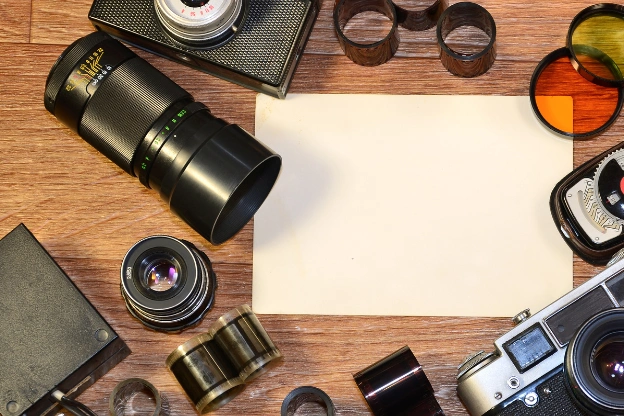
Composition is one of the most important creative aspects of photography. It involves deciding where the subject should appear in the frame and how other elements should interact with it.
The goal is not simply to follow rules but to understand how composition influences the viewer.
Professional photography often involves working with people.
Clear communication helps everyone understand the creative requirements of a shoot.
Photography can be much more than a creative hobby. For students who are genuinely interested in visual storytelling, it can become a professional career with opportunities across fashion, advertising, media, weddings, e-commerce, products, portraits, travel, events and many other industries.
The journey starts with learning the fundamentals but does not end there. A professional photographer needs continuous practice, creative development, technical knowledge, portfolio-building experience and an understanding of the professional market.
For students searching for a Photography Course in Noida, Photography Institute in Noida, Photography Course in Delhi or a Professional Photography Course in India, the most important thing is to choose education that combines structured learning with practical experience.
Join RSFI's industry-focused Photography Course and master Camera Operation, Camera Settings, Composition & Framing, Lenses & Optics, Lighting Techniques, Exposure & Focus, Portrait Photography, Fashion & Editorial Photography, Product & Commercial Photography, Event & Outdoor Photography, Photo Editing, and practical photography projects through hands-on, industry-focused training.
Explore photography Course🎭 Acting
🎬 Filmmaking
📸 Cinematography
🎞 Animation & VFX
🎭 Advertising, PR & Event
🎬 Music Production
📸 Still Photography
🏠 Interior Design
👗 Fashion Design
View Programs🎭 Short Term Program
🎬 Diploma Program
📸 Online Program
🎞 3 Years Diploma Programs
View ProgramsJoin RSFI's industry-focused Photography Course and master Camera Operation, Camera Settings, Composition & Framing, Lenses & Optics, Lighting Techniques, Exposure & Focus, Portrait Photography, Fashion & Editorial Photography, Product & Commercial Photography, Event & Outdoor Photography, Photo Editing, and practical photography projects through hands-on, industry-focused training.
Explore Photography Course