Interior design course in Noida is becoming an increasingly popular choice for students and creative individuals who want to build a professional career in the design industry. With the rapid development of residential properties, offices, commercial buildings, restaurants, cafes, retail stores and hospitality spaces across Noida and Delhi NCR,Interior design course in Noida
Interior designing is much more than decorating a room. It involves understanding space, functionality, colours, furniture, lighting, materials, textures, layouts and the specific requirements of a client
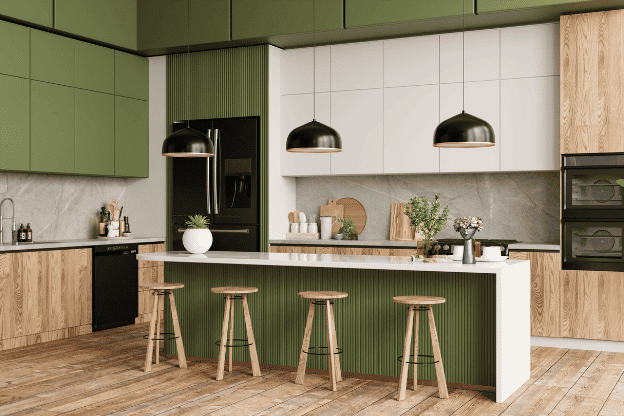
Interior design is the professional process of planning, designing and organising indoor spaces according to their purpose, functionality and aesthetic requirements. An interior designer works with different elements of a space to create an environment that is visually appealing as well as practical. Depending on the project, an interior designer may work on homes, apartments, villas, offices, hotels, restaurants, cafes, retail stores, showrooms and other commercial spaces.
A professional interior designer needs to understand how these different elements work together. For this reason, an interior design course in Noida can be useful for students who want structured knowledge instead of learning individual design concepts separately.
Noida has become an important part of the Delhi NCR region, with significant residential, commercial and corporate development. New apartments, offices, restaurants, retail spaces and hospitality projects continue to create opportunities for professionals with creative and technical design skills. Choosing an interior designing course in Noida can allow students to study in an urban environment where they can observe different types of architecture, interiors, furniture styles and commercial spaces. Another advantage of studying interior designing is the variety of career directions available after training. Students can work with interior design companies, architecture firms, construction companies, furniture brands, real estate organisations or start their own independent practice after gaining sufficient experience.
Interior designing combines creativity with practical problem-solving. People spend a significant amount of time inside homes, offices, restaurants, hotels, stores and other spaces. The design of these environments can influence comfort, functionality and overall experience. This creates opportunities for professionals who understand how to plan and improve spaces.
The profession can also provide different career paths. Some people choose employment with design companies, while others move towards freelancing, consultancy or entrepreneurship after gaining experience.
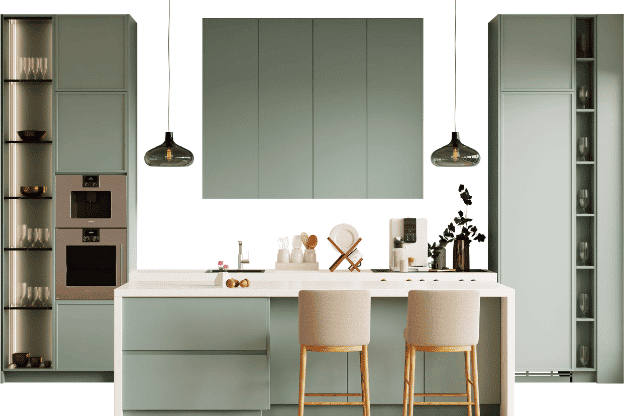
A professional interior design course in Noida can introduce students to the complete design process. The exact curriculum depends on the institute and programme, but important areas generally include design fundamentals, space planning, colour theory, furniture, lighting, materials, technical drawings, software and project developmen
Understanding these principles helps students create interiors that are visually balanced and functional.
Space planning is one of the most important areas of interior design. A designer must understand how much space is available and determine how different areas should be arranged. For example, while designing a living room, the designer needs to consider
Good space planning ensures that a room does not simply look attractive but is also comfortable to use.
Colour plays a major role in interior design. Students learn how different colours interact and how colour combinations can influence the mood and visual appearance of a space.
A designer needs to select colours according to the purpose of the room, lighting conditions, furniture and client's preferences.
Furniture must be selected according to the size and purpose of a space. Students learn how furniture can be arranged to maintain functionality and comfortable movement.
The designer also needs to consider scale and proportion so that furniture does not make a space appear overcrowded.
Lighting can completely change the appearance of an interior. A professional designer needs to understand how natural and artificial lighting can be incorporated into a space.
Lighting should be planned according to the purpose of the room. For example, a workspace may require functional lighting, while a restaurant may require lighting that creates a particular atmosphere.
Interior designers work with a wide range of materials. Students may learn about:
Understanding the properties, appearance and application of different materials helps designers make better decisions during project development.
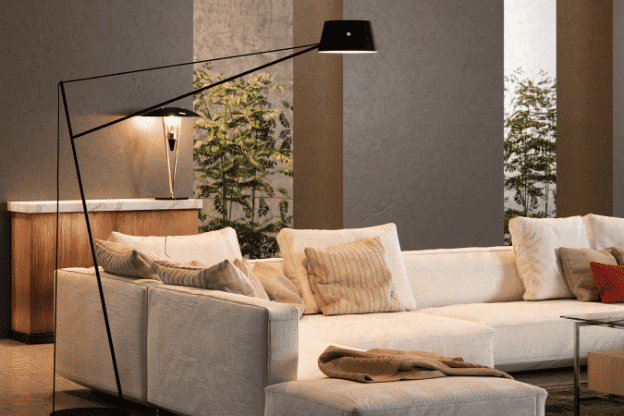
Join the interior designing course in NoidaThe syllabus of an interior designing course in Noida can vary according to the duration and structure of the programme. A professional curriculum may cover areas such as:
Theory provides the foundation, but practical training helps students understand how design concepts work in real situations. A student may know the definition of space planning, but working on an actual room requires decision-making. For example, a client may provide a small bedroom with limited storage and a specific budget. The designer has to create a solution that balances:
Practical projects help students develop this type of problem-solving ability. Therefore, when choosing an interior design institute in Noida, students should pay close attention to the amount of practical and project-based learning included in the programme
Explore professional Interior Design training in Noida and learn essential skills such as space planning, interior styling, furniture design, colour theory, material selection, lighting design, 2D & 3D floor plans, AutoCAD, 3D visualization, residential and commercial interior design, and practical project execution with industry-focused training.
Book Now →Technology has become an important part of modern interior designing. Digital tools allow designers to create accurate drawings, develop 3D models and present ideas more effectively. Depending on the programme, students may receive exposure to software used for:
3D visualisation is particularly useful because clients can get a better understanding of how a proposed space may look before actual execution.Students searching for an interior designing institute in Noida should therefore check whether the programme provides relevant digital design and visualisation training.
Interior designing is an application-oriented profession. Students need to understand how theoretical concepts work in practical situations.
This makes practical exposure an important factor when selecting an interior design institute in Noida.
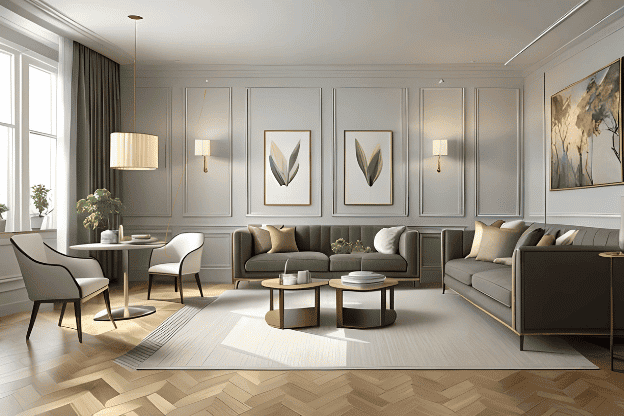
People spend a significant amount of time inside homes, offices, restaurants, hotels and stores. The design of these spaces can influence comfort, productivity, functionality and overall experience.
The career can also provide different professional directions. Some designers work for interior design companies, architecture firms or construction businesses. Others move towards freelancing, consultancy or entrepreneurship after gaining experience.
A portfolio is one of the most important tools for an aspiring interior designer. Employers and clients want to see what a designer can actually create.
Students should start building their portfolios during their course rather than waiting until graduation. A strong portfolio can help demonstrate both creative thinking and technical ability.
After completing professional training, students can explore different career paths depending on their skills, experience and portfolio.
Interior design and interior decoration are related but not exactly the same. Interior decoration primarily focuses on improving the appearance of a space using elements such as:
Therefore, people interested in pursuing interior designing as a professional career should consider structured training that covers both creative and technical aspects.
Explore professional Interior Design training in Noida and learn essential skills such as space planning, interior styling, furniture design, colour theory, material selection, lighting design, 2D & 3D floor plans, AutoCAD, 3D visualization, residential and commercial interior design, and practical project execution with industry-focused training.
Book Now →Earlier, designers depended heavily on manual drawings and physical presentations. Today, digital tools can make design development and presentation faster and more visual.
For this reason, modern interior design education should ideally combine traditional design principles with digital skills.
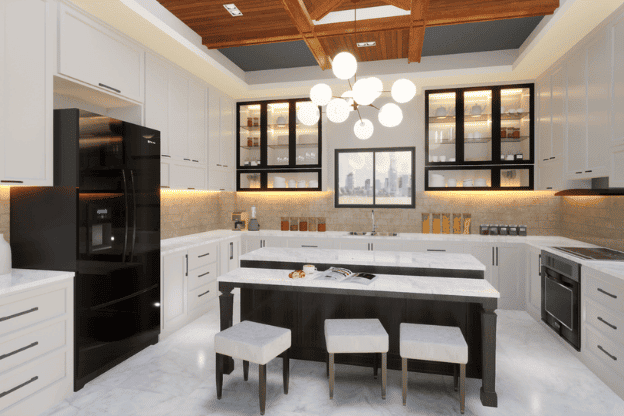
Interior designing has applications across many sectors. Future opportunities may include:
The industry continues to evolve with changing lifestyles, technology, materials and design preferences. Professionals who continue learning and improving their portfolios can explore different career directions.
If you are planning to join an interior designing course in Noida, start developing your design awareness from the beginning.
| Skill | What You'll Learn |
|---|---|
| Introduction to Interior Design | Understand the fundamentals of interior design, design principles, space planning, interior styles, design elements and the role of an interior designer in residential and commercial projects. |
| Design Principles & Elements | Learn essential design principles such as balance, proportion, harmony, rhythm, contrast and emphasis along with colour, texture, form and pattern. |
| Space Planning & Layout Design | Learn professional space planning techniques, furniture layouts, circulation, room dimensions and functional space utilization for residential and commercial interiors. |
| Residential Interior Design | Explore the complete design process for bedrooms, living rooms, kitchens, bathrooms and other residential spaces with a focus on functionality, aesthetics and practical design solutions. |
| Commercial Interior Design | Understand commercial interior design for offices, retail stores, restaurants and other professional spaces, including planning, functionality, branding and user experience. |
| Furniture & Interior Styling | Learn furniture selection, placement, custom furniture concepts, interior accessories, décor elements and styling techniques to create visually appealing and functional spaces. |
| Colour Theory & Material Selection | Understand colour combinations, colour psychology, textures, finishes and material selection for walls, flooring, furniture and other interior design applications. |
| Lighting Design | Learn the fundamentals of natural and artificial lighting, ambient lighting, task lighting, accent lighting and practical lighting solutions for different interior spaces. |
| AutoCAD & 2D Interior Drawings | Develop practical skills in AutoCAD and create professional floor plans, furniture layouts, elevations, sections and detailed 2D interior drawings. |
| 3D Interior Design & Visualization | Learn 3D interior visualization techniques, modelling, materials, textures, furniture placement, lighting and rendering to present realistic interior design concepts. |
| Practical Interior Design Projects | Work on practical residential and commercial interior design projects to gain hands-on experience in space planning, drawings, material selection, styling and design presentation. |
| Portfolio & Career Preparation | Build a professional Interior Design portfolio and develop practical skills for careers as an interior designer, space planner, interior stylist, 3D visualizer and design professional. |
RSFI Institute provides education across creative and professional disciplines and focuses on helping students develop practical skills. For students exploring an interior design institute in Noida, the learning experience should ideally combine creativity, technical understanding and practical project work.Students interested in interior designing should focus on developing:
The ultimate goal of professional education should be to help students develop the confidence and skills required to work on real design challenges.
RSFI Institute provides education in creative and professional disciplines and aims to support students in developing practical and career-oriented skills.For students exploring an interior designing institute in Noida, the focus should be on developing a combination of creative thinking, technical knowledge and practical application.
The objective of professional training should be to prepare students to approach real design challenges with greater confidence and understanding.
Starting a career in interior designing requires a combination of education, practice and professional exposure.best interior designing course in Noida,a Students can begin by learning design fundamentals and gradually move towards advanced concepts.
Students can begin by learning design fundamentals and gradually move towards advanced concepts. Internships can provide valuable exposure to real projects and professional workflows. Students can also work on personal projects to strengthen their portfolios.
If you are planning to join an interior designing course in Noida, develop your skills consistently.
After completing professional training, students can explore different career options.
Interior designing is an application-oriented profession. Students need to understand how theoretical concepts work in practical situations.
Digital tools are an important part of modern interior designing. Depending on the course, students may be introduced to tools used for:
3D visualisation allows clients to understand a proposed interior before execution. Students searching for an interior designing institute in Noida should therefore consider whether the programme includes relevant digital design training.
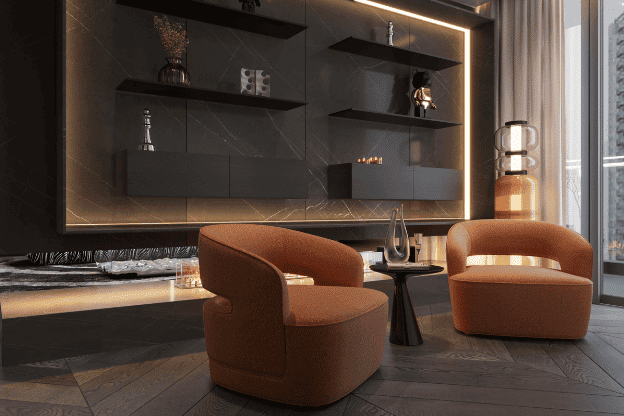
Furniture needs to be selected according to the size, purpose and style of a space. Students may learn how to plan:
Scale and proportion are especially important when selecting furniture.
nterior designing is a creative and professional field that combines creativity, functionality, technical knowledge and problem-solving. From residential homes and apartments to offices, restaurants, hotels and retail spaces, professionally planned interiors are important across many sectors. For students looking for an interior design course in Noida, choosing the right programme can provide a structured foundation in design principles, space planning, colour theory, furniture, lighting, materials, technical drawings and digital visualisation. If you are searching for an interior designing course in Noida, do not choose a programme only by its name. Look for practical training, project-based learning, software exposure, experienced guidance and opportunities to build a professional portfolio.
Join RSFI's industry-focused Interior Design Course and master Space Planning, Interior Styling, Furniture Design, Colour Theory, Material Selection, Lighting Design, AutoCAD, 2D & 3D Interior Design, 3D Visualization, Residential & Commercial Design, and practical project execution through hands-on, industry-focused training.
Explore Interior Design Course🎭 Acting
🎬 Filmmaking
📸 Cinematography
🎞 Animation & VFX
🎭 Advertising, PR & Event
🎬 Music Production
📸 Still Photography
🏠 Interior Design
👗 Fashion Design
View Programs🎭 Short Term Program
🎬 Diploma Program
📸 Online Program
🎞 3 Years Diploma Programs
View ProgramsJoin RSFI's industry-focused Interior Design Course and master Space Planning, Interior Styling, Furniture Design, Colour Theory, Material Selection, Lighting Design, AutoCAD, 2D & 3D Interior Design, 3D Visualization, Residential & Commercial Design, and practical project execution through hands-on, industry-focused training.
Explore Interor Design Course