Career Opportunities in the Indian Film Industry
Introduction
For many people, the Indian film industry is a world of glamour, celebrities, red carpets, and blockbuster movies. While these are certainly exciting aspects of the industry, they represent only a small part of what actually happens behind the scenes. Every successful film, web series, television show, commercial, music video, documentary, or digital production is the result of hundreds of skilled professionals working together.
The Indian film industry has evolved into one of the largest entertainment sectors in the world. It is no longer limited to traditional cinema. Today, the industry includes OTT platforms, YouTube productions, podcasts, corporate films, advertising campaigns, short films, documentaries, digital marketing videos, branded content, music production, animation, visual effects, and much more. Film Making Course in Noida
Many students search online for the best film schools in India, but often get confused because every institute claims to be the best. Instead of focusing only on advertisements or rankings, students should compare film schools based on practical learning, industry exposure, faculty experience, infrastructure, live projects, and career opportunities.
Why the Indian Film Industry is Growing Rapidly
India produces thousands of films every year across multiple languages, making it one of the largest film industries in the world.
- Rise of OTT platforms
- Increased demand for web series
- Expansion of digital content creation
- Growth of YouTube creators
- Corporate video production
- Brand advertising
- Music videos
- International film collaborations
- Podcast production
- Independent filmmaking
Every new production creates opportunities for trained professionals across different departments.
Why Choose a Career in the Film Industry?
Unlike many traditional careers, the film industry allows creative individuals to transform their passion into a profession.
- Creative freedom
- Exciting work environment
- Opportunities to travel
- Networking with industry professionals
- High earning potential
- Freelancing opportunities
- Entrepreneurship possibilities
- National and international exposure
- Personal branding
Every project is different, making this industry dynamic and rewarding.
Top Career Opportunities in the Indian Film Industry
- Films
- OTT Series
- Television
- Commercials
- Theatre
- Web Series
- Music Videos
- Corporate Films
- Voice
- Expression
- Camera confidence
- Body language
Film Director
The director is the creative force behind every production.
- Visual storytelling
- Working with actors
- Camera planning
- Script interpretation
- Shot division
- Team coordination
Good directors combine creativity with leadership.
Cinematographer
A cinematographer creates the visual language of a film.
- Camera operation
- Lens selection
- Lighting
- Composition
- Camera movement
- Color mood
- Production Managers
As digital cinema continues to grow, skilled cinematographers are in high demand.
Why Practical Training Makes a Difference
The film industry values experience as much as knowledge.
- Handle professional cameras
- Learn studio lighting
- Practice editing software
- Perform in front of cameras
- Work with production teams
- Understand real shooting environments
- Build portfolios
- Gain confidence
Learning by doing prepares students for real-world projects.
Why Choose Ravi Sarin Film Institute (RSFI)?
Choosing the right institute is one of the most important decisions for anyone planning a career in filmmaking.
Ravi Sarin Film Institute (RSFI) is committed to helping aspiring filmmakers, actors, editors, photographers, music producers, and media professionals build practical industry skills through hands-on learning.
Learn from Industry Professionals
RSFI is founded by Mr. Ravi Sarin, a veteran Bollywood Line Producer with more than 30 years of industry experience and contributions to 250+ film projects.
Students benefit from real-world insights and practical exposure guided by professionals who understand the industry's working environment.
Practical Learning Environment
Students receive opportunities to work on:
- Camera practice
- Studio shoots
- Short films
- Live projects
- Production exercises
- Portfolio development
- Team-based assignments
This practical approach helps bridge the gap between classroom learning and industry expectations.
Career Scope After Completing a Film Course
After professional training, graduates can explore opportunities in:
- Bollywood
- Regional Cinema
- OTT Platforms
- Television
- Production Houses
- Advertising Agencies
- Digital Marketing Agencies
- Media Companies
- Podcast Studios
- News Channels
- Event Companies
- YouTube Production
- Independent Films
- Documentary Production
Many professionals also choose entrepreneurship by launching their own production houses, YouTube channels, photography businesses, or creative agencies.
Tips to Build a Successful Career in the Film Industry
- Never stop learning.
- Build a strong portfolio.
- Practice consistently.
- Network with professionals.
- Participate in workshops.
- Learn new technologies.
- Be punctual and disciplined.
- Develop communication skills.
- Stay updated with industry trends.
Consistency often makes the biggest difference over time.
Why Choose a Career in the Indian Film Industry?
Choosing a career is one of the biggest decisions in life.
Many students look for careers that offer financial stability, personal growth, creativity, and long-term opportunities.
The film industry combines all these possibilities for individuals who are willing to learn and continuously improve.
Very few professions allow you to transform ideas into stories that inspire millions of people.
Whether you are directing a film, editing a documentary, composing music, or capturing beautiful visuals, every project becomes a reflection of your creativity.
Is the Film Industry a Good Career After 12th?
Many students begin their creative journey immediately after completing Class 12.
This stage provides enough time to develop professional skills before entering the competitive job market.
Instead of waiting until graduation, students who receive structured practical training early often gain confidence through workshops, live projects, portfolio development, and real production experience.
tudents who remain disciplined, practice regularly, and learn from experienced mentors often develop strong professional foundations. Best Film School in Noida and start your journey toward a successful career in filmmaking.
How Professional Training Gives You an Advantage
Many aspiring filmmakers begin by watching online tutorials.
While online resources can introduce basic concepts, professional education offers something much more valuable—structured learning and hands-on experience.
At a professional film institute, students typically gain opportunities to:
- Practice with professional equipment
- Learn industry-standard workflows
- Participate in workshops
- Build creative portfolios
- Collaborate with classmates on productions
- Receive guidance from experienced mentors
- Produce high-quality workUnderstand production planning
Learning through practical projects helps students understand how different departments work together to complete a production.
This experience often becomes an important foundation for future professional growth.
Top Career Opportunities in the Indian Film Industry
In the first part of this guide, we explored how the Indian film industry has evolved into one of the fastest-growing creative sectors and why it has become an attractive career option for students after Class 12 and graduation. Now it's time to understand the wide range of career opportunities available in this exciting industry.
- Actor
- Film Director
- Assistant Director
- Cinematographer
- Film Editor
- Screenwriter and Script Writer
- Production Manager
- Line Producer
- Photographer
- Sound Designer
- Music Producer
- Animation and VFX Artist
- Digital Content Creator
- Documentary Filmmaker
- Advertising Film Professional
Essential Skills for Every Film Professional
Regardless of the career you choose, certain skills are valuable across every department.
- Creative thinking
- Storytelling ability
- Communication skills
- Leadership
- Time management
- Teamwork
- Problem-solving
- Technical knowledge
- Adaptability
- Discipline
- Confidence
- Professional ethics
Developing these skills alongside technical expertise helps professionals grow in a highly collaborative industry.
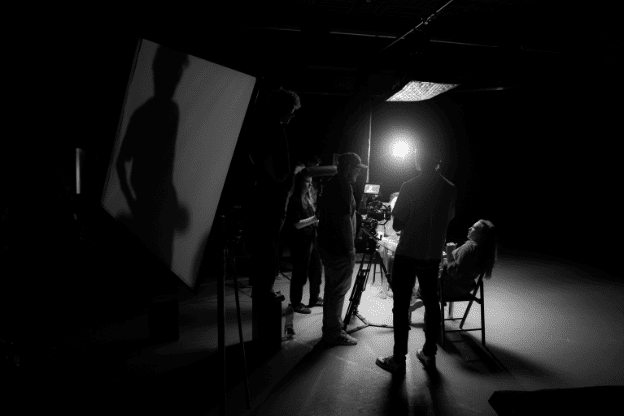
Career Scope in the OTT Era
The entertainment industry has changed dramatically over the past few years.
OTT platforms have increased demand for:
- Original Web Series
- Independent Films
- Digital Advertisements
- Mini Documentaries
- Podcasts
- Reality Shows
- Travel Shows
- Educational Videos
- Brand Content
As audiences continue consuming content across smartphones and streaming platforms, production companies require skilled professionals who understand modern filmmaking techniques.
This shift has created opportunities not only in major cities but also for freelancers and independent creators across India.
Learn from Industry Professionals
One of the biggest advantages of studying at Ravi Sarin Film Institute is the opportunity to learn from professionals who have practical experience in the entertainment industry.
The institute was founded by Mr. Ravi Sarin, a respected Bollywood Line Producer with more than 30 years of experience in the film industry and contributions to 250+ film projects.
- Film Production
- Production Planning
- Set Management
- Industry Workflow
- Team Coordination
- Professional Discipline
Learning from experienced mentors helps students understand how productions operate beyond textbooks
Industry-Oriented Courses Designed for Modern Careers
The entertainment industry has changed significantly over the last decade.
Today's professionals are expected to understand both traditional filmmaking and modern digital production.
- Acting
- Filmmaking
- Direction
- Cinematography
- Video Editing
- Photography
- Music Production
- Animation & VFX
- PR & Event Management
- Podcast Production
Each course is designed to combine creative development with practical industry skills.
Practical Learning Instead of Only Theory
The film industry is a practical profession.
Reading books about filmmaking is helpful, but real confidence develops when students work with cameras, lights, editing software, microphones, production equipment, and creative teams.
At RSFI, practical learning forms an essential part of the educational experience.
- Camera Practice
- Studio Shoots
- Scene Performances
- Editing Exercises
- Script Discussions
- Team Productions
- Creative Workshops
- Live Demonstrations
Hands-on learning helps students understand professional workflows while improving technical confidence.
Modern Infrastructure That Supports Creative Learning
A professional learning environment plays an important role in skill development.
Students benefit from facilities designed to support practical training in filmmaking and media production.s
- Practical Classrooms
- Camera Equipment
- Editing Labs
- Production Studios
- Photography Setups
- Podcast Studio
- Creative Practice Spaces
Learning in a professional environment allows students to become familiar with the tools commonly used in the media industry.
Who Can Join a Filmmaking Course?
One of the best things about filmmaking is that creativity has no age limit.
- Students after Class 12
- College graduates
- Working professionals looking for a career change
- Content creators
- YouTubers
- Photography enthusiasts
- Aspiring directors
- Future cinematographers
- Creative storytellers
If someone has a passion for visual storytelling and a willingness to learn, filmmaking can become a rewarding career path.
Student Life at RSFI
Learning filmmaking becomes more meaningful in an environment that encourages creativity and collaboration.
- Share ideas with classmates
- Participate in practical workshops
- Learn through team projects
- Explore different filmmaking techniques
- Practice with professional equipment
- Develop confidence through regular assignments
Every project becomes an opportunity to learn something new, whether it's directing a scene, operating a camera, or editing a sequence.
Why Choosing the Right Film School Can Shape Your Career
A film school is more than a place to attend classes. It is where students develop the confidence, skills, and practical experience that shape their future.
- Discover their strengths
- Improve their creativity
- Learn modern filmmaking techniques
- Build a professional portfolio
- Gain practical production experience
- Prepare for long-term career growth
Choosing wisely at the beginning can make a significant difference in the opportunities available after completing the course.
Career Opportunities After Completing a Filmmaking Course
The film industry today is much bigger than traditional cinema. With the rapid growth of OTT platforms, digital marketing, YouTube, social media, advertising, and corporate filmmaking, skilled professionals are in demand across multiple sectors.
A filmmaking course opens doors to many creative career paths. Whether your interest lies in directing, cinematography, editing, scriptwriting, or production management, there are opportunities to build a rewarding career.
Students who gain practical experience and create a strong portfolio during their training often have an advantage when starting their professional journey.

How RSFI Helps Students Build Industry-Ready Skills
At Ravi Sarin Film Institute (RSFI), learning is designed to bridge the gap between classroom education and the real entertainment industry.
The focus is on helping students become confident creators by encouraging them to participate in practical assignments and collaborative productions.
- Practical Camera Sessions
- Direction Exercises
- Editing Practice
- Team-Based Projects
- Creative Workshops
- Production Planning
This balanced approach helps students improve both their technical abilities and creative confidence.
FAQ (Frequently Asked Questions)
- 1. Is the Indian film industry a good career option?
- Yes. The Indian film industry offers opportunities across films, OTT platforms, television, advertising, podcasts, digital media, photography, animation, VFX, and content creation. As demand for quality content grows, skilled professionals are needed in many creative and technical roles.
- 2. Can I join the film industry after completing 12th?
- Absolutely. Many students begin their careers after Class 12 by enrolling in professional film and media courses that focus on practical learning and skill development.
- 3. Which course is best for entering the film industry?
- The right course depends on your interests. Popular options include Acting, Filmmaking, Direction, Cinematography, Video Editing, Photography, Music Production, Animation & VFX, and PR & Event Management.
- 4. Is a degree compulsory to work in films?
- Not always. Many employers and production houses value practical skills, creativity, experience, and a strong portfolio alongside formal education.
- 5. What skills are important for a successful film career?
- Creativity, communication, teamwork, technical knowledge, storytelling, discipline, leadership, confidence, and problem-solving are among the most valuable skills.
- 6. What careers are available besides acting?
- There are many options, including Director, Assistant Director, Cinematographer, Video Editor, Screenwriter, Production Manager, Line Producer, Photographer, Music Producer, Sound Designer, VFX Artist, Animator, and Digital Content Creator.
- 7. Why is practical training important?
- Practical learning helps students apply theoretical concepts, use professional equipment, work in teams, and build portfolios that reflect real-world skills.
- 8. What makes Ravi Sarin Film Institute (RSFI) different?
- RSFI emphasizes industry-oriented learning through practical training, experienced mentors, modern infrastructure, creative workshops, portfolio development, and guidance inspired by real industry experience.
Conclusion
The Indian film industry offers exciting possibilities for individuals who are passionate about storytelling, creativity, and visual communication. Whether your dream is to become an actor, director, cinematographer, editor, photographer, music producer, or media professional, the industry continues to expand with opportunities across cinema, OTT platforms, digital media, and content creation.
The journey begins with learning the right skills, gaining practical experience, and building confidence through hands-on projects. Choosing a professional institute that focuses on industry-oriented education can make a meaningful difference in preparing for these opportunities.