Best Film Schools in India Compared – Complete Guide to Choosing the Right Film School
The Indian film industry has grown far beyond traditional cinema. Today, opportunities exist in Bollywood, OTT platforms, YouTube productions, advertising agencies, music videos, documentaries, web series, digital content creation, corporate filmmaking, and independent cinema.
As the entertainment industry expands, the demand for skilled filmmakers continues to rise. However, becoming a successful filmmaker requires much more than passion. It demands practical knowledge, technical expertise, creativity, teamwork, and real production experience. best film schools in India
Many students search online for the best film schools in India, but often get confused because every institute claims to be the best. Instead of focusing only on advertisements or rankings, students should compare film schools based on practical learning, industry exposure, faculty experience, infrastructure, live projects, and career opportunities.
Why Choosing the Right Film School Matters
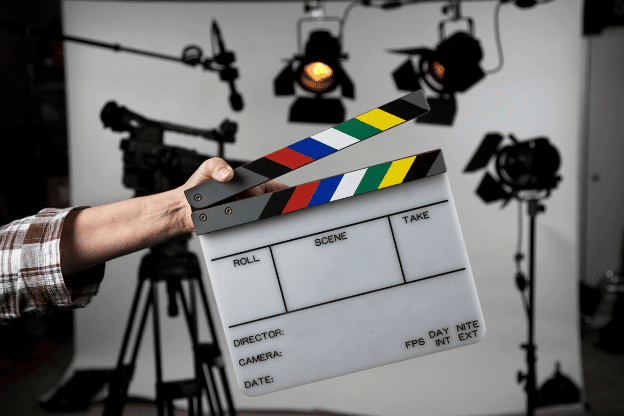
Every year, thousands of students dream of becoming directors, cinematographers, editors, screenwriters, producers, and creative professionals. But only those with the right skills and hands-on experience stand out.A good film school doesn't just teach filmmaking it helps students understand how the real industry works.
- Storytelling
- Script Writing
- Camera Handling
- Lighting Techniques
- Film Direction
- Sound Recording
- Video Editing
- Production Management
- Team Collaboration
- Film Marketing
- OTT Content Production
Learning these skills only through books isn't enough. They need to be experienced on actual production sets.
Practical Learning vs Classroom Learning
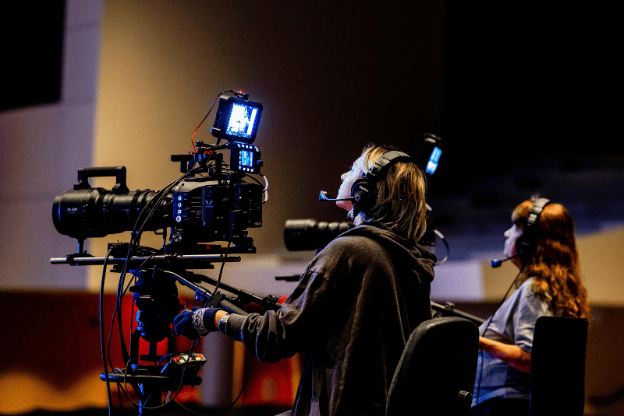
One of the biggest mistakes students make is choosing a film school that focuses only on theoretical education.
- Filmmaking is a practical art.
- You cannot master directing by reading books alone.
- You cannot become a cinematographer by only watching presentations.
- You cannot become an editor without spending hours editing actual footage.
- Every successful filmmaker learns through practice.
That is why practical training should always be your first priority while selecting a film school.
Classroom Learning
- Film Theory
- Cinema History
- Story Structure
- Production Planning
- Script Formats
- Camera Operation
- Lighting Setup
- Sound Recording
- Editing Software
- Film Production
- Working Under Deadlines
- Managing Real Shoots
Why Live Projects Matter So Much
Imagine two students graduating on the same day.
Student A has only classroom knowledge.
Student B has worked on:
- Short Films
- Commercial Shoots
- Music Videos
- Documentary Projects
- Web Series
- Interview Shoots
- Production Sets
Who do you think has a stronger portfolio?
Obviously, Student B.
- Build confidence
- Understand teamwork
- Solve real production challenges
- Learn time management
- Develop communication skills
- Build an impressive portfolio
- Prepare for industry expectations
Industry Exposure The Bridge Between Learning and Career
The transition from a classroom to the professional film industry can be challenging without practical exposure.
- Directors
- Assistant Directors
- Camera Crew
- Lighting Team
- Editors
- Sound Engineers
- Production Managers
Instead of feeling nervous during their first professional project, students already understand how a production set functions.
Why RSFI Focuses on Practical Industry Learning
At Ravi Sarin Film Institute (RSFI), learning goes beyond traditional classroom teaching.
Students receive opportunities to participate in practical filmmaking activities designed to build real-world confidence and technical skills.
One of the biggest advantages of learning at RSFI is the emphasis on live production experience. Students don't just study filmmaking—they actively participate in projects where they understand how professional productions are planned, executed, and completed.
- Short Film Productions
- Camera Practical Sessions
- Direction Workshops
- Cinematography Exercises
- Film Editing Practice
- Production Planning
- Creative Team Projects
- Industry-Based Assignments
Working on these practical projects helps students strengthen their portfolios while developing teamwork, communication, creativity, and problem-solving skills that are essential in the entertainment industry.
Why Practical Experience Creates Better Filmmakers
A filmmaker is not judged only by certificates.
- Their portfolio
- Their creativity
- Their technical understanding
- Their teamwork
- Their confidence on set
- Their problem-solving ability
That is why students should always choose a film school that encourages hands-on learning rather than limiting education to classroom lectures.
How to Compare Film Schools Like a Smart Student
Choosing a film school is not just about selecting a campus or course. It is about investing in your future career. A good institute helps you learn filmmaking, while the right institute helps you become a filmmaker.
Before taking admission, don't just ask about the fees. Ask questions that will help you understand the quality of education and practical exposure.
- Will I get practical training every week?
- What kind of cameras and equipment are available?
- Will I create my own portfolio before completing the course?
- Are there workshops by industry professionals?
- Will I get guidance for my career after completing the course?
The answers to these questions will tell you much more than any advertisement ever can.
Infrastructure That Supports Creative Learning
A filmmaker learns best in an environment that encourages creativity and experimentation. Modern infrastructure plays a major role in developing technical and artistic skills.
A well-equipped film school should provide students with spaces where they can write, shoot, edit, rehearse, and collaborate.
- Professional Classrooms
- Camera Practice Area
- Film Editing Lab
- Sound Recording Setup
- Lighting Equipment
- Green Screen Studio
- Screening Room
- Photography Studio
- Production Equipment
- Creative Discussion Spaces
Good infrastructure helps students transform ideas into visual stories.
Professional Equipment Makes a Difference
Every aspiring filmmaker dreams of working with professional cameras, lighting setups, microphones, and editing software.
- Cinema Cameras
- DSLR & Mirrorless Cameras
- Professional Lenses
- Tripods & Gimbals
- Studio Lighting
- LED Panels
- Boom Microphones
- Wireless Audio Systems
- Editing Workstations
The more familiar students become with professional tools during training, the more confident they feel when entering the industry.
Teamwork Is the Heart of Filmmaking
A single project often involves directors, cinematographers, editors, writers, actors,
sound engineers, production managers, and assistants working together.
.
- Leadership Skills
- Communication Skills
- Time Management
- Creative Thinking
- Problem Solving
- Project Planning
- Professional Discipline
These qualities remain valuable throughout their careers.

Why a Strong Portfolio Matters
When students apply for internships, freelance projects, or jobs, employers often want to see what they have created—not just the certificate they have earned.
If you're searching for the best film school in India, practical learning should be your top priority. At RSFI, students gain hands-on experience through live projects, professional filmmaking workshops, and industry-oriented training. Explore our best film school in India and start your journey toward a successful career in filmmaking.
- Short Films
- Editing Projects
- Camera Work
- Screenplays
- Documentary Clips
- Photography
A well-developed portfolio demonstrates practical skills, creativity, and dedication.
Building Confidence Through Real Projects
Confidence doesn't come from reading about filmmaking—it comes from creating films.
- Planning a shoot
- Managing time
- Solving unexpected challenges
- Working under deadlines
- Work with your crew
- Meet deadlines
- Produce high-quality work
This practical experience will help students adapt to the rapid pace of the film industry.
Why Students Choose RSFI
Choosing a film school is about finding an environment where creativity meets practical learning.
At Ravi Sarin Film Institute (RSFI), students are encouraged to go beyond classroom learning and actively participate in filmmaking.
- Live Project Experience
- Industry-Oriented Learning
- Creative Environment
- Portfolio Development
Throughout the course, students create practical assignments and projects that can become part of their professional portfolio.
Skills Every Future Filmmaker Should Develop
Success in filmmaking depends on continuous learning and practice. Apart from technical knowledge, students should focus on developing:
- Storytelling Ability
- Creative Thinking
- Visual Communication
- Camera Understanding
- Editing Skills
- Teamwork
- Leadership
- Adaptability
Why Practical Experience Is the Biggest Advantage for Every Film Student
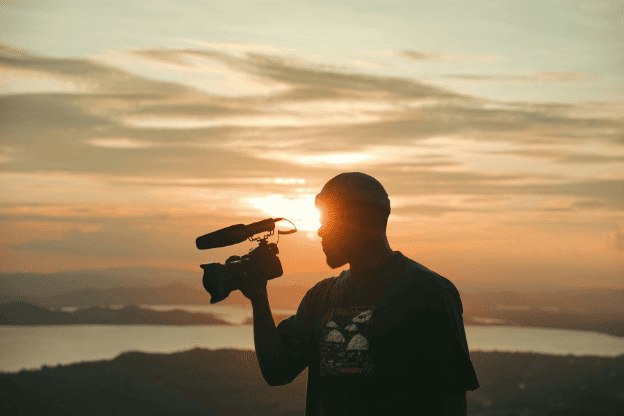
Anyone can watch filmmaking tutorials online or read books about cinema, but standing behind a camera, directing actors, managing a production schedule, or solving problems on a live shoot teaches lessons that no classroom alone can provide.
This is why students should choose a film school that focuses on learning by doing.
- Build confidence
- Understand professional workflows
- Improve technical skills
- Learn teamwork
- Handle real production challenges
The earlier students gain practical experience, the easier it becomes to step into the professional world.
Why RSFI Gives Students a Real Learning Experience
At Ravi Sarin Film Institute (RSFI), filmmaking is not limited to classroom lectures. The learning approach is built around practical training so that students can understand how the film industry actually works.
From the beginning of the course, students are encouraged to participate in activities that simulate professional production environments. They work in teams, plan shoots, operate cameras, edit footage, and understand the complete filmmaking process from concept to final output.
- Story Development
- Screenwriting
- Pre-Production
- Production
- Post-Production
- Presentation
Learning how to present projects professionally and build a strong showreel or portfolio.
Student Learning Journey at RSFI
Every student progresses step by step.
- Beginning Stage
- Intermediate Stage
- Advanced Stage
- Feature Film
- Lead Actor
This gradual learning process helps students gain confidence while continuously improving their creative abilities.
Live Projects – Turning Knowledge into Experience
One of the biggest advantages of studying at RSFI is the opportunity to participate in project-based learning.
Students may get opportunities to work on practical productions such as:
- Short Films
- Music Videos
- Documentary Exercises
- Interview Productions
- Promotional Videos
- Creative Storytelling Projects
- Camera Practice Sessions
Working on these projects helps students understand how different departments come together to create a complete production.

Building a Professional Portfolio
A strong portfolio may include:
- Short Films
- Cinematography Samples
- Editing Projects
- Screenplays
- Photography
- Documentary Clips
- Behind-the-Scenes Work
- Showreel
Students who consistently work on projects throughout their course graduate with valuable creative work that reflects their growth.
Who Can Join a Filmmaking Course?
One of the best things about filmmaking is that creativity has no age limit.
- Students after Class 12
- College graduates
- Working professionals looking for a career change
- Content creators
- YouTubers
- Photography enthusiasts
- Aspiring directors
- Future cinematographers
- Creative storytellers
If someone has a passion for visual storytelling and a willingness to learn, filmmaking can become a rewarding career path.
Student Life at RSFI
Learning filmmaking becomes more meaningful in an environment that encourages creativity and collaboration.
- Share ideas with classmates
- Participate in practical workshops
- Learn through team projects
- Explore different filmmaking techniques
- Practice with professional equipment
- Develop confidence through regular assignments
Every project becomes an opportunity to learn something new, whether it's directing a scene, operating a camera, or editing a sequence.
Why Choosing the Right Film School Can Shape Your Career
A film school is more than a place to attend classes. It is where students develop the confidence, skills, and practical experience that shape their future.
- Discover their strengths
- Improve their creativity
- Learn modern filmmaking techniques
- Build a professional portfolio
- Gain practical production experience
- Prepare for long-term career growth
Choosing wisely at the beginning can make a significant difference in the opportunities available after completing the course.
Career Opportunities After Completing a Filmmaking Course
The film industry today is much bigger than traditional cinema. With the rapid growth of OTT platforms, digital marketing, YouTube, social media, advertising, and corporate filmmaking, skilled professionals are in demand across multiple sectors.
A filmmaking course opens doors to many creative career paths. Whether your interest lies in directing, cinematography, editing, scriptwriting, or production management, there are opportunities to build a rewarding career.
Students who gain practical experience and create a strong portfolio during their training often have an advantage when starting their professional journey.
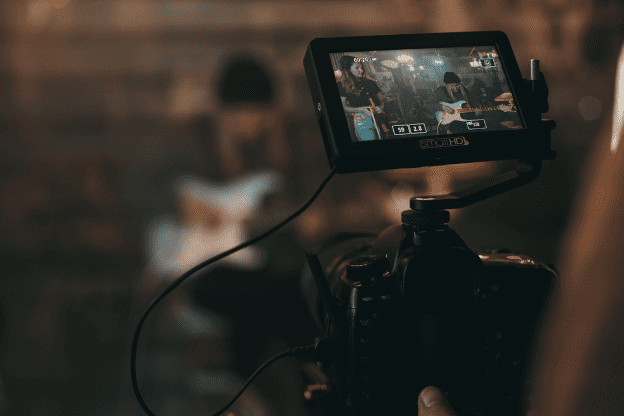
How RSFI Helps Students Build Industry-Ready Skills
At Ravi Sarin Film Institute (RSFI), learning is designed to bridge the gap between classroom education and the real entertainment industry.
The focus is on helping students become confident creators by encouraging them to participate in practical assignments and collaborative productions.
- Practical Camera Sessions
- Direction Exercises
- Editing Practice
- Team-Based Projects
- Creative Workshops
- Production Planning
This balanced approach helps students improve both their technical abilities and creative confidence.
FAQ (Frequently Asked Questions)
- 1. How do I choose the best film school in India?
- Yes. You can start your acting career immediately after Class 12. Many successful actors began their journey at a young age by joining professional acting courses, attending auditions, and continuously improving their skills. Starting early gives you more time to gain experience and build a strong portfolio.
- 2. Is practical training important in filmmaking?
- A practical acting course that includes camera acting, theatre training, dialogue delivery, voice modulation, personality development, and audition preparation is ideal. Choose an institute that offers hands-on learning and industry exposure rather than only classroom theory.
- 3. Can I join a filmmaking course after 12th?
- No. While higher education can be valuable, it is not mandatory for an acting career. The entertainment industry values talent, dedication, training, and performance more than academic qualifications.
- 4. What skills are required to become a filmmaker?
- Yes. The Indian entertainment industry has expanded significantly with Bollywood, regional cinema, television, OTT platforms, advertising, and digital content. This growth has created many opportunities for trained actors.
- 5. Does RSFI provide practical learning?
- There is no fixed timeline. Some actors receive opportunities within a few months, while others take several years to establish themselves. Success depends on continuous learning, regular auditions, networking, and dedication.
- 6. What career options are available after completing a filmmaking course?
- Absolutely. Most beginner-friendly acting courses are designed for students with little or no prior experience. Professional training helps you learn the fundamentals and gradually build confidence.
- 7. Why is a portfolio important for filmmakers?
- A portfolio demonstrates practical skills and creative work, helping students showcase their abilities when applying for projects or professional opportunities.
- 8. What should I compare before taking admission?
- Compare practical training, live projects, faculty experience, infrastructure, equipment, curriculum, and portfolio development opportunities.
Conclusion
Finding the best film school in India isn't about choosing the biggest name—it's about choosing the place where you'll learn, practice, create, and grow.
A quality film school should help you move beyond theory and give you opportunities to work on real projects, collaborate with creative teams, and develop the confidence needed in the entertainment industry.
At Ravi Sarin Film Institute (RSFI), students experience a learning environment that combines practical training with creative exploration. From camera handling and direction to editing and production planning, the focus remains on helping students build industry-ready skills and a strong portfolio through hands-on learning.